The Dominican Republic Reports Fewer Diseases in 2026

The Dominican Republic has reported a promising decline in certain infectious diseases early in the year, particularly leptospirosis.
This trend suggests improved public health measures and a potentially safer environment for residents and travelers during Spring Break 2026.
According to the Ministry of Public Health's epidemiological surveillance data published on February 19, 2026, confirmed leptospirosis cases showed a clear downward trend during the first five weeks of 2026 compared to the same period in 2025.
There were 17 confirmed cases of leptospirosis in 2026, down from 28 in the equivalent timeframe in 2025.
Leptospirosis remains a concern for the 11 million expected travelers to the Dominican Republic, as it can be contracted through contact with water or soil contaminated by animal urine, especially in rural or flood-prone areas.
This positive trend highlights the effectiveness of intensified efforts by the Ministry of Public Health and Provincial Health Directorates to limit transmission, reduce complications, and prevent fatalities from the disease. Authorities have enhanced active surveillance for febrile illnesses, expanded sample collection, and ensured prompt reporting.
The 2026 data suggest that these proactive measures are helping reduce the number of cases.
Other priority diseases under surveillance also showed favorable trends in 2026.
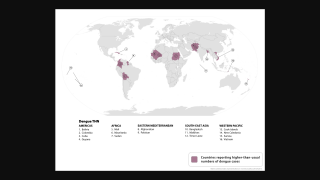
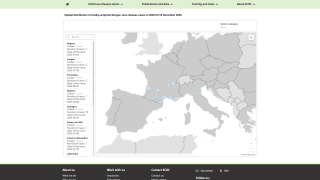
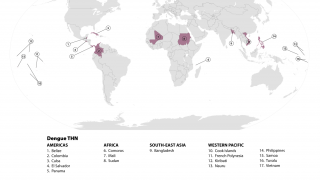
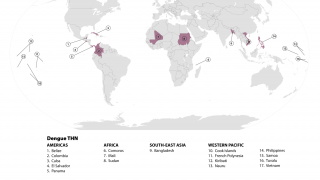
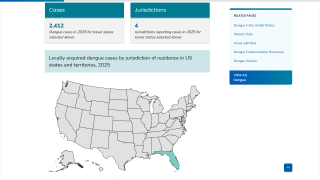
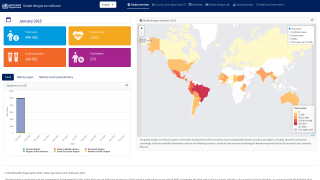
The number of mosquitoes transmitted Dengue fever cases remained low, with 6 reported, for a cumulative total of 30 cases year-to-date. The provinces with the highest Dengue incidence included Valverde, Elías Piña, La Altagracia, Duarte, San Juan, and Monte Cristi.
Additionally, 17 Malaria cases have been recorded for 2026, primarily concentrated in Guayabal and San Juan.
Furthermore, respiratory virus activity has also trended downward at the start of the year.
However, there is still some circulation of respiratory syncytial virus and influenza, including the A(H3N2) subtype, indicating a prolonged respiratory season with co-circulation of multiple agents and varying peaks.
While the data reflect only the early part of the year, the decline in leptospirosis and the stability of other vector-borne and infectious diseases offer encouraging signs for public health in the Dominican Republic.
According to the U.S. Centers for Disease Control and Prevention (CDC), travelers to the DR are still advised to follow standard precautions, such as avoiding untreated freshwater exposure and using insect repellent.
The CDC also advises staying informed about travel vaccine options.
Our Trust Standards: Medical Advisory Committee