Promising Hookworm Vaccine Candidate Reduces Infection Intensity

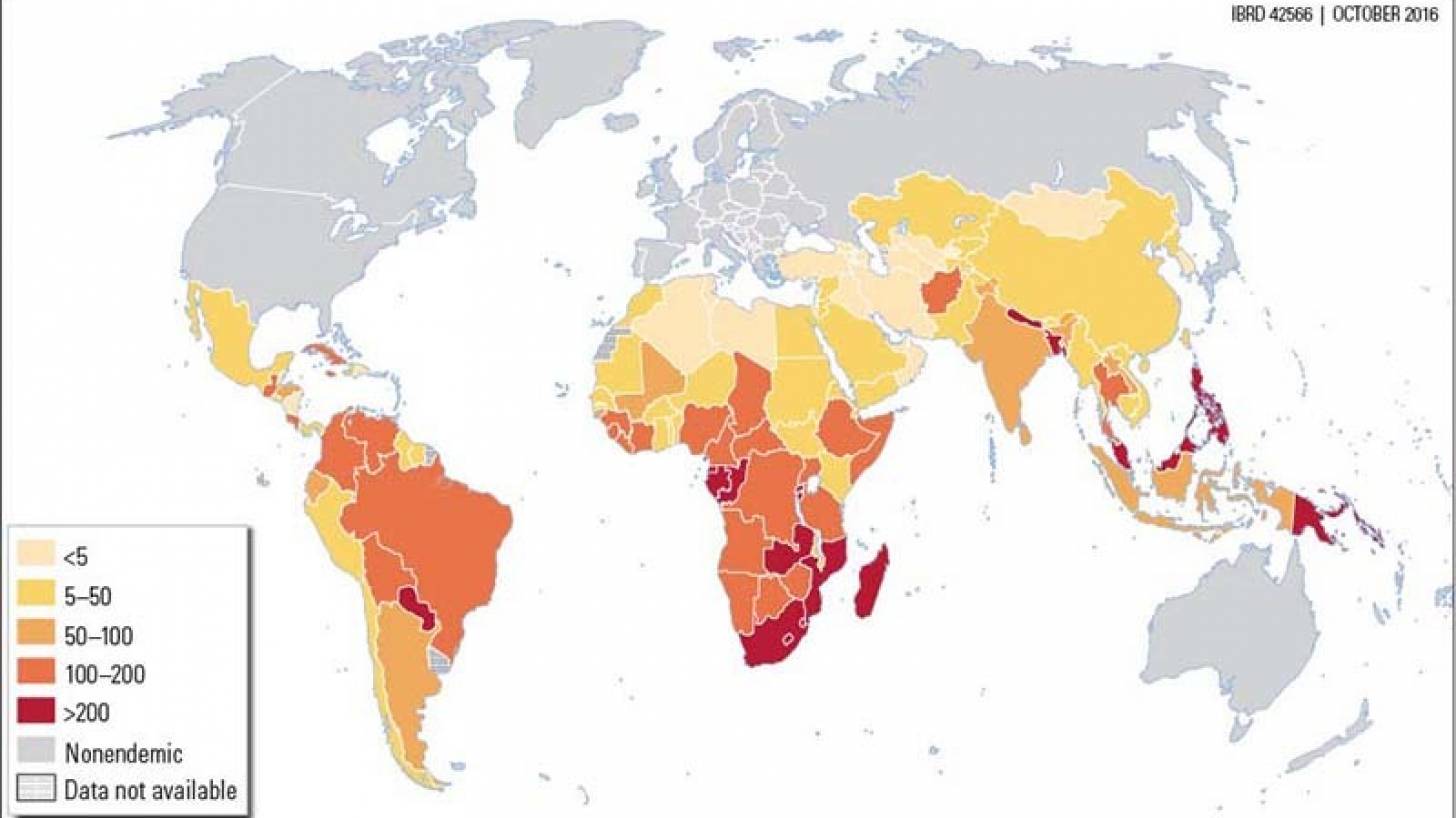
An experimental vaccine targeting a key enzyme that enables hookworms to digest human blood has demonstrated encouraging efficacy in a study involving human infections.
This development could significantly advance the fight against a parasitic disease affecting hundreds of millions of people worldwide.
In the United States, historical data indicate that southeastern states, including Alabama, rural parts of Georgia, Mississippi, Louisiana, Kentucky, and coastal South Carolina, have the greatest risk of hookworm transmission.
The vaccine candidate is based on recombinant Necator americanus glutathione S-transferase-1 (Na-GST-1) adsorbed on Alhydrogel. Na-GST-1 plays a critical role in hookworm blood feeding, making it a prime target for vaccine development.
Results from a double-masked, randomized, placebo-controlled Phase 2 trial, conducted at The George Washington University, were published in The Lancet Infectious Diseases on March 17, 2026. The study tested three formulations of the Na-GST-1 vaccine: Na-GST-1/Al alone, Na-GST-1/Al combined with the TLR9 agonist CpG 10104 (Na-GST-1/Al–CpG), and Na-GST-1/Al combined with the TLR4 agonist AP 10-701 (Na-GST-1/Al–AP), compared against a placebo.
At the end of the study period (starting on day 280), participants who developed an infection were treated with three consecutive daily oral doses of 400 mg albendazole to clear the parasites. Three subsequent negative fecal examinations confirmed the clearance of the infection.
The trial protocol specified the use of albendazole to treat established infections following the Controlled Human Hookworm Infection challenge; ivermectin was not used in this study.
In the per-protocol efficacy analysis of 31 participants, the Na-GST-1/Al–CpG group exhibited the lowest incidence of infection (40%), compared with the placebo group (4 out of 7, or 57%), the Na-GST-1/Al group (56%), and the Na-GST-1/Al–AP group (60%).
Although the differences in incidence were not statistically significant, the infection intensity was significantly reduced in the CpG-adjuvanted group. Maximum fecal hookworm egg counts were significantly lower in the Na-GST-1/Al–CpG group (median of 0.0 eggs per gram) compared to the placebo group (median of 66.7 eggs per gram).
Peak eosinophil counts, a marker of parasitic infection, were also significantly lower in the Na-GST-1/Al–CpG group (median of 0.6 × 10³ cells/μL) compared to the placebo group (median of 3.1 × 10³ cells/μL). Vaccine-induced anti-Na-GST-1 IgG antibody responses were highest in the Na-GST-1/Al–CpG arm, suggesting a potential humoral immune correlate of protection.
The vaccine candidate was well-tolerated and safe across all groups, with no serious adverse events and mostly mild side effects. All infections were successfully cleared with albendazole treatment.
"Based on the protection observed against infection, Na-GST-1/Al–CpG has been selected for further clinical testing," the authors concluded. The higher levels of anti-Na-GST-1 IgG in the protected group support the idea that strong antibody responses may help reduce the parasite burden.
Researchers indicated that Na-GST-1/Al–CpG may advance as a standalone vaccine or in combination with other antigens.
Current control strategies significantly rely on mass drug administration (MDA) using anthelmintics. Albendazole serves as the standard treatment in this trial and in many programs. However, ivermectin shows limited efficacy against hookworms when used alone.
In contrast, combining ivermectin with albendazole led to a substantial 78.99% reduction in prevalence.
Albendazole (400 mg) is the preferred, highly effective, single-dose, oral treatment for hookworm infection as recommended by the U.S. CDC.
This advancement represents a significant step forward in the long quest for a hookworm vaccine, potentially bringing relief to more than 400 million people at risk of this neglected tropical disease.
Our Trust Standards: Medical Advisory Committee