Check Your Government's Advice Before Traveling Abroad in 2026

As international travel resumes and summer getaways approach, the UK's Foreign, Commonwealth & Development Office (FCDO) is reminding vacationers to prioritize their safety by reviewing travel advice before embarking on any overseas trips in 2026.
As of March 19, 2026, the FCDO provides detailed and up-to-date guidance on safety and security risks, entry requirements, health concerns, and legal distinctions for over 200 countries and territories. Travelers are strongly encouraged to consult the relevant country page on the official GOV.UK website, as situations can change rapidly.
"If the FCDO determines that the risk is unacceptably high, they will issue formal warnings advising against 'all but essential travel' or, in the most severe cases, 'all travel' to a country or specific regions," the FCDO explains on its website.
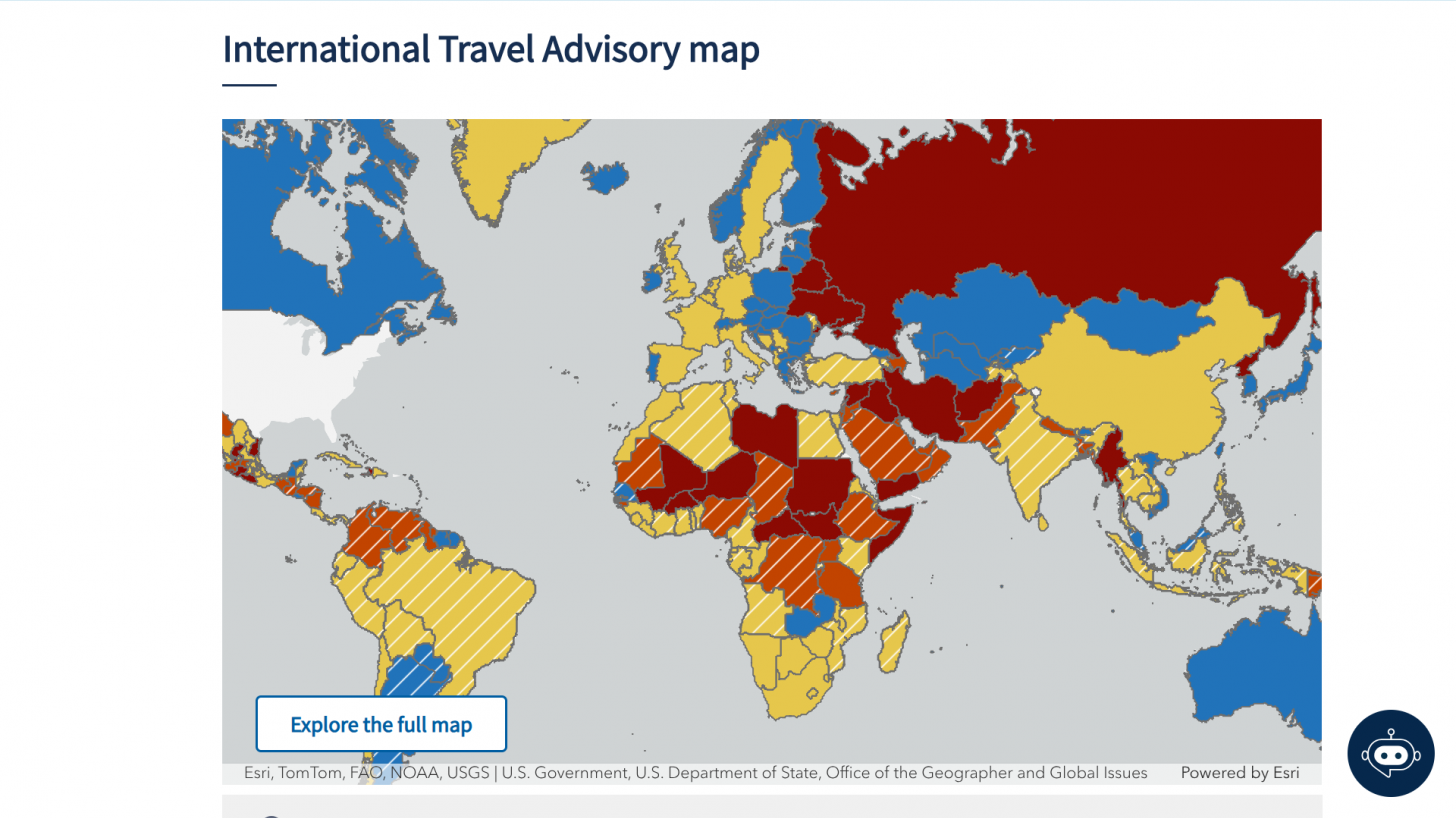
Recent examples include advice against all travel to Iraq and certain areas of Lebanon. In contrast, warnings for "all but essential travel" apply to the United Arab Emirates, Kuwait, Qatar, Bahrain, and various regions in countries such as Mexico, Nigeria, India, and Thailand.
In some instances, such as in the Gulf states, warnings are issued due to regional escalations and risks of missile or drone attacks. These warnings prompt British nationals already in those areas to shelter in place and register their presence with the FCDO.
The FCDO has reiterated an important reminder: traveling against their advice can invalidate your travel insurance. Many policies explicitly state that coverage may be voided if you travel to areas where the government advises against non-essential or all travel.
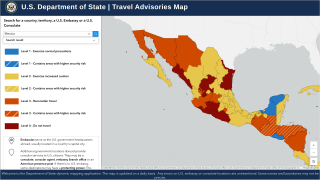
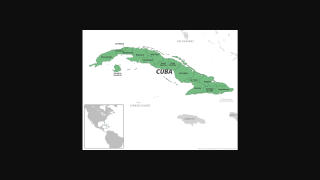
Furthermore, when Americans depart from the United States, the State Department publishes numerious alerts for high-risk areas, such as Venezuela.
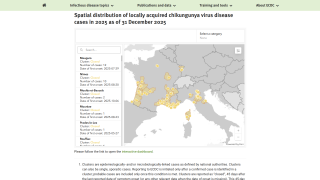
Separately, the U.S. CDC publishes Travel Health Advice to inform travelers about global health risks during outbreaks, special events or gatherings, and natural disasters.
A travel health notice can be issued for: 1) a disease outbreak with a higher number of expected cases in a country or region; 2) sporadic cases of a disease in an unusual or new geographic location; 3) natural and human-made disasters that pose severe environmental health risks or cause infrastructure damage that limits healthcare services; and 4) mass gathering events that can lead to disease outbreaks.
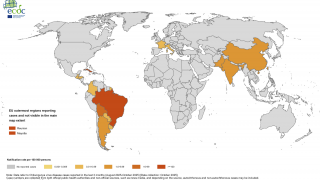
Recent notices focused on yellow fever, chikungunya, and poliovirus alerts.
They also provide advice on protective measures, such as vaccinations, that travelers can take to prevent infection or adverse health effects when visiting disease-outbreak areas in 2026.
Our Trust Standards: Medical Advisory Committee