Change That Order For Clams or Oysters

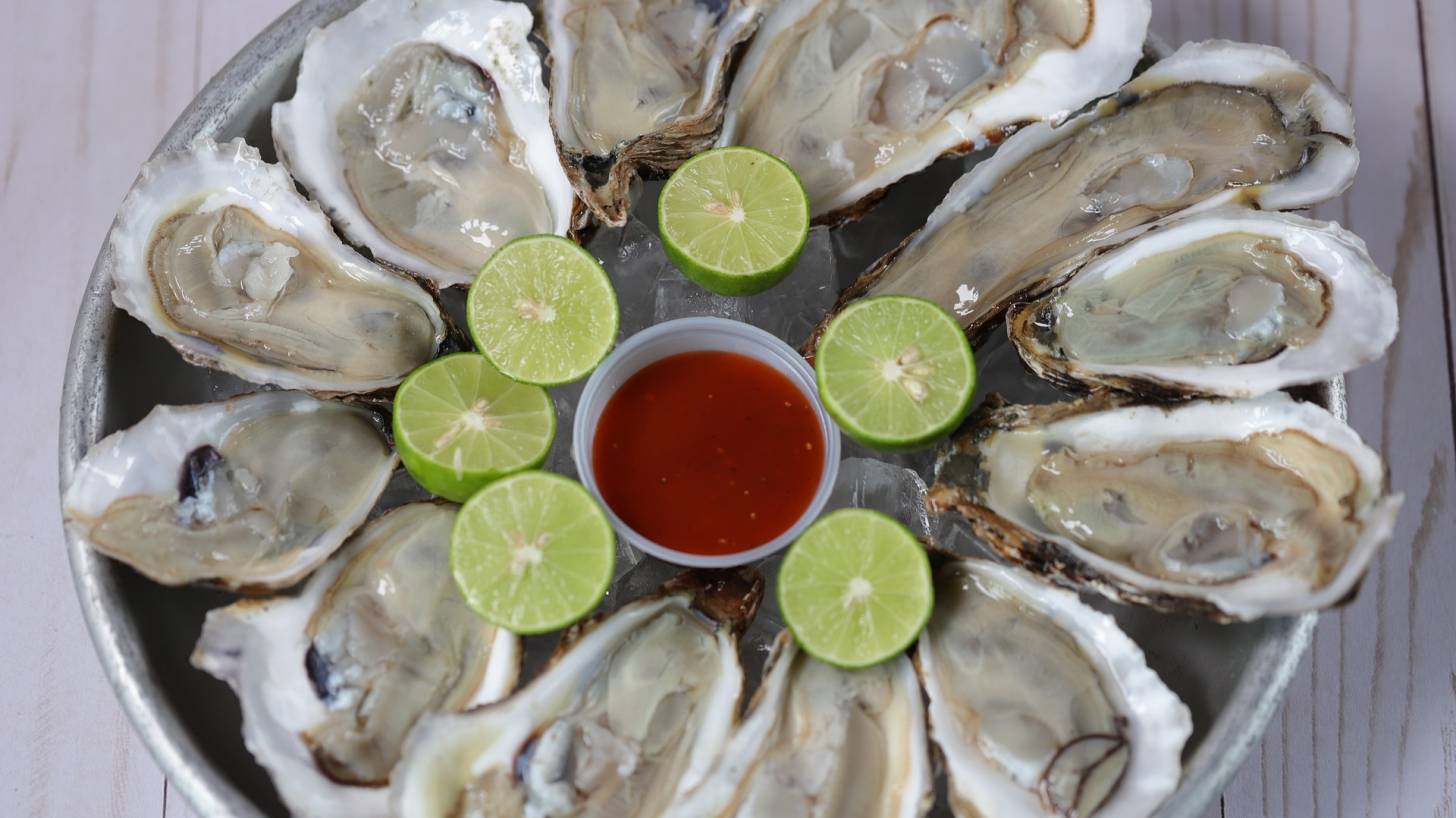
Attention, seafood lovers: The U.S. Food and Drug Administration (FDA) has issued a safety alert that may change what you're ordering during spring break. The FDA is advising consumers, restaurants, and retailers in certain states to avoid eating or serving certain raw oysters and Manila clams.
On March 9, 2026, the FDA announced that these products may be contaminated with norovirus, a highly contagious virus that can cause severe gastrointestinal illness. Although the illness is typically self-limiting, it can be more severe for individuals with weakened immune systems.
This FDA advisory follows a report from the Washington Department of Health dated March 4, 2026, which linked an outbreak of norovirus-like illness to the consumption of raw oysters.
The affected shellfish include:
- Raw oysters harvested by Drayton Harbor Oyster Company (license WA-1723-SS),
- Manila clams harvested by the Lummi Indian Business Council (license WA-0098-SS).
Both types of shellfish were harvested between February 13 and March 3, 2026, from the Drayton Harbor growing area in Whatcom County, near the Canadian border. The FDA advises that if you have purchased or consumed these raw oysters or Manila clams, you should not eat them.
Norovirus is a common cause of gastrointestinal outbreaks on cruise ships due to close quarters and shared facilities.
The U.S. CDC's Vessel Sanitation Program reported a surge in such outbreaks onboard cruise ships in recent years, with 22 outbreaks in 2025—an increase of 22% from previous periods. Many of those were confirmed as norovirus, marking a record high compared to 18 outbreaks in 2024 and 14 in 2023.
In early 2026, there had already been cases linked to a Holland America Line Rotterdam voyage that took place from December 28, 2025, to January 9, 2026, sickening nearly 90 individuals (81 passengers and 8 crew members) with diarrhea and vomiting.
Currently, there is no approved vaccine for norovirus anywhere in the world, despite ongoing efforts to develop one. The high genetic diversity of the virus makes it difficult to create a broadly effective vaccine.
This FDA alert underscores the ongoing risks associated with consuming raw or undercooked shellfish, which can harbor pathogens even in seemingly pristine waters.
Our Trust Standards: Medical Advisory Committee
-
Fact checked by Robert Carlson, MD