Norovirus Outbreaks Onboard Cruise Ships Surged 22%
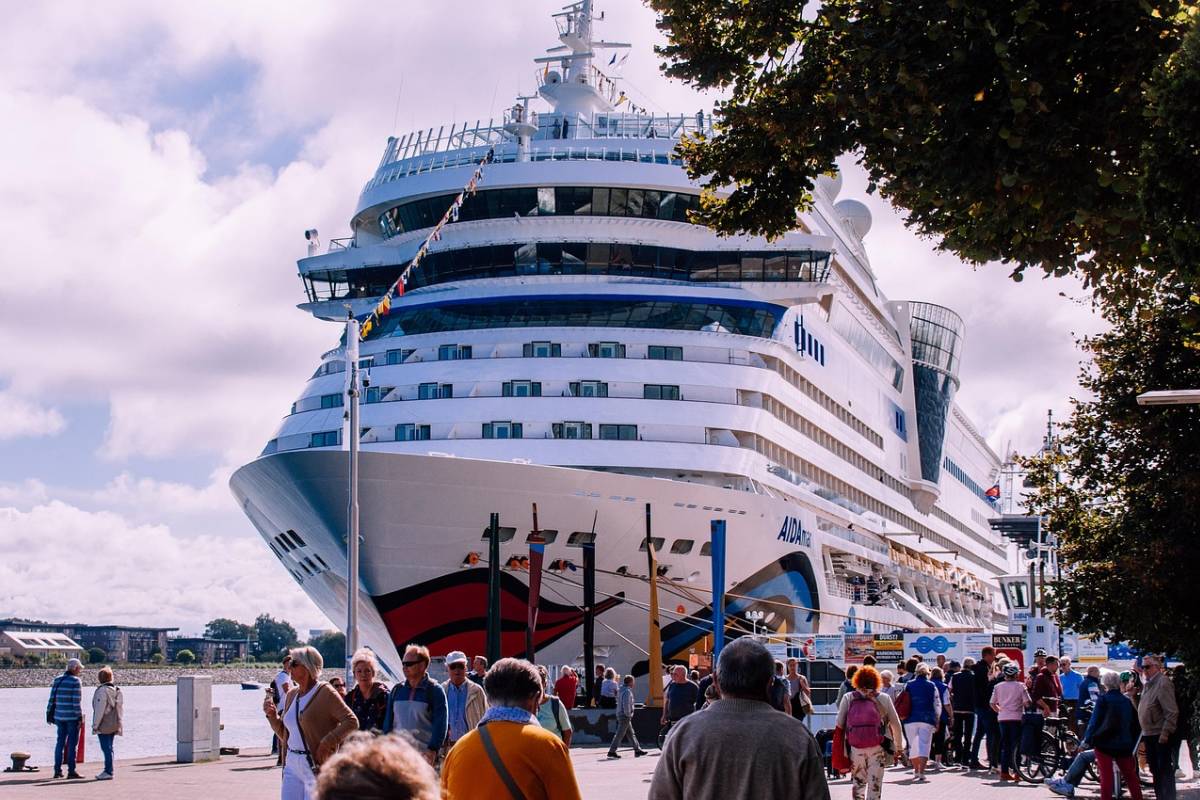
In a concerning trend for the cruise ship industry, 2025 saw a record number of norovirus outbreaks, with 22 incidents reported, up from 18 the previous year. This represents a 22% increase in cases.
This increase underscores ongoing challenges in maintaining hygiene standards aboard ships that host thousands of passengers in close quarters.
Data from the U.S. Centers for Disease Control and Prevention (CDC), posted as of January 6, 2026, indicate that norovirus was the leading cause of outbreaks in 2025, with other agents such as Salmonella and E. coli identified in only a few instances.
The CDC highlighted notable cases, including multiple incidents on Holland America Line ships such as the Rotterdam and Zuiderdam in December, as well as outbreaks on Princess Cruises' Ruby Princess and Coral Princess.
Norovirus, a highly contagious virus, causes severe gastrointestinal symptoms such as vomiting, diarrhea, and stomach cramps. It is the leading cause of acute gastroenteritis outbreaks worldwide.
While it is rarely fatal, and similar to traveler's diarrhea, norovirus can ruin vacations and lead to itinerary changes or early returns to port. On cruise ships, where passengers share dining areas, pools, and entertainment venues, the virus can spread rapidly if not contained.
The CDC's Vessel Sanitation Program (VSP) monitors these outbreaks, defining an outbreak as illness affecting at least 3% of passengers or crew on voyages lasting 2 to 21 days that call on U.S. ports.
In response to these outbreaks, cruise lines have implemented enhanced VSP protocols, including more frequent sanitization, passenger health screenings, and onboard medical teams. These companies have emphasized their commitment to CDC guidelines, noting that most voyages proceed without incident. As 2026 begins, industry observers hope that improved vaccines and surveillance will help curb future surges.
From a disease prevention perspective, as of early 2026, no norovirus vaccine has been approved or licensed for use anywhere in the world.
The CDC says norovirus's genetic diversity complicates the development of broad protection by vaccines. However, progress is encouraging, particularly with mucosal candidates, but widespread availability is likely several years away.
For now, the spike in 2025 serves as a reminder that vigilance against invisible threats is essential, even on the high seas.
Our Trust Standards: Medical Advisory Committee