Zika Outbreak Started Ten Years Ago, What Have We Learned

This February marks ten years since the Zika outbreak was declared a Public Health Emergency of International Concern.
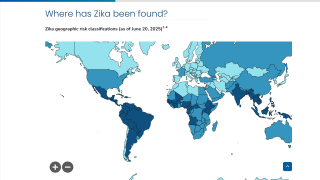
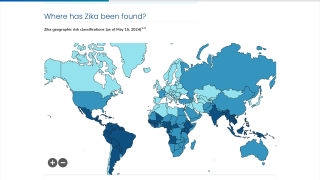
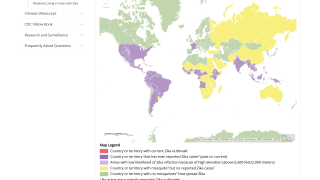
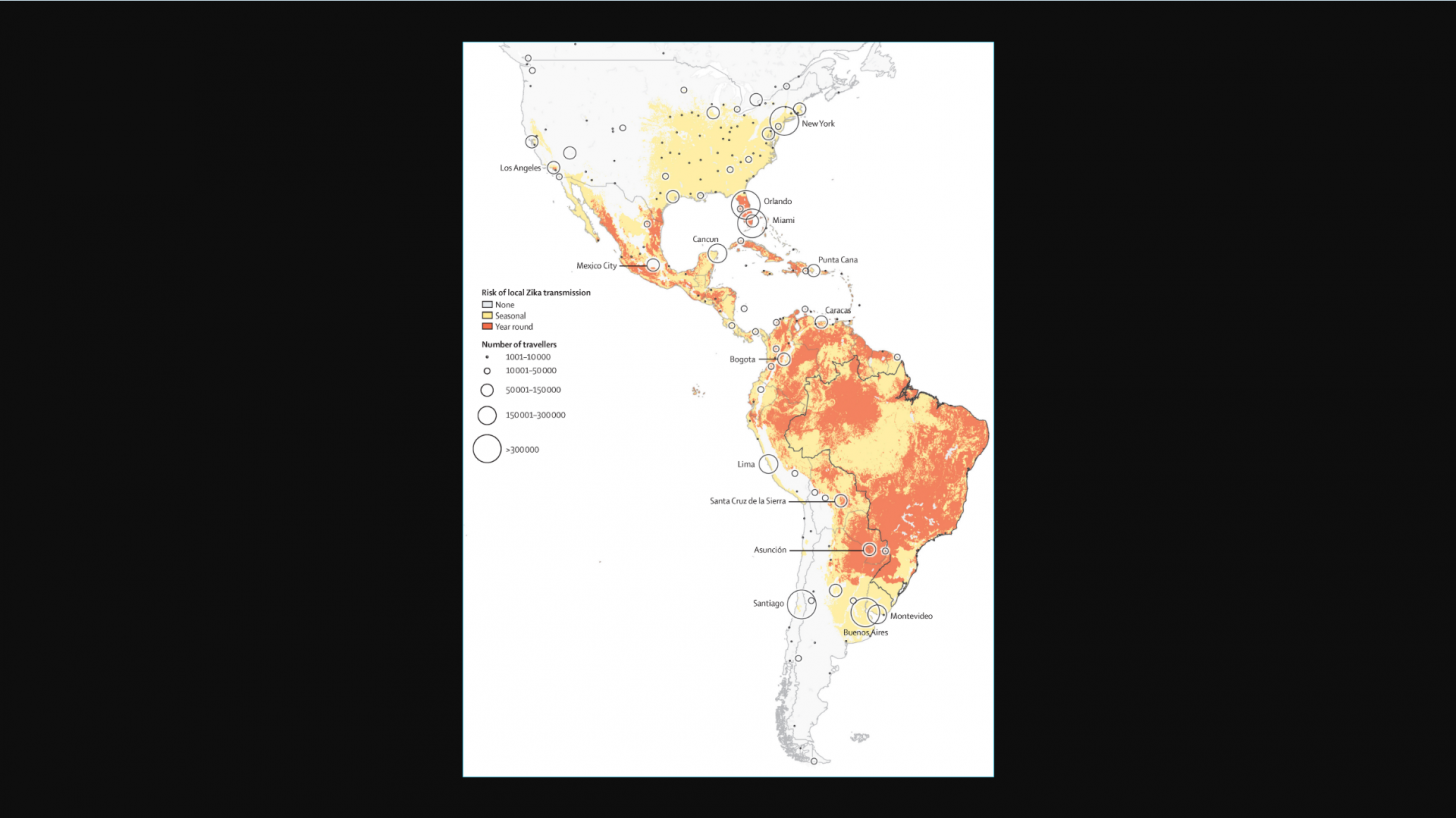
As of January 2026, the Zika virus continues to pose a significant threat in many regions, particularly in the Americas. Diseases like Zika are detected mainly through passive surveillance systems and are often misdiagnosed as chikungunya or dengue fever.
So far this year, the Pan American Health Organization (PAHO) has reported suspected Zika cases in Argentina (45 cases) and Bolivia (58 cases).
In 2025, Brazil unfortunately reported the highest number in the region with 1,849 confirmed Zika cases.
Even Mexico confirmed four Zika cases in 2025.
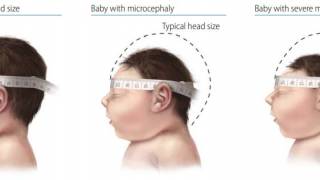
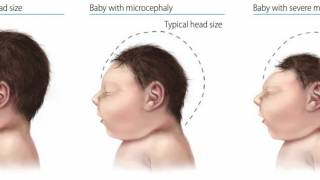
This mosquito-borne virus has shown persistent low-level transmission, periodic resurgences, and ongoing risks for pregnant women, leading to microcephaly and other neurological disorders in newborns.
The World Health Organization (WHO) did not publish a specific count of Zika-linked microcephaly cases for 2025.
However, based on risk estimates, the WHO says the actual number of cases was likely in the low dozens or possibly even fewer, spread across the affected countries. In comparison, historical peaks observed thousands of cases in Brazil during the years 2015 to 2016.
Although prevention research has progressed, there is still no licensed Zika vaccine or targeted treatment available, underscoring the need for continued awareness, capacity building, and community engagement.
To help understand this serious health risk, the World Health Organization (WHO) is conducting a webinar in February 2026. The tentative EPI-WIN agenda and speakers include, but are not limited to, the following:
Welcome remarks: Dr Maria Van Kerkhove, Director a.i., Department of Epidemic and Pandemic Management (EPM), WHO Health Emergencies Programme
Global epidemiology of Zika: Dr Diana Rojas Alvarez, Unit Head a.i., Emerging Zoonoses & High Impact Epidemics
Zika in Brazil: 10 years after the Emergency: Dr Livia Vinhal Frutuoso, National coordinator of Arbovirus surveillance, Ministry of Health, Brazil
Following up cohorts of children in Congenital Zika Syndrome in Colombia: Dr Marcela Mercado, Head of Research, Clinica del Country, Bogota.
The February 2, 2026, 06:00 AM in Central Time (US and Canada) registration link is here.
The PAHO says that while efforts are underway to improve the sensitivity of surveillance systems, a lack of detection is no guarantee that the Zika virus is not circulating or that local transmission has been interrupted.
Our Trust Standards: Medical Advisory Committee
-
Fact checked by Robert Carlson, MD