30 Countries At-Risk For Poliovirus Transmission

The World Health Organization (WHO) has reiterated that the international spread of poliovirus remains a Public Health Emergency of International Concern (PHEIC) following the forty-fourth meeting of the Emergency Committee under the International Health Regulations (IHR) 2005.
This meeting took place on January 14, 2026, and reviewed the latest data on wild poliovirus type 1 (WPV1) and circulating vaccine-derived polioviruses (cVDPV), assessing progress since the previous update on November 11, 2025.
In a statement released on March 4, 2026, the WHO Committee unanimously concluded that the risk of international spread of poliovirus continues to warrant the PHEIC designation.
And it recommended extending Temporary Recommendations for an additional three months to help curb transmission.
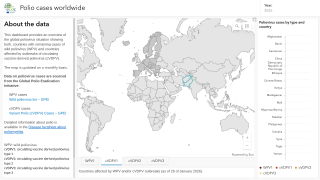
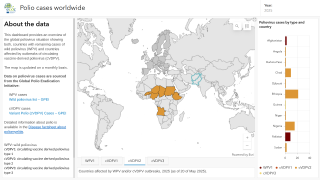
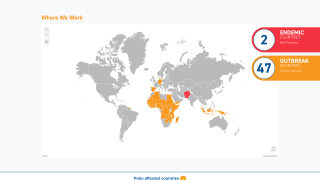
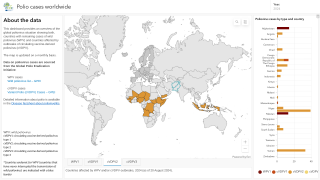
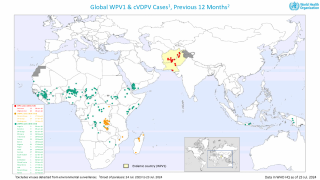
Key epidemiological highlights from the review include nine new WPV1 cases reported since the last meeting—five in Afghanistan and four in Pakistan, which are the only two countries with endemic WPV1 transmission. The Committee noted an increased risk of new and expanding cVDPV1 and cVDPV3 outbreaks in 2025, along with ongoing cross-border transmission. Notable examples include new cVDPV1 outbreaks in the Lao People's Democratic Republic (Laos) and cVDPV2 in Namibia.
The WHO Director-General accepted this assessment, maintaining the emergency status as of March 1, 2026. The Committee also determined that the situation does not constitute a "pandemic emergency."
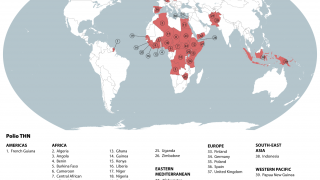
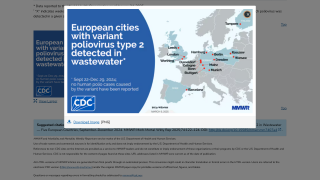
The WHO statement highlighted changes in the status of several countries since the last Emergency Committee review, which could affect polio vaccination recommendations for travelers: Finland, Germany, Ghana, Laos, Namibia, and Spain. These changes are related to the detection of outbreaks of cVDPV types, as detailed in WHO surveillance reports.
This development aligns with earlier reporting on the polio PHEIC.
For instance, previous articles have emphasized the importance of vaccination for international travelers, given polio's potential for rapid spread through fecal-oral routes or contaminated food and water.
Travelers are advised to ensure they have completed a primary polio vaccination course, with boosters available if needed.
The inactivated polio vaccine, used in many countries, including the U.S, protects against types 1, 2, and 3. The nOPV2 vaccine has been used over 2 billion times in various countries.
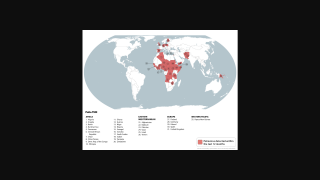
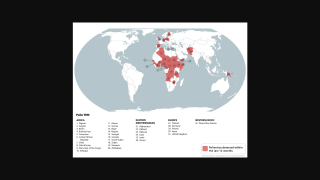
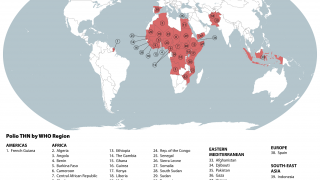
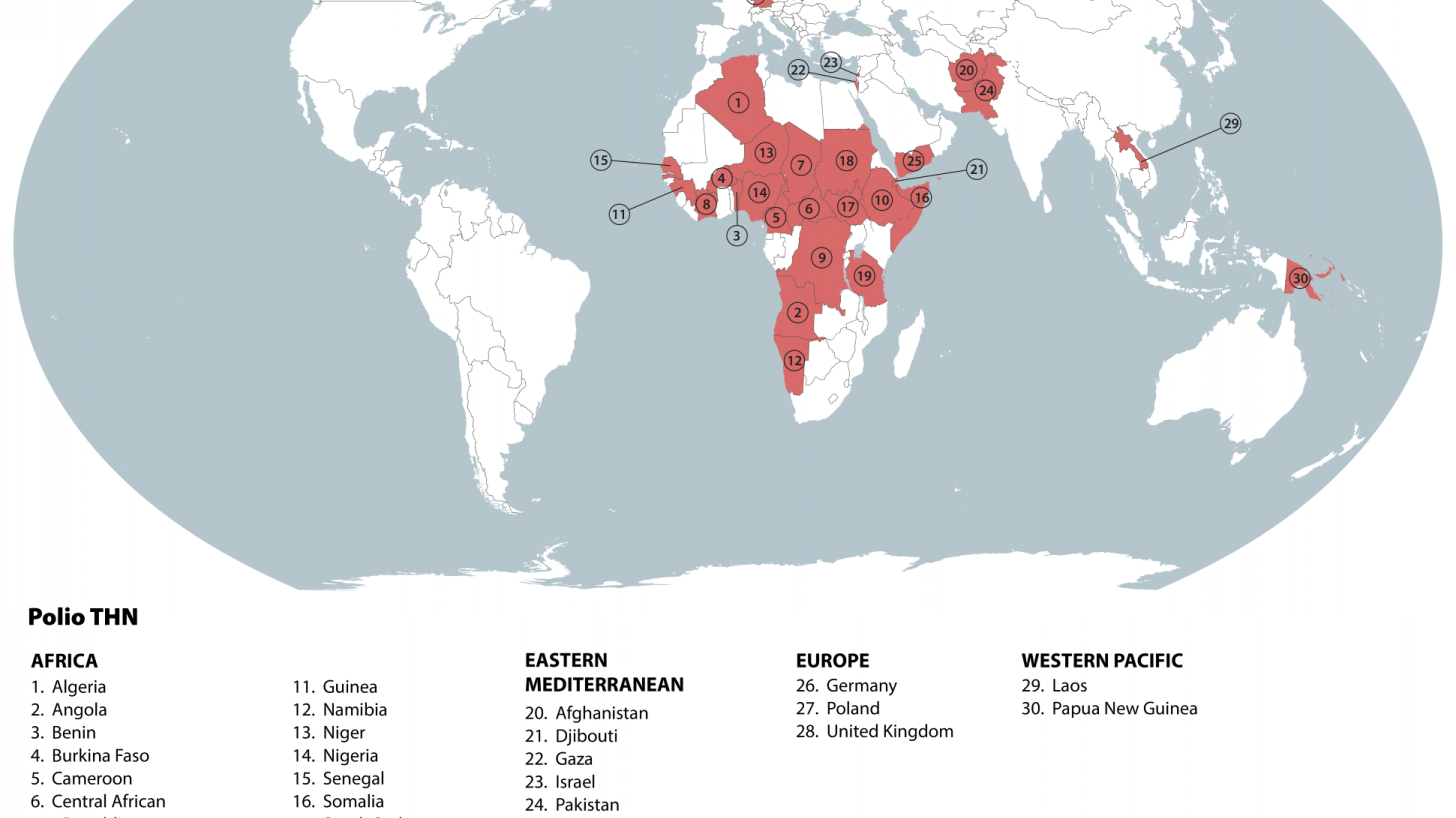
On March 9, 2025, the U.S. CDC updated its Level 2 - Practice Enhanced Precautions, Travel Health Notice, which was originally posted on September 26, 2022, and is updated regularly based on the most current polio risk data. This CDC Notice identifies 30 countries at risk for poliovirus.
Previous Vax-Before-Travel articles on related Emergency Committee updates include:
Global Polio Risk Remains for Three Months (November 2025)
Ongoing coverage of poliovirus detections and travel risks in 2026.
Health professionals and travelers should consult updated country information pages and outbreak surveillance for the latest recommendations, as polio status can change rapidly.
For the full details, refer to the official WHO statement: Statement of the Forty-fourth Meeting of the Polio IHR Emergency Committee.
Our Trust Standards: Medical Advisory Committee