South-East Asia Region Sustains Polio-Free Status

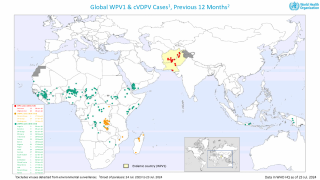
Fifteen years after recording its last case of wild poliovirus, the WHO South-East Asia Region continues to sustain its polio-free status while harnessing innovations and lessons from the polio programme to accelerate broader public health progress.
On this date in 2011, a young girl was paralyzed by wild poliovirus in Howrah, West Bengal, India.
According to an article published by the World Health Organization (WHO) on January 13, 2026, "This extraordinary achievement followed unparalleled efforts and demonstrates what can be accomplished and sustained through unwavering government leadership, a dedicated health workforce, and strong partnerships, including with communities," said Dr Catharina Boehme, Officer-in-Charge, WHO South-East Asia Region.
In 2025, more than 50,000 stool samples were collected across the Region and tested through a network of 13 WHO-accredited polio laboratories, including national, regional, and global reference laboratories.
As long as polio exists anywhere in the world, the risk of importation remains. Countries must sustain high immunization coverage, robust surveillance, and rapid response capacities for polio and other vaccine-preventable diseases, the Officer-in-Charge said.
This WHO Region continues to maintain strict vigil against poliovirus importation and protect children through vaccination against a disease that once caused widespread paralysis and death.
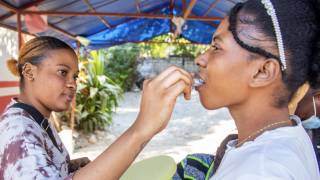
As of January 19, 2026, the WHO continues to recommend a combination of inactivated poliovirus vaccine (IPV) and oral poliovirus vaccine (OPV).
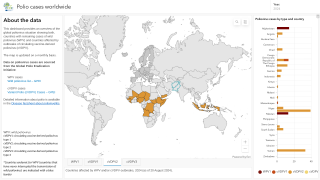
According to the most recent available data from the Global Polio Eradication Initiative, about two billion doses of the novel oral poliovirus vaccine type 2 (nOPV2) have been administered since its rollout began in March 2021.
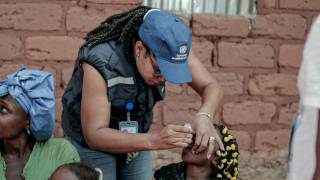
During 2025, various vaccination campaigns combined IPV and nOPV2.
"The journey from polio endemicity to sustained polio-free status demonstrates that ambitious public health goals are achievable," Dr Boehme said, adding, "WHO remains committed to supporting countries to protect every child through strong routine immunization systems and to advance disease elimination across the Region."
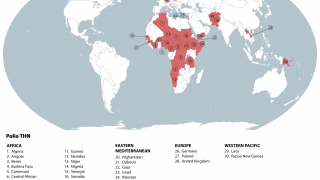
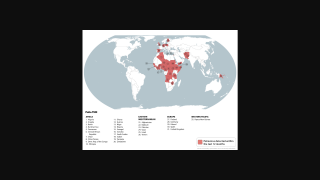
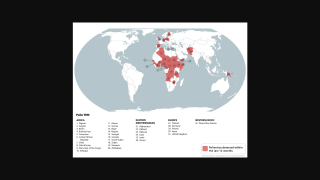
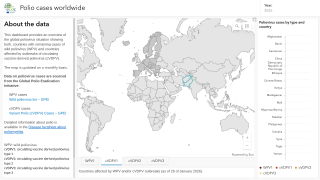
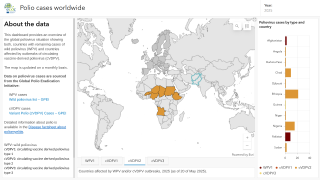
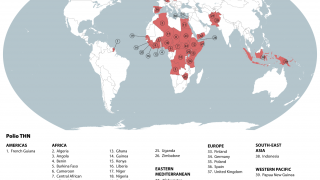
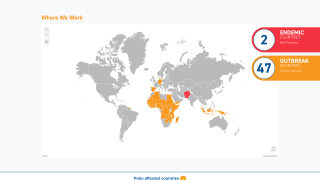
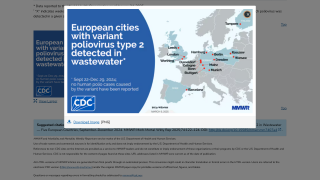
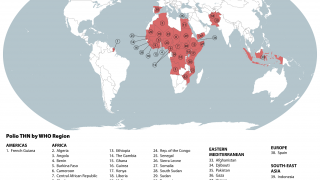
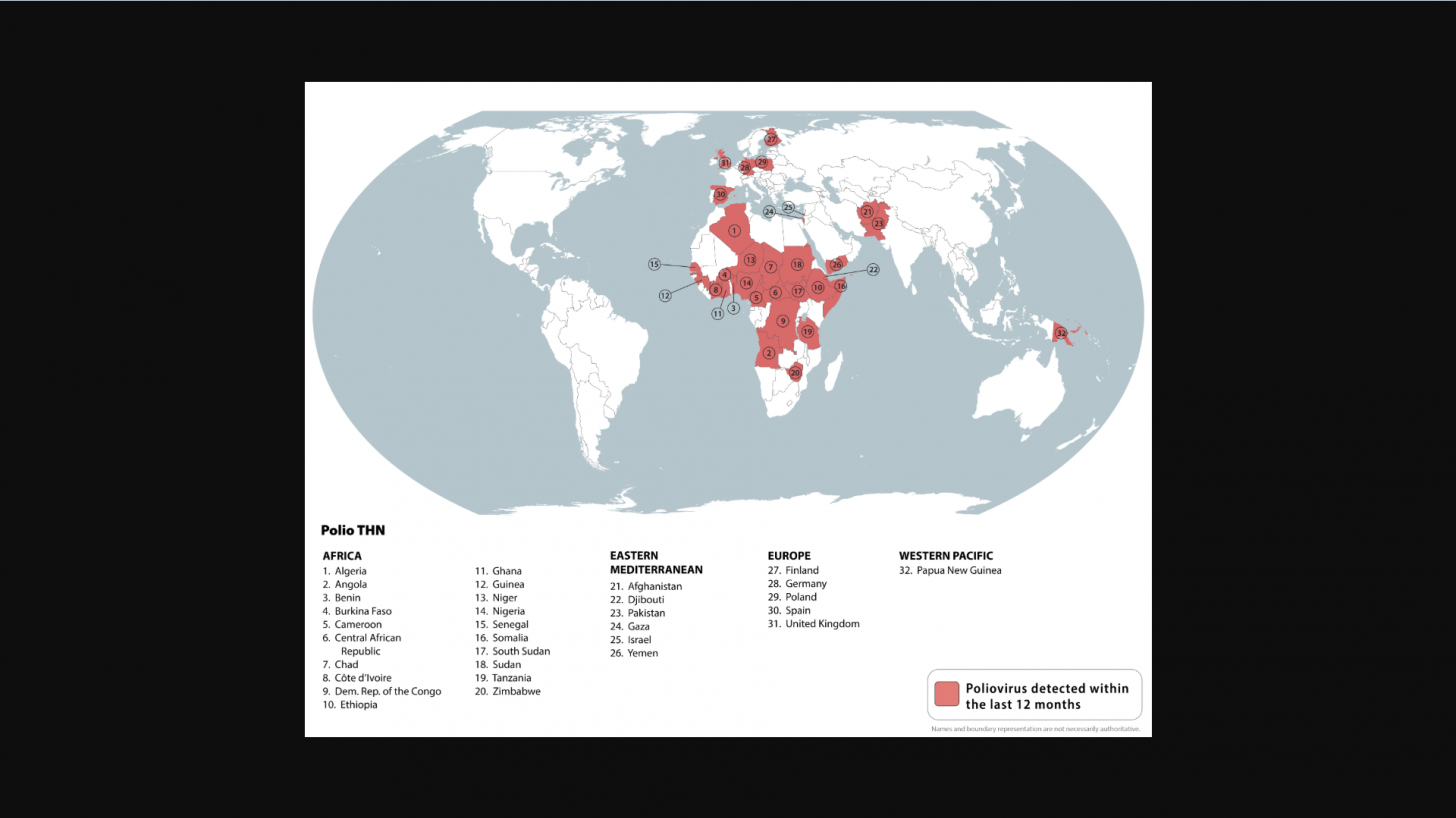
Currently, the U.S. CDC identifies 32 countries where poliovirus is a health risk, and advises international travelers to speak with a healthcare provider about immunization options, including a polio booster dose.
Our Trust Standards: Medical Advisory Committee
-
Fact checked by Robert Carlson, MD