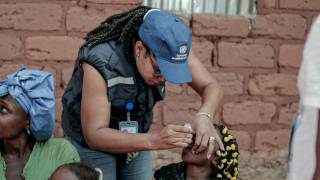
Poliovirus Detections Persist in Early 2026

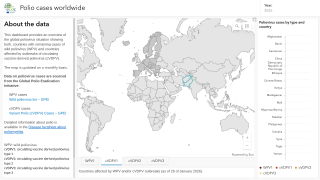
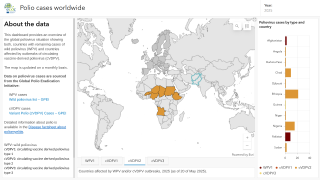
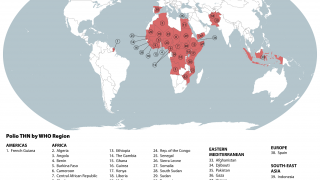
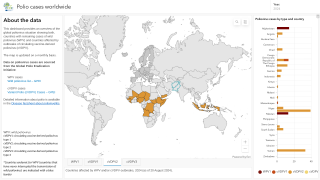
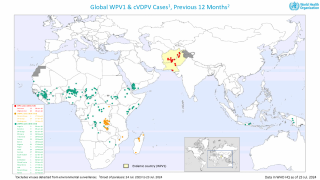
In the early months of 2026, the Global Polio Eradication Initiative (GPEI) is actively monitoring poliovirus detections worldwide. The primary focus of detections in early 2026 is on wastewater surveillance in non-endemic regions and on ongoing transmission in core reservoirs.
The GPEI effort includes reporting cases of acute flaccid paralysis (AFP) and conducting environmental sampling from wastewater.
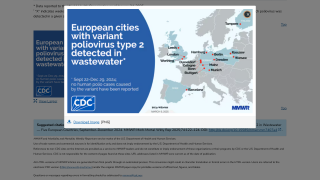
As of February 17, 2026, no human cases of paralysis have been reported in newly affected areas of Europe this year; however, these findings serve as critical early warnings.
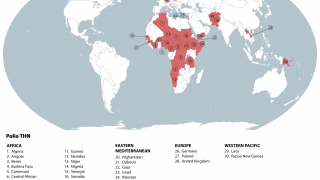
According to the GPEI, unusual wastewater detections in 2026 are as follows:
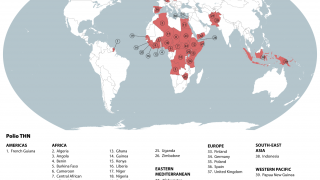
United Kingdom: A circulating vaccine-derived poliovirus type 2 (cVDPV2) was detected in an environmental sample collected around January 28, 2026, during routine wastewater surveillance by the UK Health Security Agency. No associated cases of paralysis have been identified.
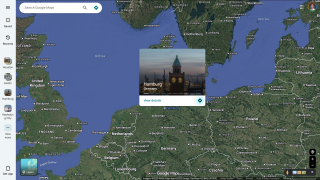
Germany: Heightened surveillance continues following the detection of WPV1 in Hamburg's wastewater in late 2025, which is genetically linked to a cluster in Afghanistan. Additional related environmental samples were reported in early 2026, but no new AFP cases have emerged. This strain is unrelated to the concurrent cVDPV2 findings in the region.
These detections occur against a backdrop of broader global risks.
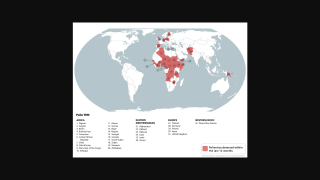
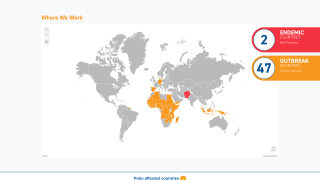
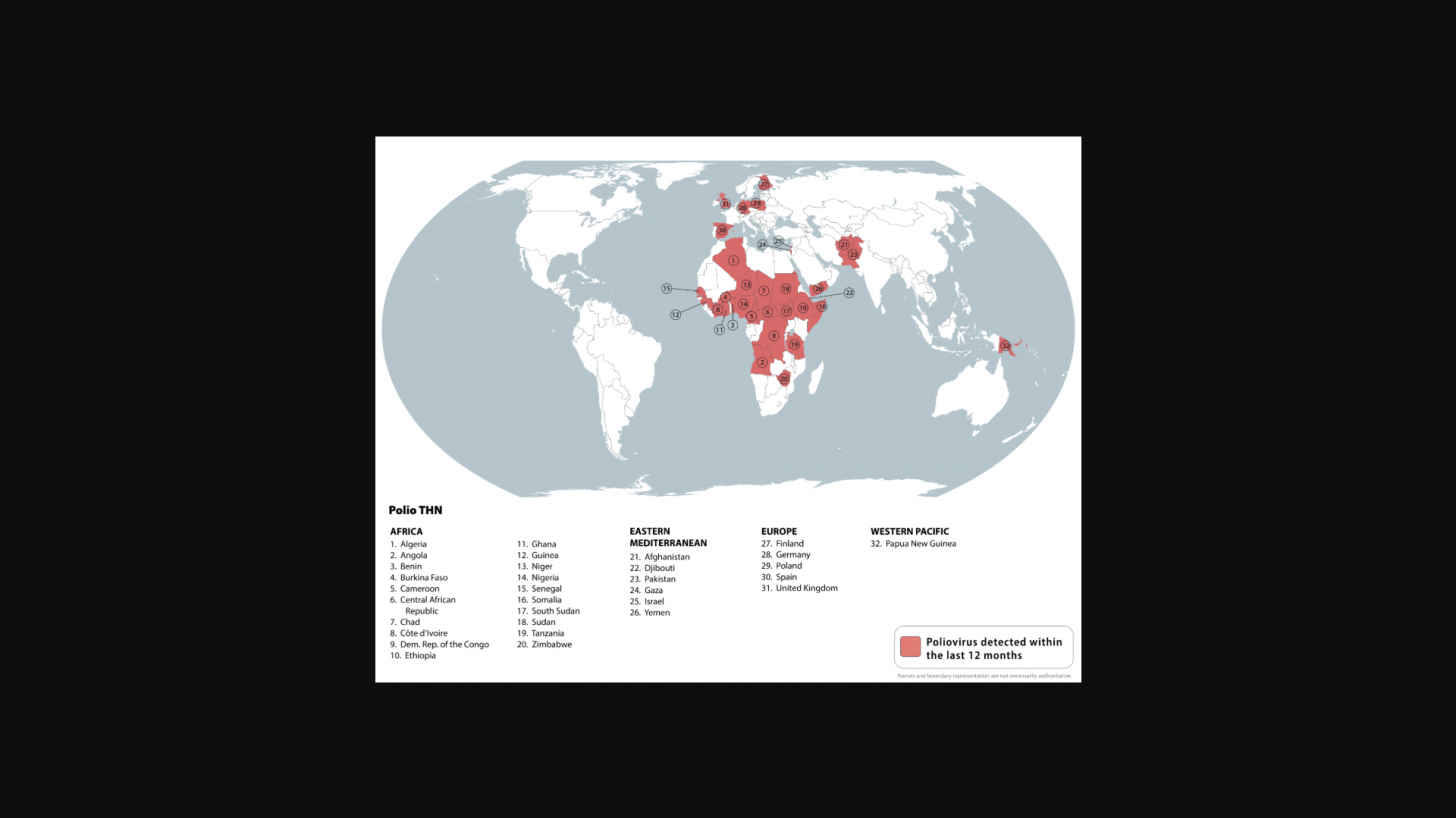
The U.S. Centers for Disease Control and Prevention (CDC) has issued Level 2 Travel Health Notices for 32 countries due to the ongoing circulation of poliovirus, including the United Kingdom, Germany, and Israel.
Furthermore, the World Health Organization (WHO) continues to classify polio as a Public Health Emergency of International Concern, emphasizing that any poliovirus anywhere poses a threat to children everywhere.
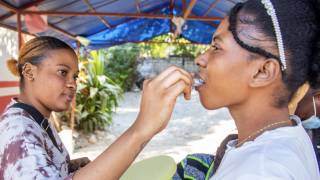
Currently, the GPEI relies heavily on the novel oral polio vaccine type 2 (nOPV2) as the primary tool for interrupting cVDPV2 outbreaks, due to its greater genetic stability compared to earlier vaccines.
In February 2026, the prequalification of additional nOPV2 supplies by the WHO enhances global outbreak response capacity. Globally, over 2 billion doses of nOPV2 have been administered.
Additionally, the CDC advises fully vaccinated travelers that they may be eligible for a third (booster) dose when visiting at-risk areas.
As we see from the detections in early 2026, polio remains just a plane ride away.
The GPEI, WHO, and the CDC say high vaccination rates, vigilant surveillance, and international cooperation are essential to achieve the goal of a polio-free world. When departing abroad from the USA in 2026, most travel vaccine clinics offer IPV vaccinations.
Our Trust Standards: Medical Advisory Committee
-
Fact checked by Robert Carlson, MD