Riskiest Mosquito-Borne Diseases Destinations Ahead of Spring Break 2026


As people finalize their plans to escape the lingering winter of 2026, the risk of mosquito-borne diseases remains a significant concern for travelers, particularly in the tropical and subtropical regions of the Americas.
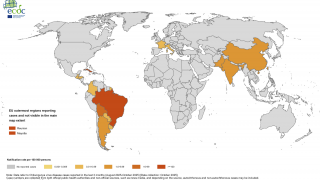
With spring break and early summer vacations approaching, the Pan American Health Organization (PAHO) is raising alarms about ongoing outbreaks of diseases such as Dengue, chikungunya, yellow fever, and Zika, as well as emerging threats like Oropouche fever.
These illnesses, transmitted primarily by Aedes and Anopheles mosquitoes, have seen surges, according to data from the Pan American Health Organization (PAHO).
While suspected Dengue cases are down 60% in early 2026 (69,772) compared to the 2025, chikungunya remains highly active in the Region with 7,342 cases this year.
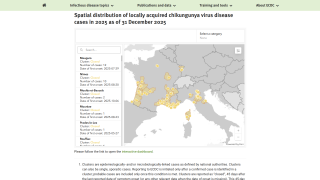
In the United States, Florida's Department of Health has already reported 16 travel-related chikungunya cases and one locally acquired case in Miami-Dade County.
Based on PAHO surveillance data and global health reports from February 11, 2026, Vax-Before-Travel.com has ranked the top dangerous destinations in the Americas for U.S. travelers. This ranking is based on disease burden, transmission risk, and travel popularity data aggregated by Grok.
While overall regional Dengue cases are down 60% in early 2026 compared to 2025 peaks, chikungunya and other viruses are sustaining high activity, with Brazil alone accounting for a disproportionate share.
Leading the list, Brazil reports the highest disease burden, including millions of Dengue cases in recent years, sustained chikungunya outbreaks (over 300,000), persistent Zika, and significant malaria in the Amazon region.
The U.S. Centers for Disease Control and Prevention (CDC) also flags Brazil as a high risk for U.S. travelers, with Oropouche circulating. Popular among 500,000 travelers from the U.S., Brazilian states like São Paulo and the Amazon are disease hotspots in 2026.
Colombia is ranked high in risk for chikungunya, Dengue, malaria (24% of regional totals), Oropouche, and yellow fever. Colombia's Amazon and coastal areas pose serious threats.
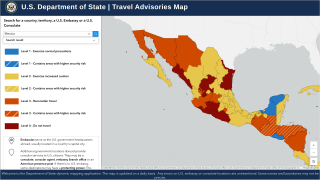
Mexico is a top U.S. destination (20+ million visitors yearly), but has widespread Dengue (10,000s of cases) and elevated risk of chikungunya, according to the CDC. Popular resorts in Cancún and Puerto Vallarta experience seasonal spikes; high travel volume makes them dangerously accessible to outbreaks.
According to the CDC, an essential tool for reducing disease risks in 2026 for travelers eyeing these high-risk destinations is access to vaccines, which offer a critical layer of protection against mosquito-borne diseases. However, availability varies by disease and location.
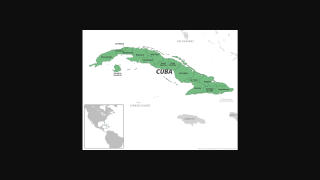
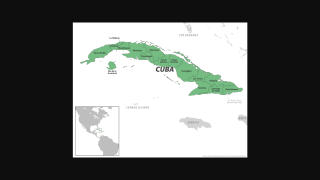
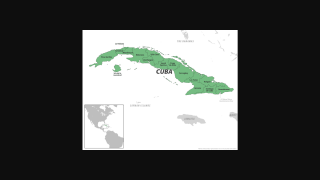
The CDC recommends the chikungunya vaccine VIMKUNYA for outbreak areas such as Brazil, Colombia, Mexico, Peru, Cuba, Nicaragua, and Suriname, with alternative vaccines such as IXCHIQ available abroad.
Dengue vaccines such as Qdenga and Dengvaxia are being rolled out in endemic countries, with Brazil incorporating the third-generation, single-dose Butantan-DV vaccine into its national program in early 2026, potentially supplying neighboring countries such as Colombia, Peru, and Argentina.
Additionally, yellow fever vaccines (YF-Vax or Stamaril) are widely accessible and often required for entry to Brazil, Colombia, Peru, and Venezuela.
Malaria vaccines like Mosquirix and R21/Matrix-M remain limited to Africa, with no access in the Americas in 2026, while Zika and Oropouche lack vaccines entirely.
U.S. residents can obtain these travel vaccines through clinics located in most cities, but global efforts underscore the need for equitable distribution to curb disease outbreaks in 2026. And travelers should always check CDC updates for the latest vaccine recommendations and availability.
Our Trust Standards: Medical Advisory Committee
-
Fact checked by Robert Carlson, MD