Cuba's Chikungunya Outbreak Causes Concerns in Miami in 2026

As 2026 unfolds, Cuba continues to deal with a significant outbreak of chikungunya, a mosquito-borne viral disease that causes severe joint pain and fever.
While chikungunya is rarely fatal, it poses significant risks to vulnerable populations, including the elderly, infants, and those with underlying health conditions, says the U.S. Centers for Disease Control and Prevention (CDC).
Health authorities have reported thousands of new cases this year, adding the total to over 51,000 infections documented in 2025.
This ongoing situation has raised international concern and led to travel advisories from several countries.
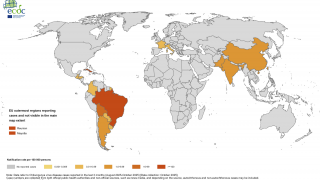
As of February 20, 2026, the Pan American Health Organization (PAHO) has identified Cuba as one of the hardest-hit nations in the Americas, second only to Brazil. The region has recorded 13,804 cases in the early weeks of the year.
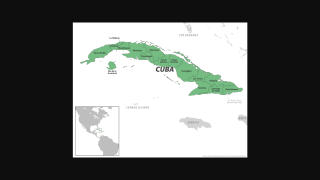
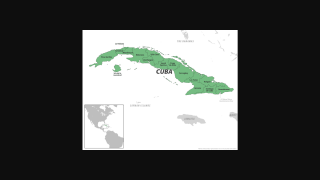
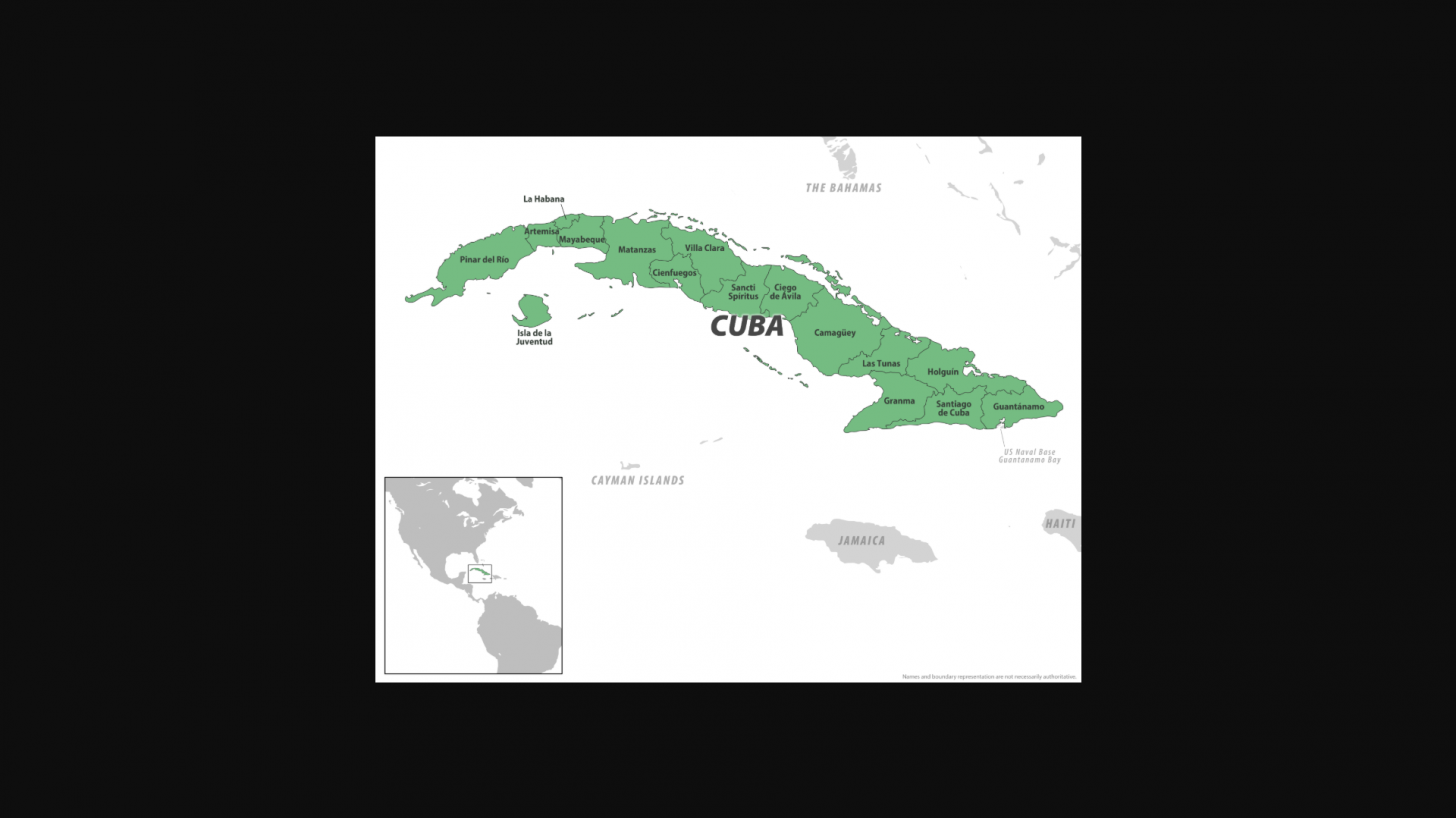
Provinces in Cuba, such as Matanzas, La Habana, and Camagüey, have experienced the highest incidence rates.
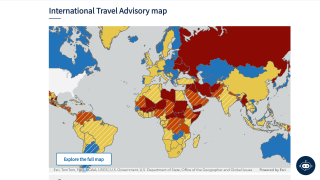
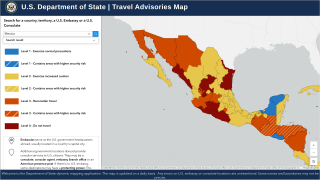
In response to the escalating outbreak, numerous countries have issued travel alerts for Cuba, advising travelers to take extra precautions against mosquito-borne illnesses. The CDC has maintained a Level 2 alert, advising travelers to "Practice Enhanced Precautions."
Other nations, including the United Kingdom, Sweden, Australia, and Ireland, have updated their travel advisories, highlighting the health risks posed by chikungunya.
Likewise, Canada recommends that travelers to Cuba consult healthcare providers at least six weeks before their departure.
The Bahamas has gone a step further, recommending that non-essential travel to Cuba be avoided due to the threat posed by mosquito-borne diseases.
In the United States, there has been a noticeable impact in Florida, with Cuba just 90 miles away.
In 2025, Florida recorded over 370 travel-associated chikungunya cases, with 357 directly linked to trips from Cuba—a sharp increase from previous years. This trend has continued into 2026, with the Florida Department of Health (DOH) confirming 27 imported cases by early February, involving 16 travelers returning from Cuba.
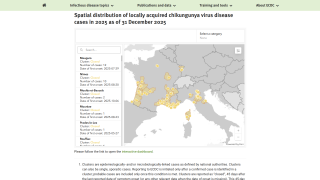
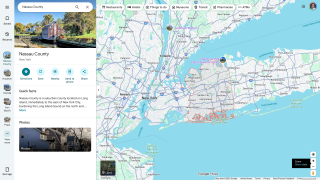
More concerning, Florida reported its first locally acquired case of chikungunya in 2026 in Miami-Dade County, indicating the potential for domestic transmission by infected mosquitoes, particularly as Spring Break 2026 approaches.
Florida's DOH Miami-Dade County is currently under a mosquito-borne illness alert, which cautions that its subtropical climate could facilitate mosquito-transmitted disease outbreaks, especially in densely populated areas like Miami.
For those planning to travel to Cuba, health experts emphasize the importance of taking proactive measures.
The CDC and Canadian health officials are recommending that travelers to areas affected by chikungunya in 2026 consider receiving the approved chikungunya vaccine. As vaccination becomes more widely available, experts hope it will help reduce the spread of the virus.
These approved vaccines are available for purchase at local travel clinics in the USA.
For now, the CDC says awareness and caution remain crucial for safe travel in 2026.
Our Trust Standards: Medical Advisory Committee
-
Fact checked by Robert Carlson, MD