Vaccination Reviews Urged Before Attending 2026 FIFA World Cup


As excitement builds among football fans for the 2026 FIFA World Cup, health officials are urging travelers to check their vaccination status before attending games in the United States, Canada, and Mexico.
The 2026 tournament promises thrilling soccer matches in cities such as Atlanta, Houston, Los Angeles, Vancouver, and Guadalajara.
As of February 6, 2026, no vaccines are currently required for entry into the host countries specifically for the 2026 World Cup.
However, recent surges in infectious diseases have raised health concerns among ticket holders.
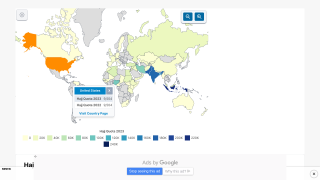
In 2025, the Americas reported more than 14,000 confirmed measles cases.
Mexico accounted for 6,428 cases and 24 deaths, Canada had 5,436 cases and 2 deaths, while the U.S. reported 2,242 cases and 3 deaths.
In the Mexican state of Jalisco, home to Guadalajara's soccer stadium, the state has recently mandated masks in schools and issued alerts due to local measles outbreaks in 2026.
And in Los Angeles County, seven locally acquired Dengue cases were confirmed by late 2025, in areas including the San Gabriel Valley, which reported 11 locally acquired cases in 2024.
To combat these health risks, the U.S. Centers for Disease Control and Prevention (CDC) and the Pan American Health Organization (PAHO) have issued comprehensive vaccine recommendations for attendees of sports events. These guidelines are based on standard travel health advice tailored for the host countries, taking into account the large-scale gatherings and cross-border travel associated with the event.
Additionally, the CDC says crowd density, not just the number of attendees, contributes to health risks. More densely packed crowds can facilitate the spread of disease, as travelers who import infectious diseases to mass gatherings can infect both their fellow attendees and the local population.
In response to these health threats, host cities are increasing vaccination clinics near venues, and FIFA has partnered with health agencies to raise awareness.
Travelers are advised to consult a healthcare provider or travel clinic at least 4-6 weeks before their departure to ensure they are fully protected, as some vaccines require multiple doses or time to build immunity.
Routine vaccine recommendations vary slightly by host country, particularly in Mexico, which has higher risks of food- and waterborne illnesses as well as travel-related vaccines such as chikungunya and Dengue.
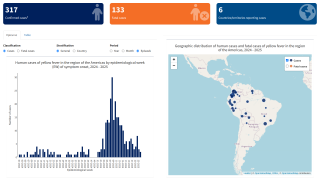
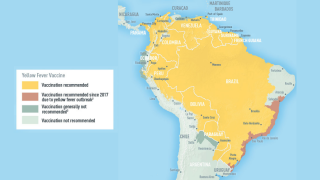
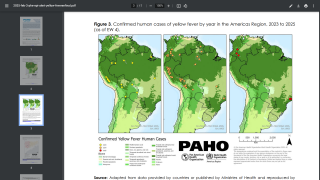
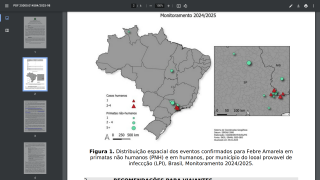
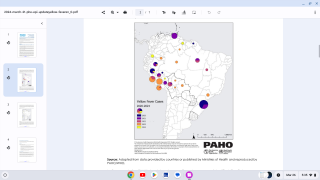
Additionally, yellow fever vaccination is not required or recommended for the U.S., Canada, or Mexico, as these countries are not considered endemic for yellow fever.
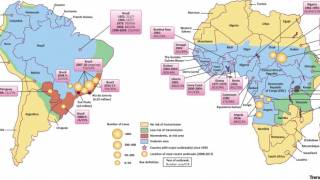
Specifically, proof of (YF-VAX, Stamaril) vaccination may be required if arriving from a country where yellow fever is a risk.
With the World Cup just months away, health officials urge people to take proactive steps now.
For the latest updates, visit the CDC's Travelers' Health site or consult a local travel vaccine expert.
As the real football game unites the world, staying protected ensures that everyone can enjoy the spectacle safely.
Our Trust Standards: Medical Advisory Committee
-
Fact checked by Robert Carlson, MD