Bacille Calmette-Guérin (BCG) Vaccine Clinical Trials, Dosage, Efficacy, Indications, Side Effects
Merck TICE® BCG vaccine is an attenuated, strain tice live antigen preparation of Mycobacterium bovis. The TICE strain was developed at the University of Illinois from a strain originating at the Pasteur Institute. Since 2012, Merck & Co. has been the supplier of the TICE BCG vaccine in the U.S.
In 1921, French scientists Albert Calmette and Camille Guérin developed the initial Mycobacterium bovis Bacillus Calmette-Guérin (BCG) vaccine. The BCG vaccine was designed to protect cattle from bovine tuberculosis and was administered to a newborn baby in Paris. BCG-induced whole-blood cytokine levels differ by age, vaccine formulation, and concentration. In addition, BCG-induced cytokine production correlated with CFU, suggesting that mycobacterial viability may contribute to BCG-induced immune responses. Mycobacterium tuberculosis (Mtb) is the etiological agent of tuberculosis (TB).
BCG vaccines have been administered approximately 4 billion times worldwide. BCG vaccines initially targeted against TB, tuberculosis meningitis, and non-specific protective effects against other respiratory tract infections and certain cancers. In naive adult populations, the BCG vaccine, administered intradermally, takes at least 2 years to achieve complete protection due to several off-target effects. A study published in September 2023 characterized the mechanisms of BCG revaccination-induced trained immunity (TI). Data highlights a balanced immune response comprising pro- and anti-inflammatory mediators, a feature of BCG revaccination-induced immunity. These immune responses have been used to prevent and treat various diseases, including bladder cancer, herpes, human papillomavirus, leprosy, and Buruli ulcers.
BCG immunization or MTB infection of the human body induces an increase in gene rearrangement and metabolism in intrinsic immune cells, such as macrophages, NK cells, and monocytes, leading to the increased secretion of cytokines, including TNF-α, IL-1β, and IL-6. During reinfection with other pathogens, such as HSV-1, these trained innate immune cells rapidly secrete TNF-α, IL-1β, IL-6, and other cytokines to eliminate invading pathogens.
A study reported in July 2024 found that the immune response to M. tuberculosis (Mtb) is associated with the activation of type 1 T helper (Th1) responses and the production of a range of cytokines, including tumor necrosis factor-alpha (TNF-α) and interferon-gamma (IFN-γ). Genetic defects, such as mutations in cytokine receptors like interleukin-12 (IL-12) or IFN-γ, enhance the cell differentiation, leading to increased susceptibility to progressive mycobacterial disease. In addition, the neutralization of TNF-α by monoclonal antibodies (such as those used in treating rheumatoid arthritis) can prevent LTBI reactivation.
On January 19, 2021, Dr. Camille Locht, research director at Inserm's Institut Pasteur de Lille, stated, "The BCG can train the cells of the innate immune system to make them more fit and active to fight against other diseases." The U.S. National Institutes of Health (NIH) says the BCG vaccine is safe. The BCG vaccine is used in many countries (Mexico, the U.K., Canada) for emerging therapeutic off-target benefits, such as treating bladder cancer. As of February 2023, the biological interaction between M. tuberculosis (Mtb) and the human host is complex and only partially understood, according to the World Health Organization (WHO). The WHO 2022 Report says BCG vaccination should continue for all infants soon after birth, except for those living with HIV in high tuberculosis-prevalence settings. The WHO adopted requirements for the BCG vaccine in 1965, and these were updated in 1978 to reflect the increased knowledge of vaccinations and the change to freeze-dried preparations. These were modified in 1985 to amend requirements concerning the expiry date. In its thirteenth report, the WHO Expert Committee on Biological Standardization considered the possibility of formulating international requirements for the manufacture and control of the BCG vaccine. On September 30, 2022, the WHO published consolidated guidelines on TB, Module 3. The WHO recommends BCG vaccination at birth in countries where tuberculosis is endemic. In 2024, the U.K.'s NHS states that the BCG vaccine will be particularly beneficial in protecting babies and young children against more severe forms of TB.
On August 5, 2022, new research (MIS BAIR) led by the Murdoch Children's Research Institute in Australia and published in the peer-reviewed Science Advances journal showed how BCG vaccination produces 'trained immunity responses' lasting more than 14 months after administration. On August 15, 2022, research findings published by the Cell Reports Medicine journal suggested that the BCG platform protects against infectious diseases and that vaccine efficacy takes 1-2 years to manifest, but the protection may last decades. The Rockefeller Foundation announced on September 20, 2022, that it would commit US$15 million to the Global Fund to Fight AIDS, TB, and Malaria.
BCG Vaccine United States
Merck confirmed it was experiencing a global shortage due to the growing demand for BCG vaccines. In October 2020, Merck announced plans to construct a manufacturing facility in Durham, North Carolina, to expand production of the TICE BCG vaccine.
The U.S. Centers for Disease Control and Prevention (CDC) states that the BCG vaccine is not generally recommended for use in the U.S. due to the minimal risk of infection with Mycobacterium tuberculosis. The CDC recommends BCG vaccination only for children who have a negative tuberculin skin test and are at ongoing risk of exposure to tuberculosis. BCG vaccination may be recommended for older children who have an increased risk of developing TB, such as children who have recently arrived from countries with high levels of TB, including those in Africa, the Indian subcontinent, parts of southeast Asia, parts of South and Central America, and parts of the Middle East, and children who have come into close contact with somebody infected with respiratory TB. Many foreign-born persons have been BCG-vaccinated. BCG is used in many countries with a high prevalence of TB to prevent childhood tuberculous meningitis.
BCG Vaccines 2026
As of 2026, various BCG vaccines are available globally, including TUBERVAC-rBCG, BCG vaccine AJV (A.J. Vaccines), VERITY-BCG™, France BCG vaccine (Pasteur 1173P2), Brazil strain (BCG oral Mearou RJ), Bulgarian substrain (Sofia SL222), Japan 172 strain (Tokyo 172-1), and BCG-Denmark 133.
BCG Vaccination Benefits For Infants
A study published in the BMJ in September 2025 concluded that in newborns weighing <2000 g in intensive care, BCG-OPV administered at a median age of 0.9 days reduced all-cause neonatal mortality, owing to a decrease in deaths from infections other than tuberculosis.
BCG Vaccine Alzheimer's Disease Dementia
On August 24, 2023, a systematic review and meta-analysis of BCG administration on the risk of dementia in bladder cancer patients found the pooled HR was 0.55 (0.42–0.73), indicating that BCG exposure or treatment reduced the risk of incident dementia by 45%. The JAMA Network published an Original Investigation on May 19, 2023, led by investigators at Massachusetts General Hospital and Brigham and Women's Hospital. The investigation concluded that the BCG vaccine was associated with a significantly lower rate and risk of Alzheimer's disease and related dementia in a cohort of patients with bladder cancer when accounting for death as a competing event. This phase 2 clinical trial is ongoing.
A mini-review published on June 27, 2022, highlights how immune cells can mediate the relationship between BCG vaccination and AD, thereby supporting the health of the central nervous system. On February 22, 2022, MDPI published "BCG Vaccination and Plasma Amyloid: A Prospective, Pilot Study with Implications for Alzheimer's Disease," in which participants tended to have higher values of the Aβ42/Aβ40 ratio after receiving the BCG vaccine. On November 7, 2019, researchers at the Hadassah-Hebrew University Medical Centre collected the data of 1,371 people who had or had not received BCG as part of their treatment for bladder cancer. They found that just 2.4% of the patients treated with BCG developed Alzheimer's over the following eight years, compared with 8.9% of those not given the vaccine.
BCG Vaccine Bladder Cancer
The study of BCG anti-tumor activity began in 1929. Since 1977, BCG vaccination has been the standard therapy for treating high-risk nonmuscle-invasive bladder cancer (NMIBC) patients to avoid the recurrence and progression of the disease. BCG is the most common intravesical immunotherapy for treating early-stage bladder cancer, according to Cancer.org. BCG vaccination induces the recruitment and polarization of macrophages towards a pro-inflammatory phenotype, accompanied by the induction of the inflammatory cytokines TNF-α, IL-1β, and IL-6 in the tumor microenvironment. Macrophages directly induced apoptosis of human cancer cells through zebrafish TNF signaling.
Serum Institute of India's BCG vaccine is exported to Canada for immunotherapy to treat bladder cancer. In Australia, intravesical immunotherapy with BCG is approved. On April 22, 2024, the U.S. FDA approved the multi-dose ANKTIVA for BCG-unresponsive non-muscle Invasive Bladder Cancer. The End Drug Shortages Alliance confirmed in 2023 that about 20% of the organizations were not providing complete BCG vaccination routines to eligible cancer patients. When comparing BCG strains, the Tice stain showed a relatively high probability of recurrence compared with the Connaught (RR, 1.29; 95% CI 1.01–1.64) and RIVM (RR, 2.04; 95% CI 1.28–3.25) strains.
BCG Vaccine Diabetes
Various studies are investigating whether BCG vaccine therapy can enhance blood sugar control in Type 1 Diabetes by altering metabolism. In January 2023, PLOS ONE published the results of two observational studies. The epidemiological evidence analyzed here suggests that BCG may play a role in the prevention of type 1 diabetes (T1D) but does not support its role in preventing type 2 diabetes (T2D), most likely due to the interference of metformin. Our ecological analysis of global data suggests a potential role for neonatal BCG in preventing type 1 diabetes (T1D) and, to a lesser extent, type 2 diabetes (T2D). Researchers from Massachusetts General Hospital (MGH) presented positive updates in 2021 on their trials of the BCG vaccine, which aim to safely and significantly lower blood sugar levels. Over the course of three years, BCG restores the gene expression pattern of Tregs in type 1 diabetics to a pattern consistent with that of non-type one control subjects. In June 2018, an MGH research team published in npj Vaccines that three years after receiving two administrations of the BCG vaccine, four weeks apart, all members of a group of adults with longstanding type 1 diabetes showed an improvement in HbA1c to near-normal levels. This improvement persisted for the following five years.
BCG Vaccine Eczema
The Murdoch Children's Research Institute's initial study findings, published in the journal Allergy on August 24, 2021, showed that the BCG vaccine had a modest protective effect against eczema in high-risk infants. However, a single dose of BCG-Denmark soon after birth could reduce the incidence of eczema in infants with two atopic parents.
BCG Vaccination Endometriosis
A mini-review published in 2021 addresses the possible use of BCG as a therapeutic for endometriosis, a syndrome of chronic pelvic pain due to ectopic growth of endometrial-type tissue outside of the uterine lining. The immune response to endometriosis reflects a complex balance between systemic pro-inflammatory activation and local anti-inflammatory mechanisms that permit tumor growth. Lesions of endometriosis have an immune-cell-rich stroma with aberrant expression of pro- and anti-inflammatory cytokines, including IL-16, IL-18, and IL-1. BCG vaccination has been shown to alter the secretion of pro-inflammatory cytokines.
BCG Vaccine Herpes
The Lancet's eClinicalMedicine published results from a phase 3 clinical trial conducted across multiple countries on October 16, 2023, assessing the impact of BCG vaccination on recurrent herpes labialis. The study's results suggest that BCG-induced non-specific immune responses can enhance the body's immune response, particularly in males with a history of frequent recurrences.
A systematic review of Medline, EMBASE, and PubMed in June 2020 identified 16 relevant articles, comprising eight animal and eight human studies (301 patients). In nonrandomized human studies (that failed to control for placebo effects), BCG vaccination appeared beneficial in 78% of adults with recurrent herpes genitalis or labialis: 37% were recurrence-free for an extended period, 41% experienced less frequent or less severe episodes, and only 22% reported no change. In the two studies on recurrent herpes labialis, 94% appeared to benefit from BCG. The one randomized controlled trial used an immunomodulatory intervention in the control group, which limited interpretation. In conclusion, the BCG vaccine is readily available and can help reduce diseases associated with HSV infection.
BCG Vaccine HIV
Coinfection with Mtb and HIV is a lethal combination, says the WHO. In sub-Saharan Africa, where HIV is most prevalent, the annual incidence of TB has risen to more than 300 cases per 100,000 inhabitants. In some of these places, nearly 50% of the HIV-infected population is coinfected with TB, and more than two-thirds of TB patients are infected with HIV. The lifetime risk of developing TB is as high as 30-50% for HIV-infected persons. In some parts of Southeast Asia, an estimated 20-25% of TB cases will be directly attributable to HIV, according to the WHO.
For neonates born to mothers with an unknown HIV status and neonates with an unknown HIV status born to HIV-infected mothers (regardless of their ART status), the WHO recommends BCG vaccination, as the benefits outweigh the risks. For a neonate confirmed by virologic testing to be positive for HIV, it is recommended that BCG vaccination be delayed until ART has been started.
Experts at Fred Hutchinson Cancer Center suggested in a study published in The Lancet HIV on October 11, 2022, that future TB vaccine development clinical trials should ensure people living with HIV have access to safe and effective TB vaccines.
On June 27, 2022, The Lancet Infectious Diseases published the results from a phase 2 study on HIV-infected children in South Africa. The researchers' Interpretation: The VPM1002 vaccine candidate was less reactive than BCG and did not raise serious safety concerns. Both vaccines were immunogenic, with higher responses to the BCG vaccine.
In October 2020, the journal Nature published a BCG vaccine review that stated 'the potential TB vaccine candidates that can be exploited for use as a dual vaccine against TB/HIV copandemic (ii) progress made in the realm of TB/HIV dual vaccine candidates in a small animal model, NHP model, and human clinical trials the failures and promising targets for a successful vaccine strategy while delineating the correlates of vaccine-induced protection.'
BCG Vaccine Leprosy
Repeat BCG vaccination is standard practice in many countries to prevent Hansen's disease (leprosy). In 2018, the WHO included leprosy among the conditions for which a single-dose BCG vaccination is recommended. A study published in 2020 concluded that BCG vaccination might have a role in enhancing the cell-mediated immunity.
BCG Vaccine Liver Cancer Tumors
A study published in Advanced Science by UC Davis Health in February 2024 found that a dose of the BCG vaccine reduced liver tumor burden and extended the survival of mice with liver cancer. The study is the first to show BCG vaccinations as a potential treatment for hepatocellular carcinoma, a condition often associated with unfavorable treatment outcomes. Vaccination demonstrated a favorable safety profile and efficacy in inhibiting fibrosis, improving metabolism, and engaging trained immunity and T cells in therapeutic mechanisms.
BCG Vaccine Tuberculosis
Tuberculosis (TB) is a vaccine-preventable disease, says the WHO. A study titled "Efficacy of BCG Vaccine in the Prevention of Tuberculosis: Meta-analysis of the Published Literature" was published in 1994. On January 24, 2023, PLOS Medicine published a research article titled "The Cost and Cost-Effectiveness of Novel Tuberculosis Vaccines in Low- and Middle-Income Countries: A Modeling Study." Our analysis projected that an effective new TB vaccine could offer significant health and economic benefits from 2028 to 2050. The Lancet published an early-release survey on August 10, 2022 - Infant BCG vaccination and risk of pulmonary and extrapulmonary TB throughout the life course: a systematic review and individual participant data meta-analysis. Interpretation: Our results suggest that BCG vaccination at birth prevents tuberculosis in young children but is ineffective in adolescents and adults. Immunoprotection, therefore, needs to be boosted in older populations.
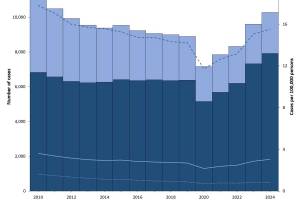
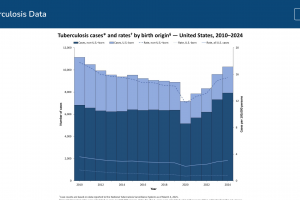
The WHO's Global Tuberculosis Report 2024 highlights mixed progress in the global fight against TB. While the number of TB-related deaths decreased from 1.32 million in 2022 to 1.25 million in 2023, the total number of people falling ill with TB rose slightly to an estimated 10.8 million in 2023.
BCG Vaccine Yellow Fever
The study demonstrated the effects of BCG vaccination on genome-wide histone modifications induced in trained monocytes. These modifications are associated with reduced yellow fever virus viremia levels, driven by increased IL-1β production and release.
BCG Vaccine for Children
BCG vaccination at birth or in infancy significantly reduces the risk of TB. The potential implications for child health are substantial, according to a study published in October 2020. For example, if BCG vaccination were given to children at birth, if higher measles vaccination coverage could be obtained, if diphtheria, tetanus, and pertussis-containing vaccines were not provided with or after the measles vaccine, or if the BCG strain with the best non-specific effects could be used consistently, then child mortality could be considerably lower. In 2005, all EU countries, including Andorra, Bulgaria, Norway, Romania, and Switzerland, participated in a survey on BCG vaccination in children.
BCG Vaccine Pregnancy
BCG vaccination should not be given during pregnancy. However, no harmful effects on the fetus have been observed, and further studies are needed to prove its safety.
BCG Vaccine Dosage
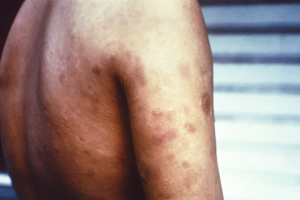
In its thirteenth report, the WHO Expert Committee first considered establishing international requirements for the manufacture and control of the BCG vaccine in the context of Biological Standardization. Approved dose: The BCG vaccine can be administered cutaneously or intradermally. Research is currently being conducted on respiratory administration, as humans' natural infection and sensitization to Mycobacterium tuberculosis typically occur in the respiratory system. The timing and dose of BCG vaccination were assessed by the 1995 Tuberculin Vaccination Survey (US FDA), Medline.gov, the U.K., 2020, and WHO. The intact vials of BCG VACCINE should be stored refrigerated at 2–8°C (36–46°F). This agent contains live bacteria and should be protected from direct exposure to the environment. When used to protect against TB, BCG is injected into the skin. Keep the vaccination area dry for 24 hours after receiving the vaccination, and keep it clean until the vaccination area is indistinguishable from the surrounding skin.
BCG Vaccine Side Effects
If you experience any unusual or severe symptoms after receiving this vaccine, tell your healthcare provider promptly or report them to the Vaccine Adverse Event Reporting System at www.vaers.hhs.gov.
BCG Vaccine United Kingdom
In the U.K. and various countries, BCG vaccination is administered to newborn infants at risk of TB. The WHO suggests that BCG programs for different age groups are equally effective against TB during puberty. BCG vaccines have effectively protected children against the rarer, severe forms of TB, such as TB meningitis. The Lancet Global Health published a study in September 2022 that found that BCG vaccination at birth protects children under five against TB.
Public Health England (PHE) announced on July 27, 2021, that eligible babies should be offered the BCG vaccine at 28 days of age or soon after. BCG vaccination is recommended for babies up to 1 year old, and BCG vaccination may also be recommended for older children who have an increased risk of developing TB. On September 15, 2021, the U.K.'s PHE updated its fact sheet, which had previously been published in The Lancet on September 7, 2021, and in Cancer Immunology on June 24, 2022. Epidemiologist Christine Stabell Benn and colleagues found (Mar. 2012) that BCG administered to children with low birth weight reduced all-cause mortality in these children by about 40% in the first year of life.
BCG Vaccine Price
UNICEF data show that the price per dose of the BCG vaccine is nominal. The U.S. CDC Vaccine Price List was last updated in December 2022; many pharmacies in the U.S. charge over $100.00 for a single vial of BCG vaccines. According to various reports, the global TB Vaccine revenue is expected to increase by over 3% annually by 2027. Additional information on the BCG vaccine discount is posted at InstantRx™.
BCG Vaccine Clinical Trials
BCG is currently involved in active clinical trials covering various conditions. Click here to review the various ongoing clinical trials.