Chile Is Leprosy Free
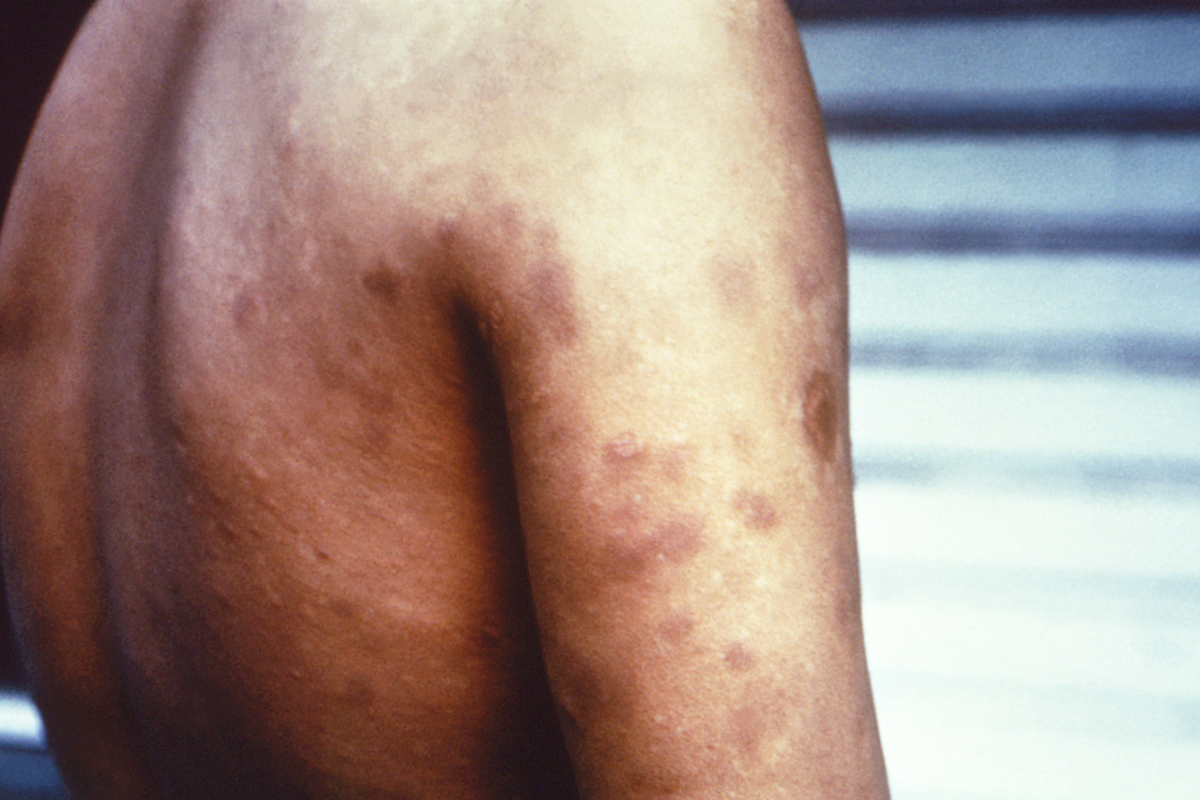
The World Health Organization (WHO), in collaboration with the Pan American Health Organization (PAHO), has officially recognized Chile as the first country in the Americas—and the second worldwide—to eliminate leprosy (Hansen's disease) as a public health concern.
This significant achievement was announced on March 4, 2026, and follows over three decades without any locally acquired cases of the disease.
Leprosy was first recorded in Chile at the end of the 19th century on Rapa Nui (Easter Island), where it became more established, affecting hundreds of residents at its peak—historical reports indicate that up to 460 cases were detected among the island's population of approximately 2,800 during earlier periods.
On mainland Chile, located on South America's east coast, cases remained sporadic and were managed through isolation, treatment, and containment efforts.
"Chile's achievement demonstrates that eliminating leprosy is possible and requires the establishment of strong systems to detect, respond to, and provide comprehensive care for those affected by the disease, including individuals living with chronic disabilities," stated PAHO Director Dr. Jarbas Barbosa in a media release.
"Being the first country in the Americas to be confirmed as having eliminated leprosy sends a powerful message to the region—that diseases strongly linked to vulnerable populations can be eradicated, thereby disrupting the vicious circle between disease and poverty."
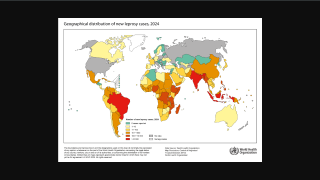
In the United States, the CDC reported 205 new leprosy cases nationwide in 2024.
Florida specifically recorded 20 confirmed cases.
While there is no specific vaccine for leprosy, the Bacille Calmette-Guérin (BCG) vaccine, primarily used against tuberculosis, has been shown in global studies to offer partial protection (20% to 80%) due to antigenic similarities between the bacteria.
BCG vaccination value depends on factors such as age, dosage, and particularly when administered in childhood.
However, Chile's success was achieved primarily through integrated strategies focused on treatment, surveillance, and transmission prevention, rather than relying solely on vaccination.
Our Trust Standards: Medical Advisory Committee