Leprosy is Curable, the Real Challenge is Stigma in 2026

Access to treatment for leprosy is essential for global efforts to eliminate the disease, according to the World Health Organization (WHO) in advance of World Leprosy Day 2026.
As of January 2026, the WHO's press release says efforts to eliminate leprosy, also known as Hansen disease, have led to a reduction in new cases in many regions. The WHO says leprosy can be cured with simple, free antibiotic treatment.
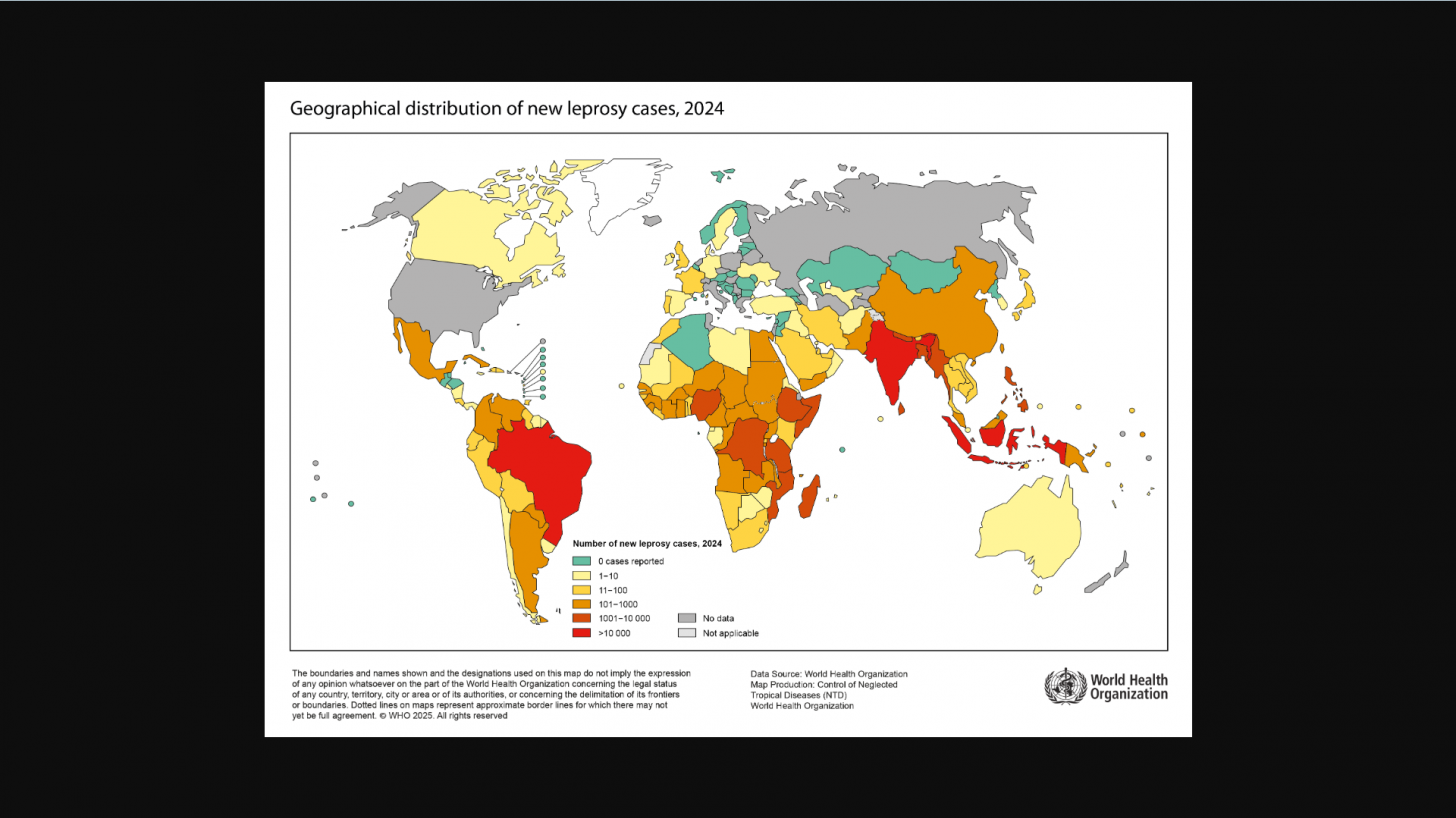
Among the 188 countries, areas, or territories that submitted leprosy data in 2024, over 130 reported 172,717 new cases.
In the United States, Florida is a leader in reporting leprosy cases.
According to the Florida Department of Health, in 2025, 36 cases of leprosy were reported primarily in the central counties.
Leprosy is one of the oldest diseases known to humanity, caused by the bacteria Mycobacterium leprae. It primarily affects the skin and peripheral nerves. If left untreated, leprosy can lead to progressive and permanent disabilities, as well as stigma and social isolation.
The disease is believed to be transmitted through droplets from the nose and mouth of an untreated case of leprosy, containing the causative agent, following prolonged, close contact. The disease does not spread through casual contact (like shaking hands).ds.
This year's theme for World Leprosy Day is "Leprosy is curable; the real challenge is stigma."
This year also marks the 25th anniversary of Mr. Yohei Sasakawa's work as the WHO Goodwill Ambassador for Leprosy Elimination. He stated, "One of the most persistent challenges I encounter on my travels is the social stigma attached to leprosy. This stigma can be more problematic than the disease itself and can persist even after treatment has ended."
"This is especially true for those who have residual disabilities due to leprosy. They may face various forms of discrimination, including forced divorce, lost educational opportunities, and unfair dismissal. Even after being cured, they endure the unending pain of social exclusion."
As leprosy is one of the target diseases under the broader umbrella of Neglected Tropical Diseases (NTDs), this work supports the unified global effort toward a world free of NTDs.
As of January 27, 2026, there are no U.S. FDA-approved vaccines to prevent leprosy.
However, research indicates that BCG vaccination offers some protection against the disease, with efficacy rates ranging from 26% to 61% in studies.
Our Trust Standards: Medical Advisory Committee
-
Fact checked by Robert Carlson, MD