1 Million Air Travelers Participate in Biosurveillance Program

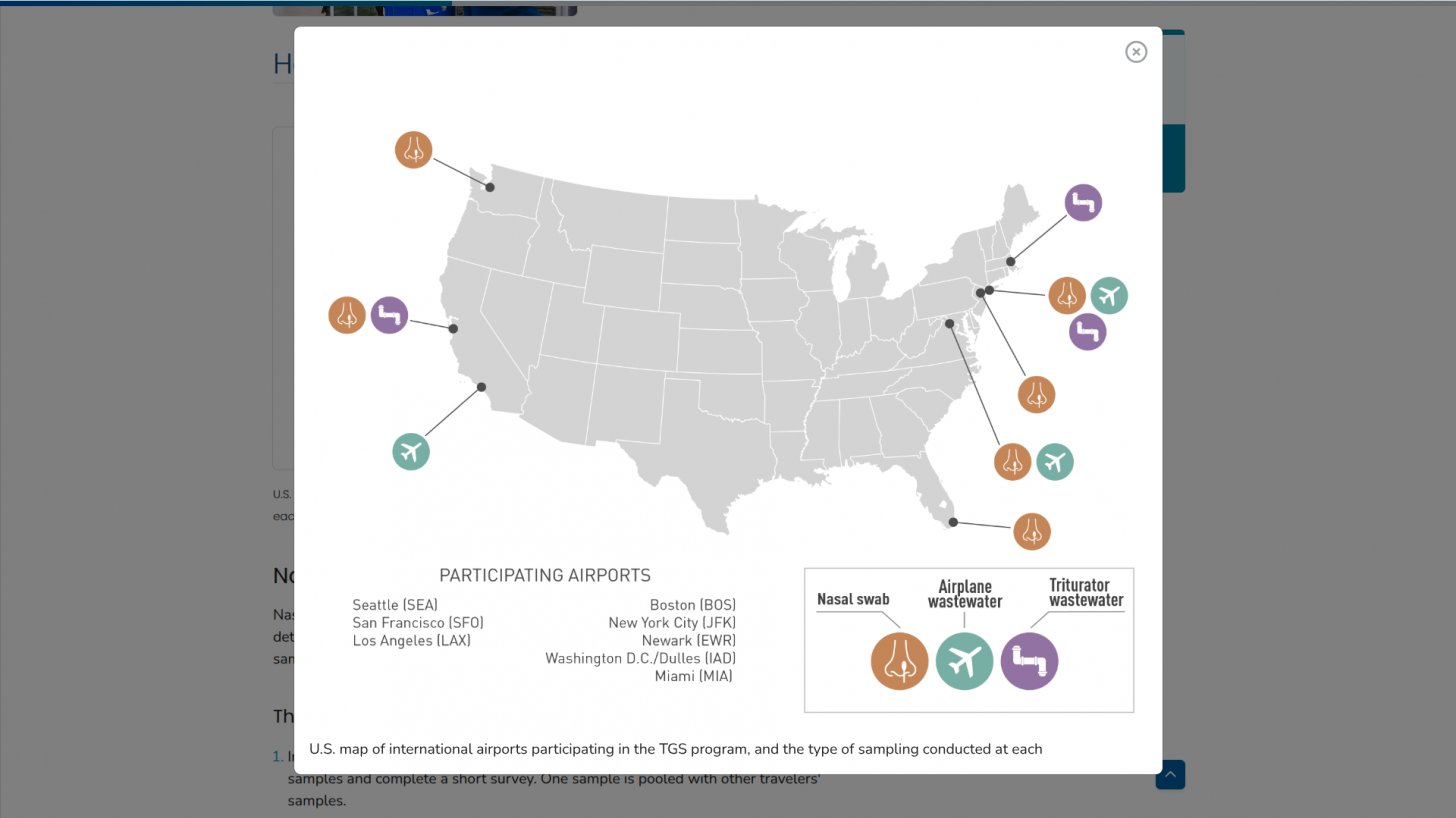
The U.S. Centers for Disease Control and Prevention (CDC) announced today that its Traveler-Based Genomic Surveillance (TGS) program has surpassed one million voluntary participants.
Since 2021, through voluntary, anonymous nasal sample collection from arriving international travelers at select United States airports, the program has provided early insights into emerging pathogens and variants, such as influenza, before they can spread widely within the country.
As of January 31, 2026, TGS is among the tools used by the U.S. government to strengthen disease surveillance and protect the American public.
"The United States is the world's leading authority in public health," said Jim O'Neill, HHS Deputy Secretary and Acting CDC Director, in a press release.
"The broad participation of travelers enhances our ability to safeguard the nation using tools that are developed, operated, and governed here at home, without reliance on unaccountable global bureaucracies."
The TGS program operates through public-private partnerships with organizations such as Ginkgo Biosecurity and XWell. These collaborations enable the CDC to generate rapid biosurveillance data when testing and sequencing information may be limited elsewhere in the world.
For instance, the program reported the first two detections of the influenza H3N2 subclade K to public repositories seven days following the publicly reported sequence, highlighting the value of early U.S.-based surveillance.
As of May 14, 2025, the CDC updated its TGS program data reporting to focus on individual traveler data rather than pools of multiple travelers. This shift allows for more granular insights into pathogens of public health concern.
In addition to nasal samples from travelers, the CDC has analyzed over 2,600 airplane wastewater samples as part of its broader biosurveillance efforts.
Additionally, the CDC uses Travel Health Notices in 2026 to inform travelers about global health risks during outbreaks, special events or gatherings, and natural disasters, and to provide advice about protective actions travelers can take to prevent infection or adverse health effects.
And for local travel vaccine advice in 2026, commercial travel clinics are located throughout the U.S.
For travel health public inquiries, contact the CDC [email protected].
Our Trust Standards: Medical Advisory Committee
-
Fact checked by Robert Carlson, MD