Will Western Indian Ocean Chikungunya Outbreaks Impact Other Countries in 2026

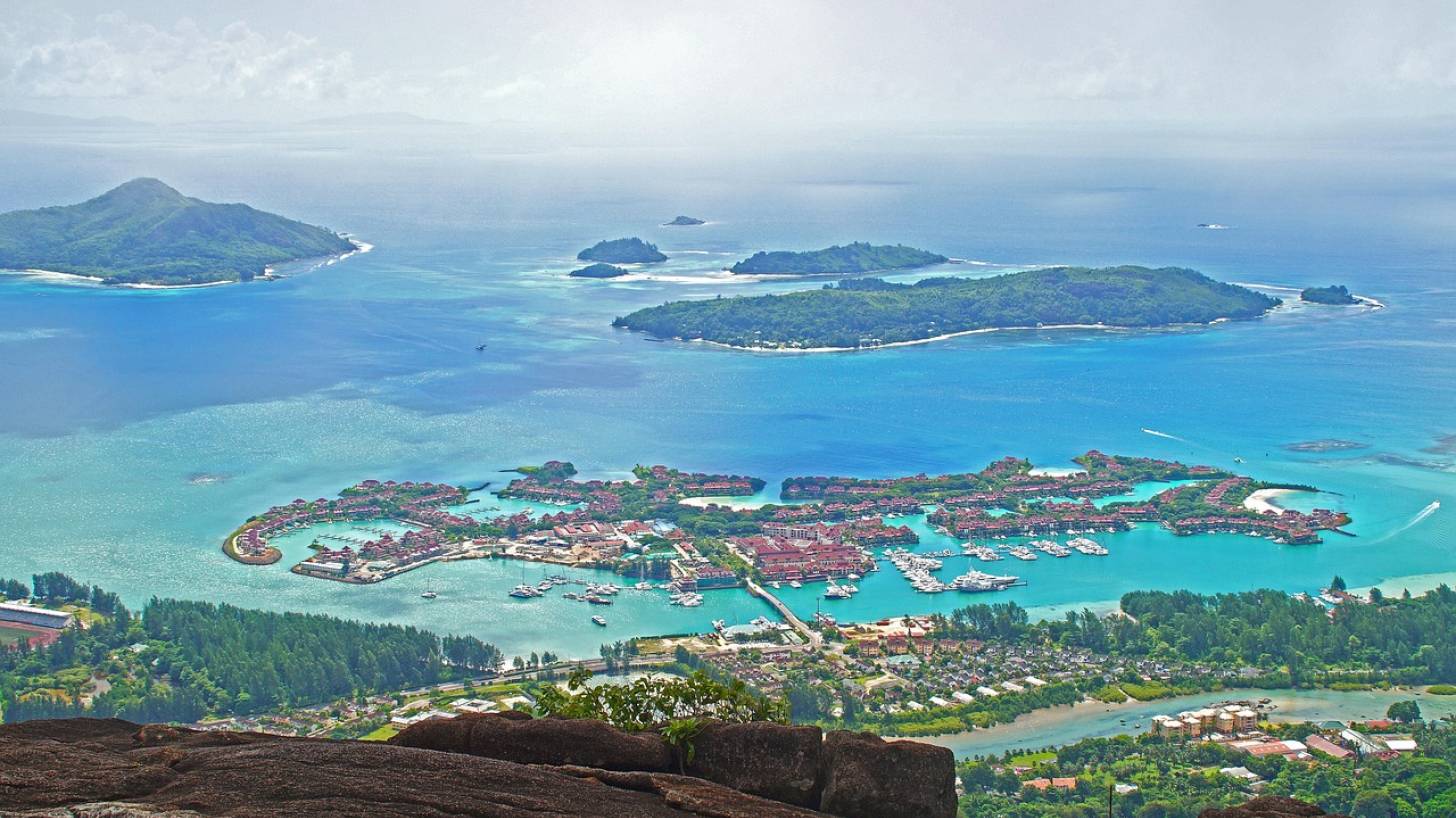
Health authorities in the Republic of Seychelles have confirmed the circulation of the chikungunya virus (CHIV) as cases continue to rise during the rainy season in the archipelago nation located 800 nautical miles east of mainland Africa.
The Seychelles Ministry of Health has issued an advisory on Facebook urging residents to intensify mosquito control efforts and seek medical attention for symptoms such as fever, joint pain, and rash.
This recent outbreak, which gained momentum in mid-December 2025, has prompted international travel alerts and reports of imported cases in multiple countries.
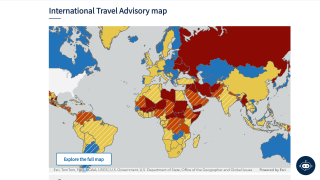
Specifically, the U.S. Centers for Disease Control and Prevention (CDC) upgraded Seychelles to a Level 2 Travel Health Notice on February 5, 2026, due to a chikungunya outbreak, advising travelers to take enhanced precautions when visiting the country.
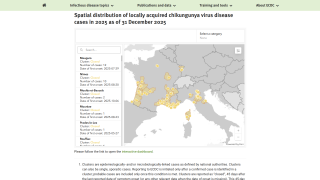
Between early December 2025 and late January 2026, surveillance networks documented at least nine confirmed and four probable cases among European travelers returning from Seychelles, indicating active local transmission.
While exact case numbers in Seychelles remain undisclosed in public reports, the rise in exported infections suggests significant community spread in the archipelago of 115 islands.
This outbreak in Seychelles follows a series of chikungunya epidemics across the Indian Ocean region in 2025, underscoring the virus's ongoing threat in tropical island settings.
The 2025 epidemic was fueled by a strain of the virus well adapted to the Aedes albopictus mosquito and possibly influenced by CHKV mutations such as A226V, which have been seen in previous outbreaks.
The resurgence began in late 2024 on Réunion Island, a French overseas department, where an outbreak rapidly escalated into one of the largest in recent years. By June 2025, Réunion reported over 54,000 confirmed cases and 45 deaths.
Neighboring islands also faced similar challenges.
Mayotte and Mauritius experienced surges, with Mauritius reporting cases that led to imported infections among travelers returning from countries such as South Africa. Madagascar and Comoros also reported outbreaks, contributing to a broader regional crisis.
Hong Kong confirmed two imported cases among individuals who visited Seychelles in late January, both of whom experienced symptoms shortly after returning. Germany also reported two laboratory-confirmed cases in travelers from the Mahé and La Digue islands in January 2026.
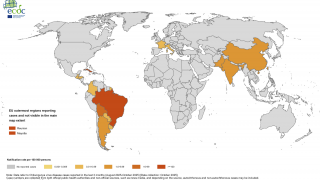
The World Health Organization noted that the Indian Ocean islands, along with parts of Southeast Asia, accounted for a significant portion of global chikungunya cases in 2025, with over 445,000 reported worldwide—a substantial increase from previous years.
The CHKV spread extended beyond tropical regions, reaching the United States in 2025 and 2026, with Florida leading the way.
While there is no specific treatment, the recent approval of CHKV vaccines has offered some hope of reducing these outbreaks.
The CDC's alert recommends that international travelers speak with a local travel vaccine expert before visiting areas with chikungunya outbreaks in 2026.
Our Trust Standards: Medical Advisory Committee
-
Fact checked by Robert Carlson, MD