China Releases Millions of Modified Mosquitoes to Reduce Chikungunya Outbreak

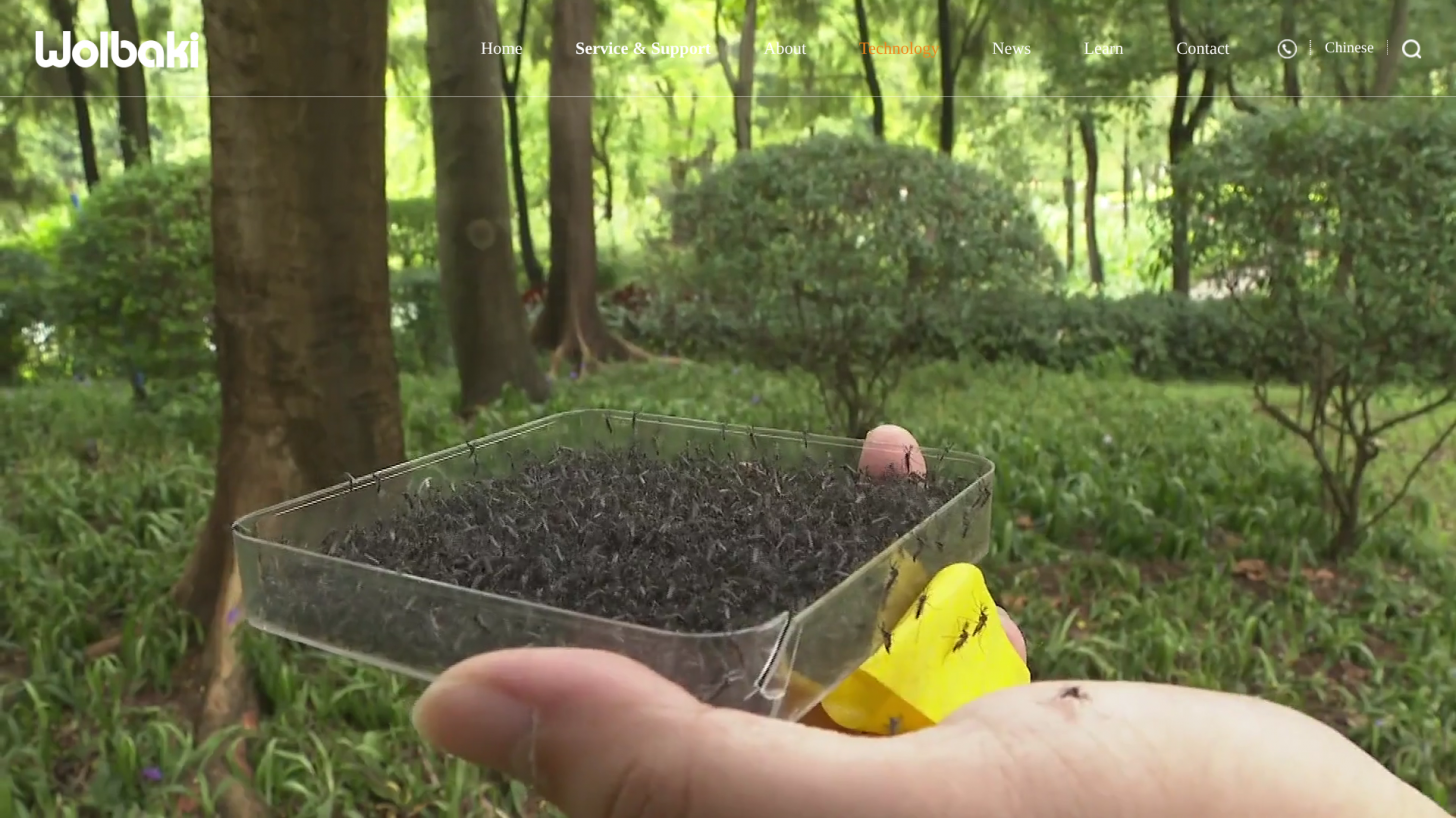
Amid an expanding outbreak of the chikungunya virus in southeast China, the Guangzhou Wolbaki Biotech Co., Ltd. facility is working to produce five million sterile male mosquitoes per week to disrupt the reproduction chain of disease-carrying mosquitoes.
According to the Company's website on August 14, 2025, the mosquitoes it cultivates are Wolbachia-infected "sterile males" at the mosquito factory.
When these males mate with uninfected wild females, their eggs fail to develop due to a phenomenon known as cytoplasmic incompatibility, rendering them nonviable and unable to hatch into larvae.
Wolbaki first screens for females that stably carry the Wolbachia strain and establishes a colony. After mass breeding, hundreds of thousands of infected males are periodically released into targeted areas.
Since female mosquitoes typically mate only once in their lifetime, a single encounter with a "sterile male" renders all subsequent egg-laying ineffective. This means that with continuous releases over a few generations, the mosquito population in the area can be significantly decreased.
Under normal circumstances, this technology can reduce mosquito numbers by half within three weeks and sharply decline wild mosquito densities by over 80% within six to eight weeks.
More ingeniously, this bacterium is passed down maternally.
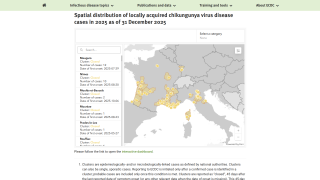
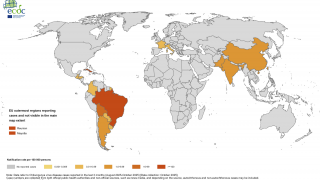
Currently, the U.S. CDC has issued a Travel Health Advisory focused on China's chikungunya outbreak, which has reached tourist favorite destinations of Hong Kong and Macau.
The CDC recommends that visitors to this area of China speak with a travel vaccine expert about immunization options before departing abroad in August 2025.
Our Trust Standards: Medical Advisory Committee
-
Fact checked by Robert Carlson, MD