Smart Travelers Avoid Disaster Areas When On Vacation

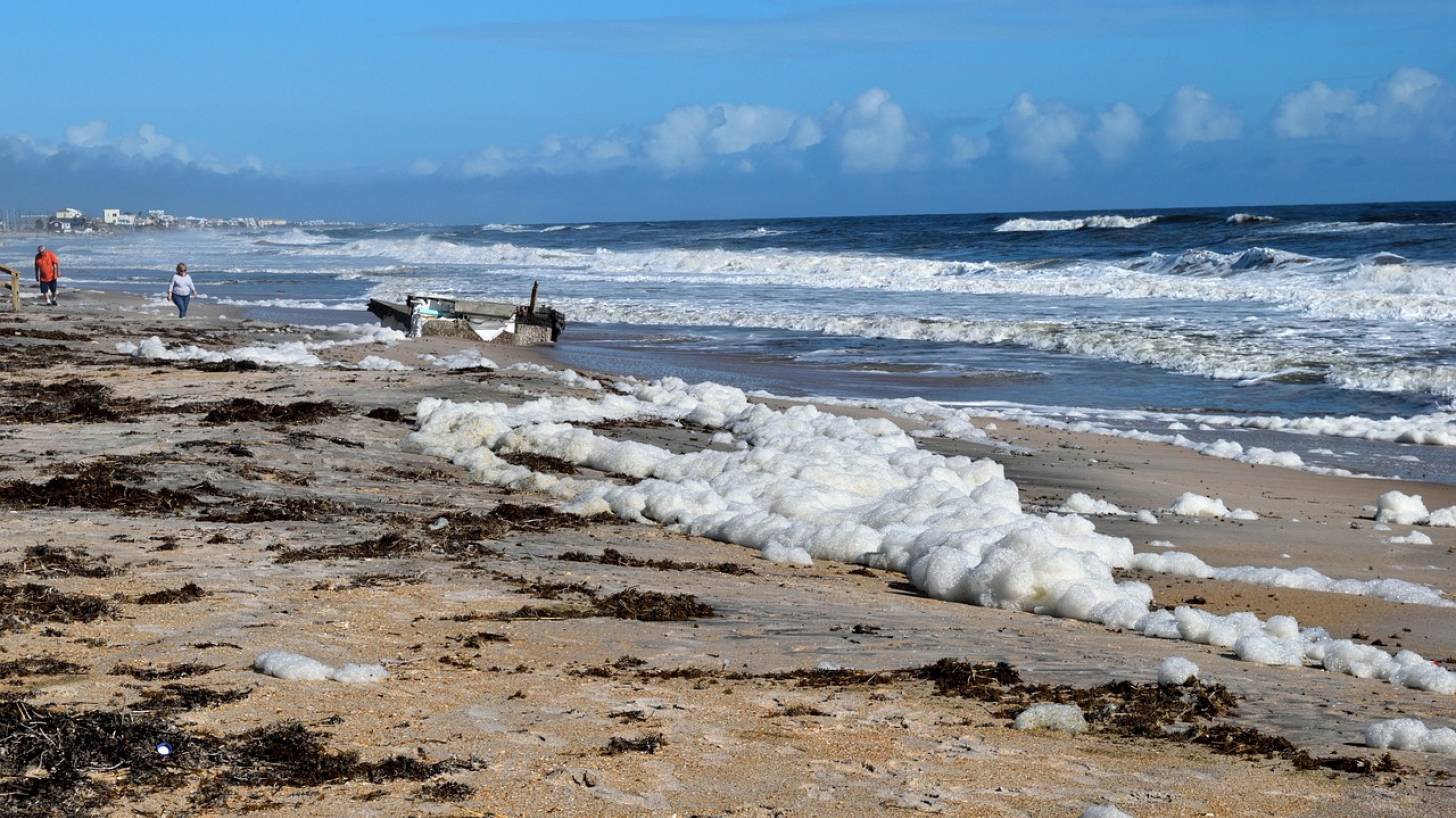
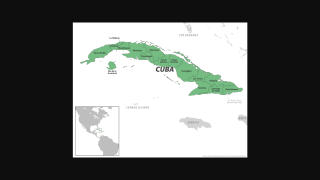
Unexpected natural hazards, such as hurricanes, pose significant challenges for those planning a winter vacation to the Caribbean in 2025.
While the immediate disruptions to essential services at a resort can be overcome, the risk of infectious diseases following a severe storm becomes an unwanted variable.
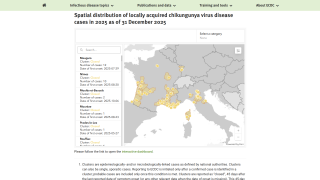
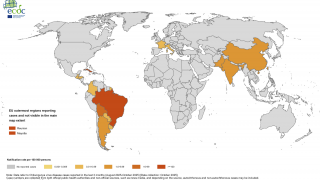
Since post-storm water puddles increase mosquito breeding, diseases such as Chikungunya, Dengue, Malaria, and even Zika could be lurking with every insect bite.
On December 11, 2025, the UK's Travel Health Pro offered several essential tips for travelers. If you plan to visit areas affected by a natural hazard, you should consider whether travel is necessary. If you must travel to the affected area:
Follow the Foreign, Commonwealth and Development Office (FCDO) travel advice, such as:
Look at hazard-specific advice for the destination, for example, what to do in the event of a storm, so you understand local advice during and after an emergency.
Be aware of potential disruptions to healthcare services and pack essential medicines, including any regular prescriptions, and a basic first aid kit.
Follow local authority instructions and avoid areas marked as unsafe.
And most importantly, use strict bite avoidance measures to reduce the risk of mosquito-transmitted viruses.
Furthermore, if you have visited an area affected by a natural hazard and feel unwell upon returning home, contact your healthcare provider.
Remember, symptoms of certain infections, including malaria, can appear up to a year after being in a risk area. If you were given malaria medicine, make sure you complete the course as directed, says the FCDO.
When departing from the United States, government agencies are excellent sources of information.
The U.S. CDC publishes Travel Health Notices that identify at-risk areas from a disease perspective.
If you have questions about preventive vaccines or medications, the CDC suggests speaking with a local travel advisor.
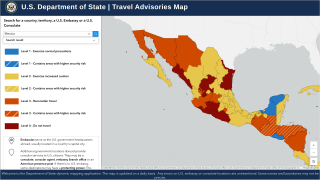
Additionally, the U.S. Department of State Travel Advisories describes the risks and recommended precautions for citizens when visiting a foreign destination.
The State Department says if you are traveling outside the U.S, you should enroll in the Smart Traveler Enrollment Program. It is a free service that sends you email updates and alerts from U.S. embassies and consulates abroad.
Our Trust Standards: Medical Advisory Committee
-
Fact checked by Robert Carlson, MD