Polio Detections in 2026 Highlight Persistent Global Health Threat

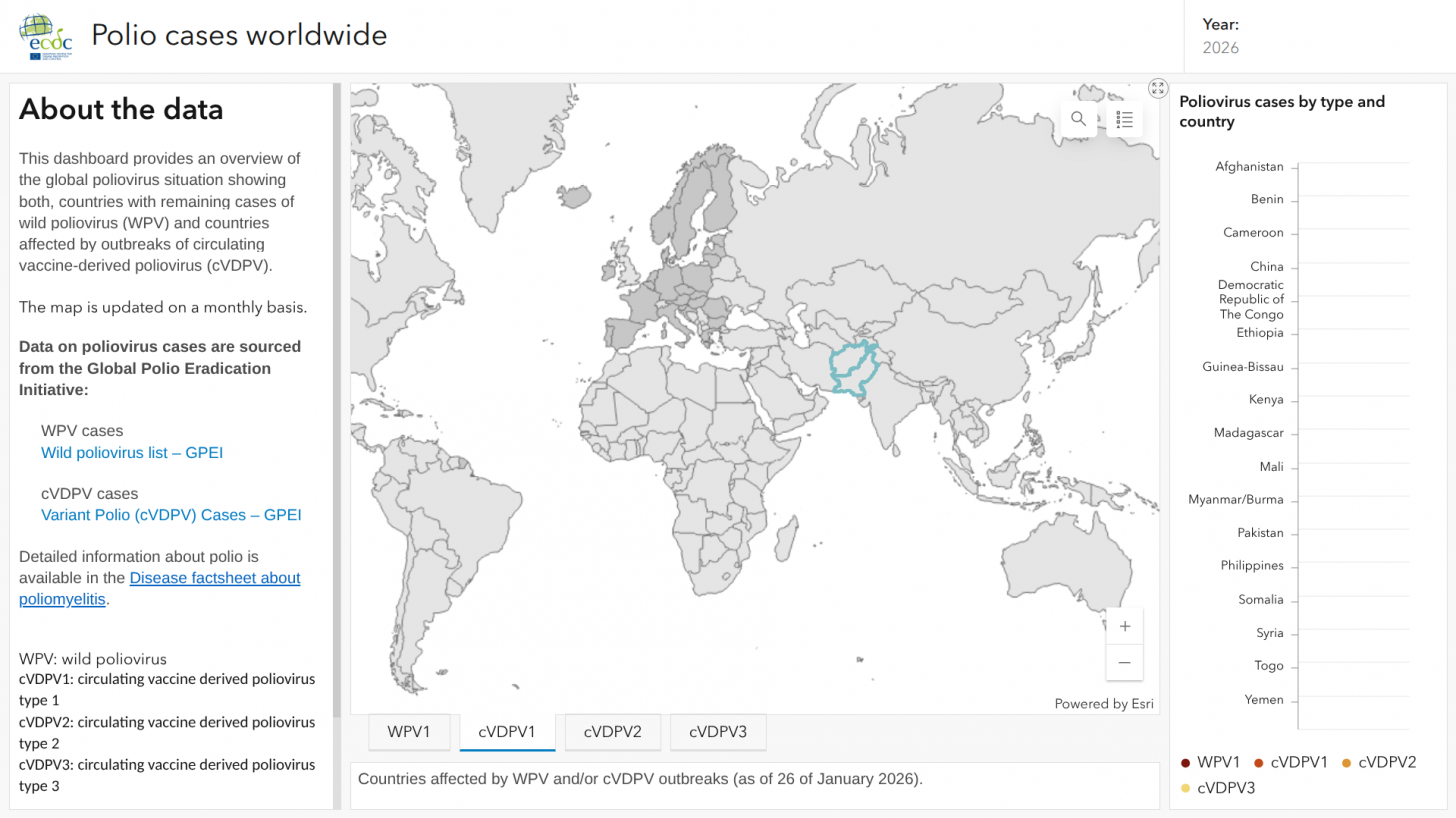
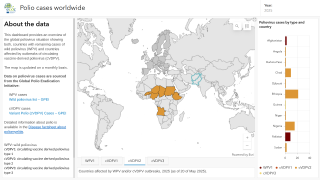
In a stark reminder that the fight against polio is far from over, several countries reported new cases of the crippling disease in 2026, according to the latest update from the Global Polio Eradication Initiative (GPEI).
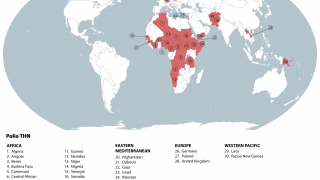
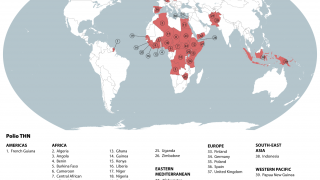
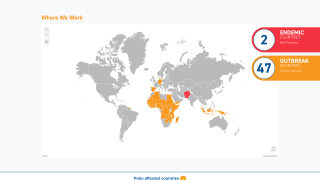
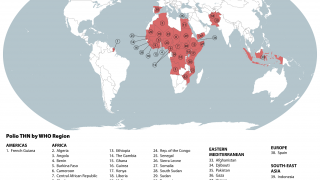
Afghanistan and several African countries confirmed polio cases in the past seven days, pushing concerns about potential outbreaks in regions with fragile health systems.
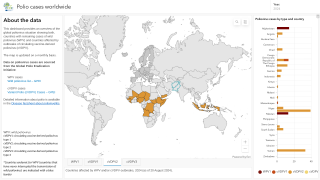
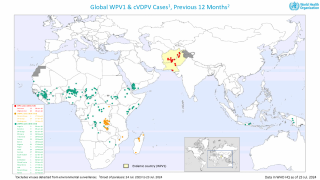
In Afghanistan, the reported case involved wild poliovirus type 1 (WPV1), a highly contagious strain that can cause permanent paralysis. The patient brought the country's total for that year to 10.
The detections come amid ongoing warnings from the World Health Organization (WHO) and the U.S. Centers for Disease Control and Prevention (CDC) about the continued global health risk posed by poliovirus, particularly to international travelers.
The WHO has maintained its declaration of polio as a Public Health Emergency of International Concern since 2014, citing the virus's ability to spread rapidly across borders. In its most recent assessment, the organization emphasized that "the risk of international spread remains high," urging countries to strengthen surveillance and vaccination efforts.
Similarly, the CDC has issued Level 2, Practice Enhanced Precautions, Travel Health Notice for several polio-affected regions, advising travelers to be fully vaccinated against the disease at least four to six weeks before departure.
"Polio vaccination is crucial for anyone traveling to areas with active transmission," a CDC spokesperson stated, highlighting that unvaccinated or under-vaccinated individuals, including adults, are at heightened risk.
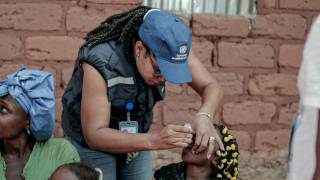
Vaccination is central to the global effort to eradicate polio, with two key vaccines playing essential roles in 2026: the inactivated polio vaccine (IPV) and the novel oral polio vaccine type 2 (nOPV2).
These vaccines work together: IPV provides individual protection, while nOPV2 stops community transmission in outbreak zones.
The IPV, also known as the Salk vaccine, is an injected vaccine that uses inactivated poliovirus to provide strong immunity against all three types of poliovirus. It is routinely used in the United States and many high-income countries and is included in most nations' immunization schedules.
As of 2026, IPV supplies through UNICEF and partners such as Gavi are stable, with average prices of around $1.72 per dose.
Many countries, including the U.S., have expanded their schedules to include a second (booster) dose of IPV.
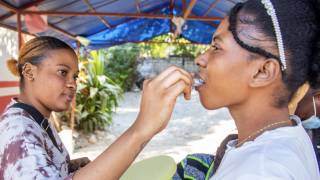
And the nOPV2 is a live-attenuated vaccine administered as oral drops, specifically targeting type 2 poliovirus.
It was developed to tackle outbreaks of circulating vaccine-derived poliovirus type 2 (cVDPV2) with greater genetic stability—reducing the risk of reverting to a virulent form.
Following its rollout in 2021, nOPV2 received complete WHO prequalification in late 2023. By late 2025, over 2 billion doses had been administered, primarily in outbreak-prone areas. In 2026, it remains the vaccine of choice for cVDPV2 outbreaks.
For travelers, the WHO and the U.S. CDC recommend polio vaccination due to the global risk of polio. Adults who completed a routine polio series can receive a lifetime booster dose of IPV before traveling to areas with active transmission.
Children should follow appropriate vaccination schedules, and proof of vaccination may be required for entry or exit from certain countries.
With ongoing outbreaks in regions such as Afghanistan and across Africa, complete vaccination is crucial, especially before international travel, the WHO says.
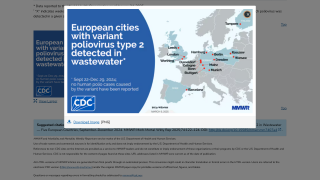
For example, in the United Kingdom, a new cVDPV2 detection in an environmental sample was confirmed by GPEI around January 28, 2026.
While the nOPV2 vaccine is unavailable in the U.S. in 2026, travelers are advised to check the CDC's travel health website for updated notices and consult travel vaccine experts about IPV booster shots if needed.
With polio just a plane ride away, global vigilance remains essential to prevent a resurgence of this once-widespread disease, the GPEI adds.
Our Trust Standards: Medical Advisory Committee
-
Fact checked by Robert Carlson, MD