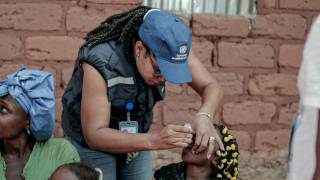
Global Polio Risk Remains for Three Months

The World Health Organization (WHO) announced today that the 43rd meeting of the Emergency Committee, established under the International Health Regulations to address the international spread of poliovirus, was held in October 2025.
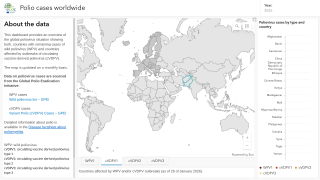
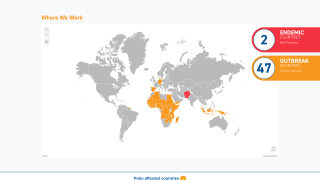
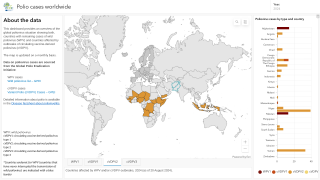
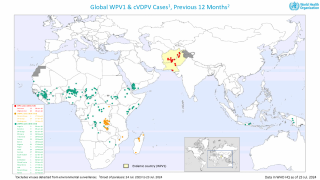
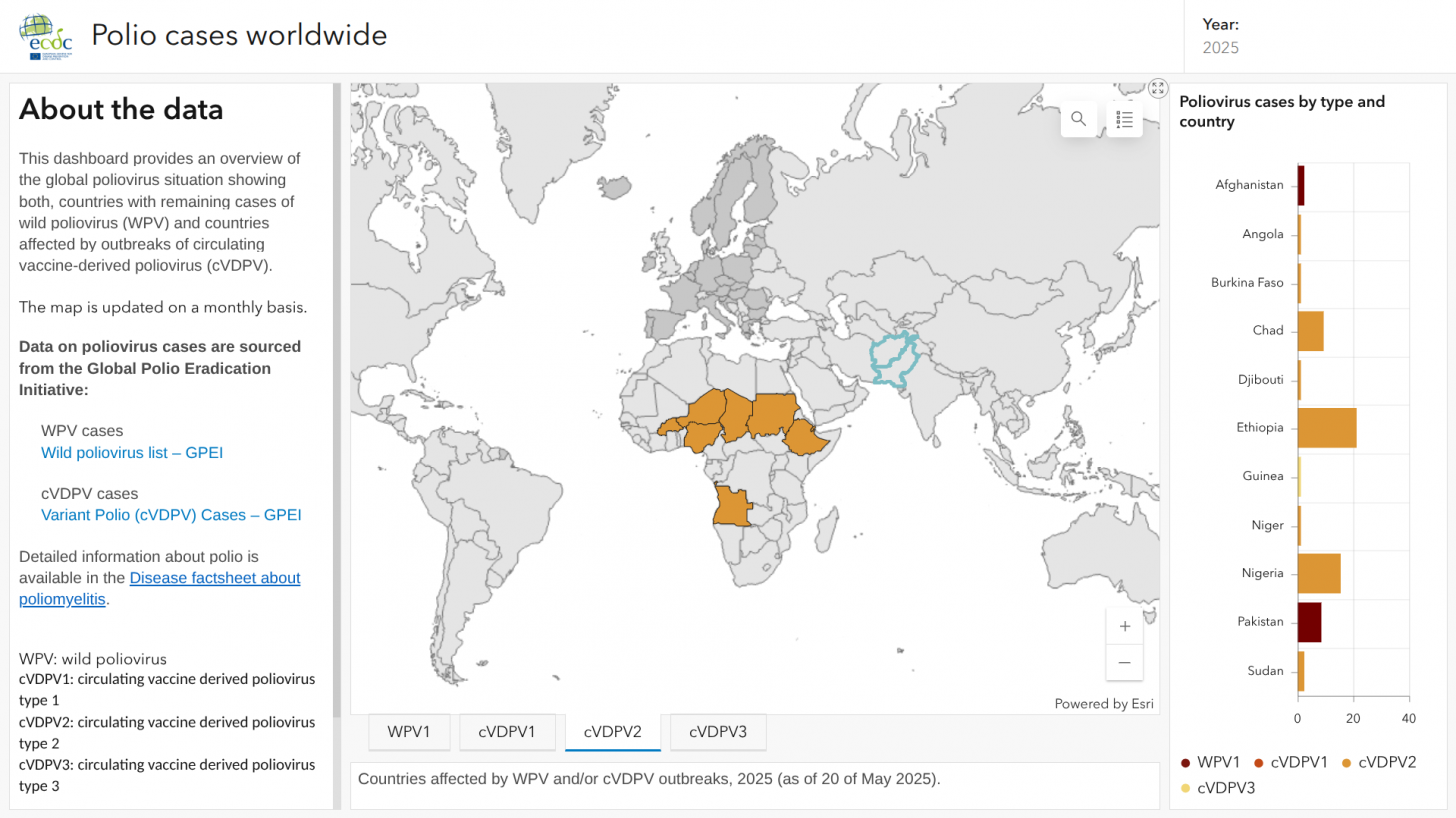
During this meeting, the Emergency Committee reviewed data on wild poliovirus type 1 in Afghanistan and Pakistan, as well as circulating vaccine-derived polioviruses in various countries.
As of November 11, 2025, the Committee unanimously concluded that the risk of international spread of poliovirus still qualifies as a Public Health Emergency of International Concern.
After a comprehensive assessment of the epidemiological and programmatic situation, the WHO committee recommended extending the Temporary Recommendations for an additional three months.
Furthermore, the Committee unanimously concluded that this event does not constitute a 'pandemic emergency.'
Regarding what actions countries can do to protect their populations, the WHO wrote, 'Many countries have weak immunization systems that humanitarian emergencies, including conflict and protracted complex emergencies, can further impact.'
'This growing vulnerability leaves populations in fragile states at increased risk of polio outbreaks.'
Previously, in October 2025, the WHO and the Global Polio Eradication Initiative introduced a new tool to support planning and implementation efforts to achieve the eradication of wild poliovirus type 1 and the elimination of circulating vaccine-derived poliovirus type 2, as outlined in its Polio Eradication Strategy.
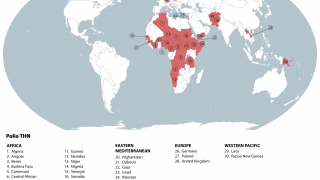
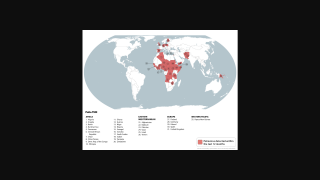
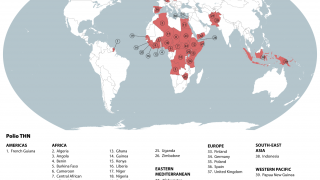
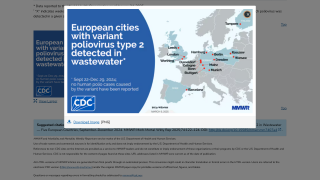
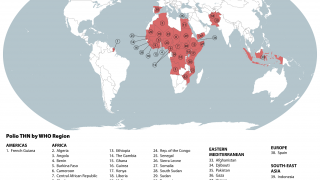
To alert international travelers to this health risk, the U.S. CDC reissued a Travel Health Notice in August 2025, identifying 39 countries that have reported poliovirus detections in the past year.
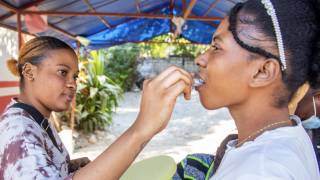
In many countries, the nOPV2 vaccine has been administered about 2 billion times since 2020.
The CDC recommends that before visiting these at-risk areas, travelers should ensure their IPV polio vaccinations are up to date, including a potential booster dose for some adults.
Our Trust Standards: Medical Advisory Committee
-
Fact checked by Robert Carlson, MD