Fasting and Vaccinations Clarified for Ramadan 2026

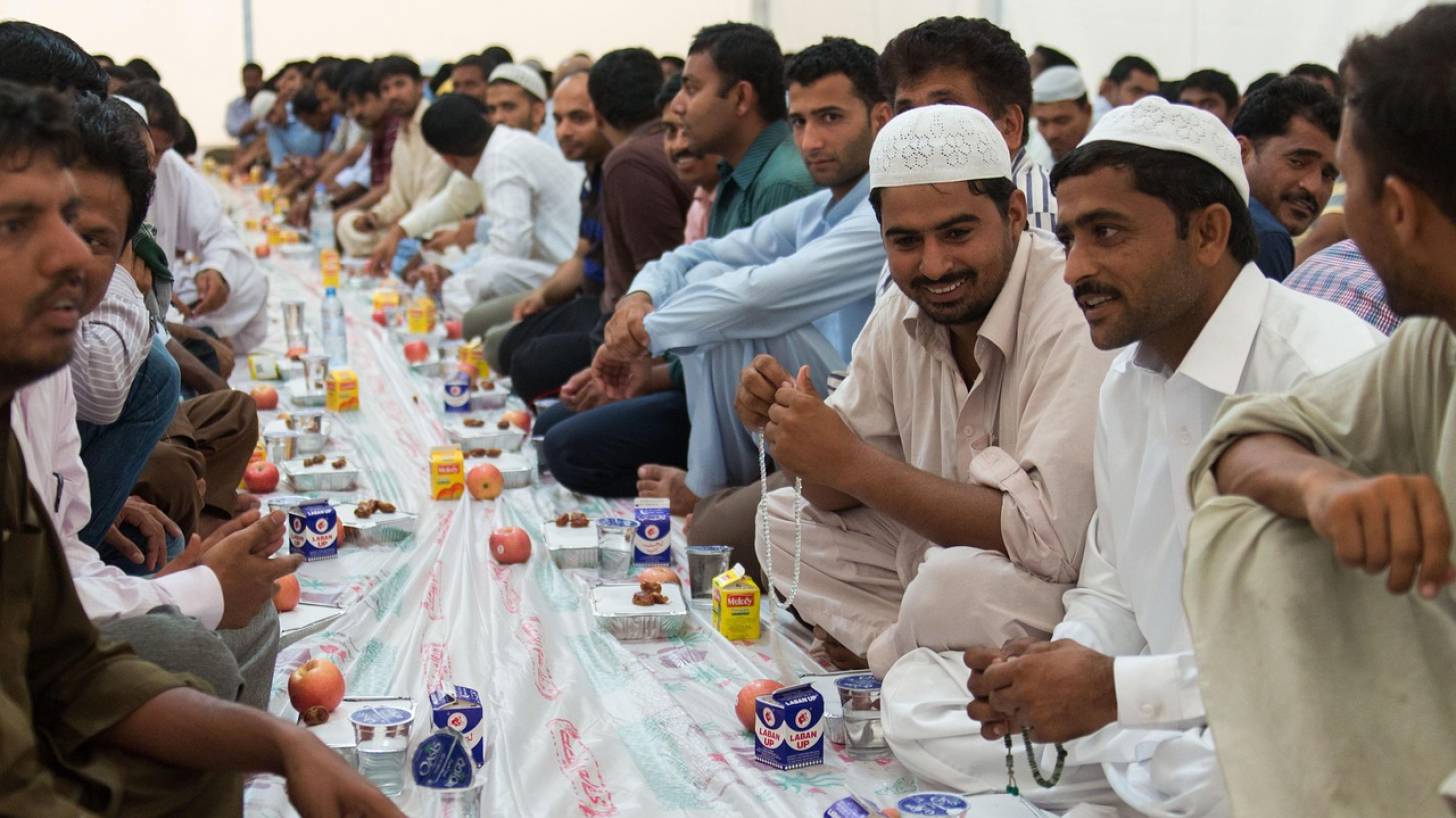
Ramadan is a sacred month for Muslims, during which many travel to visit family or perform Umrah in Mecca and Medina, located in the Kingdom of Saudi Arabia.
As Muslims worldwide anticipate the start of Ramadan 2026 on February 17, questions arise regarding daily fasting and vaccinations.
According to the Mayo Clinic, the consensus among Islamic scholars is that receiving a vaccine does not break a fast. Therefore, it is entirely acceptable to receive any recommended vaccinations during the day while fasting.
This perspective is based on the fact that vaccines are injected into the muscle and possess no nutritional value; they do not break the fast.
Additionally, when visiting Saudi Arabia in 2026, certain vaccinations will be mandatory. The UK Foreign, Commonwealth and Development Office (FCDO) highlights the vaccination requirements for both Hajj and Umrah.
The quadrivalent meningococcal vaccine (MenACWY, which protects against meningococcal types A, C, W, and Y) is required for all pilgrims aged 1 year and older performing Umrah or Hajj.
Proof of vaccination administered at least 10 days before arrival and valid for 3–5 years, depending on the vaccine type, must be provided for visa approval and entry into the country.
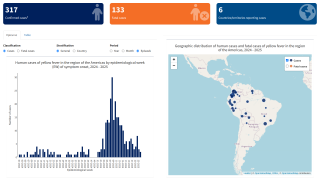
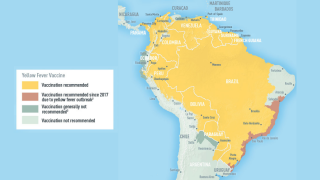
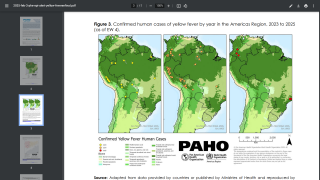
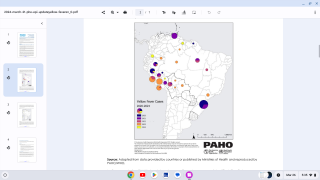
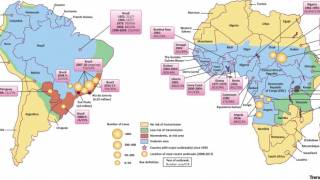
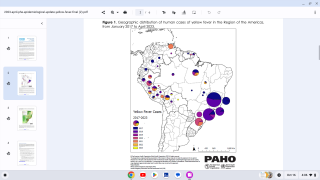
Other requirements may include polio vaccination and, in some cases, the yellow fever vaccine if arriving from a risk area.
Seasonal influenza is strongly recommended, particularly for high-risk groups.
Always verify the latest requirements directly via the official Saudi Ministry of Health guidelines, TravelHealthPro, or your visa application process, as rules can change.
Consult your travel vaccine provider early—even for last-minute travel tips—to ensure you receive any required or recommended vaccines well in advance (ideally 4–6 weeks before departure).
If you have medical conditions, discuss your plans with your doctor and carry any necessary medications. Ensure you have comprehensive travel health insurance covering all pre-existing conditions.
During your trip, respect those who are fasting by avoiding eating, drinking, and smoking in public during the day. If fasting, plan to arrive before Ramadan starts and eat balanced meals at Suhoor and Iftar. Stay hydrated when not fasting.
To reduce health risks, practice personal safety, maintain good hygiene, avoid insect bites, and use sun protection. After your trip, seek medical attention if you feel unwell, especially if you visited areas at risk of malaria. And complete any prescribed malaria medication and report any severe symptoms to your doctor.
Follow health guidelines for respiratory symptoms after returning, the FCDO says.
Our Trust Standards: Medical Advisory Committee