Women at the Heart of Care, Protecting the Next Generation

On World Chagas Disease Day, the Pan American Health Organization (PAHO) and the Global Chagas Coalition are calling for stronger action against this neglected tropical disease.
They emphasize the critical role of women in early detection, prevention, and care of Chagas disease.
Announced on April 13, 2026, this year's theme, "Women at the Heart of Care: Protecting the Next Generation," highlights the vital role women play in promoting family and community health, especially during pregnancy, as an important opportunity to disrupt disease transmission.
Chagas disease is caused by the parasite Trypanosoma cruzi and is primarily transmitted by triatomine bugs (commonly known as kissing bugs). It can also spread through contaminated food or drink, blood transfusions, organ transplants, or from mother to child.
The infection often shows no symptoms in its early stages, but can lead to severe cardiac and digestive complications many years later if left untreated.
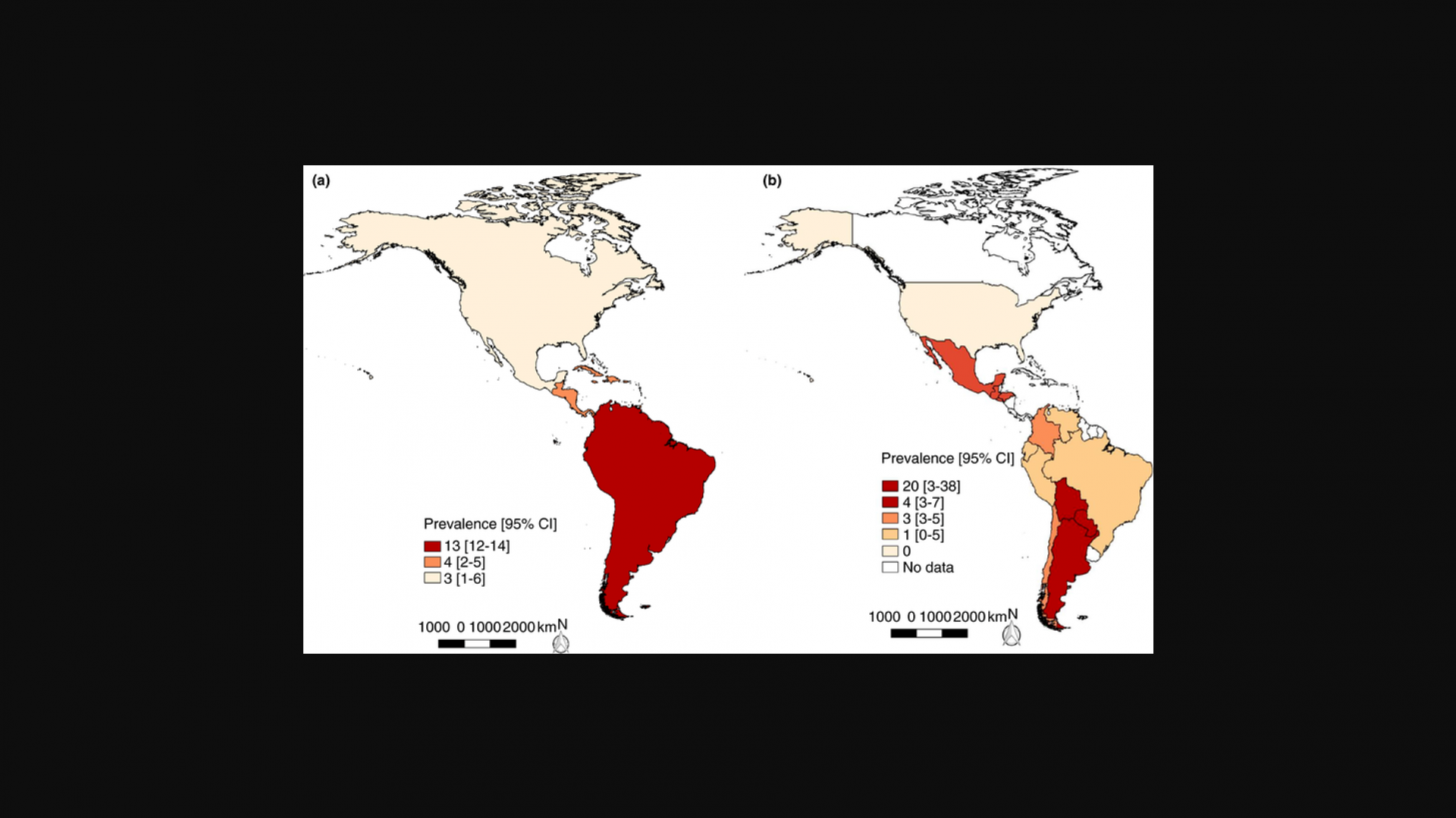
According to PAHO data from the 21 endemic countries in the Americas:
Approximately 7.5 million people live with the infection.
More than 100 million are at risk.
Between 2% and 8% of infected pregnant women transmit the parasite to their babies, causing an estimated 9,000 new congenital cases annually in the region.
Around 30,000 new cases and 10,000 related deaths occur each year.
The disease imposes an annual economic burden of about $500 million and results in the loss of approximately 770,000 disability-adjusted life years.
"Eliminating Chagas disease as a public health problem requires placing women at the center of diagnosis, treatment, and care strategies," said Dr. Jarbas Barbosa, PAHO Director.
"Ensuring timely access to quality health services, particularly for women of reproductive age, is essential to prevent new infections and work towards the elimination of congenital Chagas disease in the Region of the Americas."
Migration and demographic shifts have elevated non-vector transmission, particularly mother-to-child (congenital) transmission.
"he role of women in the fight against Chagas must not and should not translate into an additional burden or exclusive responsibility for them," said organizations from the Secretariat of the Global Chagas Coalition.
Congenital Chagas is a key target within PAHO's Elimination Initiative, which aims to eliminate more than 30 diseases and conditions in the Americas by 2030, and to cure 90% or more of infected newborns.
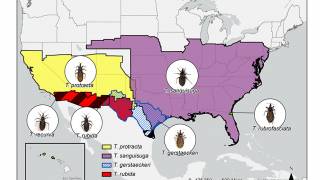
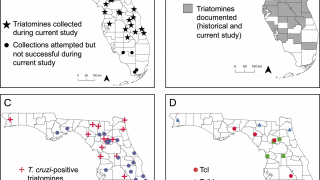
The U.S. CDC estimates that approximately 280,000 to 300,000 people in the United States are living with Chagas disease, the majority infected abroad, though many cases remain undiagnosed. Locally acquired cases have been documented in eight states: Arizona, Arkansas, California, Louisiana, Mississippi, Missouri, Tennessee, and especially Texas.
A systematic review identified 29 confirmed and 47 suspected locally acquired cases between 2000 and 2018.
In Texas, where Chagas became reportable in 2013, health officials documented 50 probable and confirmed autochthonous cases from 2013 to 2023. In 2025, Texas reported 22 human cases (imported and locally acquired).
Vaccine research for Chagas disease has seen steady progress in recent years, but it remains firmly in the preclinical and early clinical stages.
As of April 2026, no preventive or therapeutic vaccine against Trypanosoma cruzi (the parasite that causes Chagas disease) has been licensed for human use by regulatory authorities such as the U.S. FDA or EMA.
The Global Chagas Coalition is a collaborative alliance of multiple organizations dedicated to raising awareness, advocating, and supporting efforts to reduce the human suffering caused by Chagas disease.
Our Trust Standards: Medical Advisory Committee