Is Chagas Disease Endemic in the USA

Researchers from Texas A&M University, the University of Florida, and the Texas Department of State Health Services recently stated that the time is now to recognize Chagas disease as endemic in the United States.
The multi-institutional team's perspective article, published in the September volume of the Centers for Disease Control and Prevention's (CDC) Emerging Infectious Diseases, highlights growing evidence that suggests endemic transmission.
The CDC defines "endemic" as the constant presence or usual prevalence of a disease or infectious agent within a population in a specific geographic area. The research team emphasizes that reclassifying Chagas from non-endemic to endemic is crucial for improving awareness, diagnosis, and surveillance.
Chagas disease, or American trypanosomiasis, is caused by the parasitic protozoan Trypanosoma cruzi, which is transmitted through congenital, oral, and vectorborne routes; vectorborne infections result from contact with the feces of infected triatomine insects (kissing bugs).
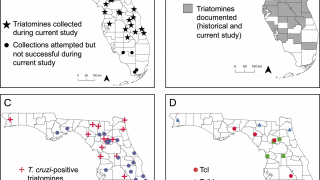
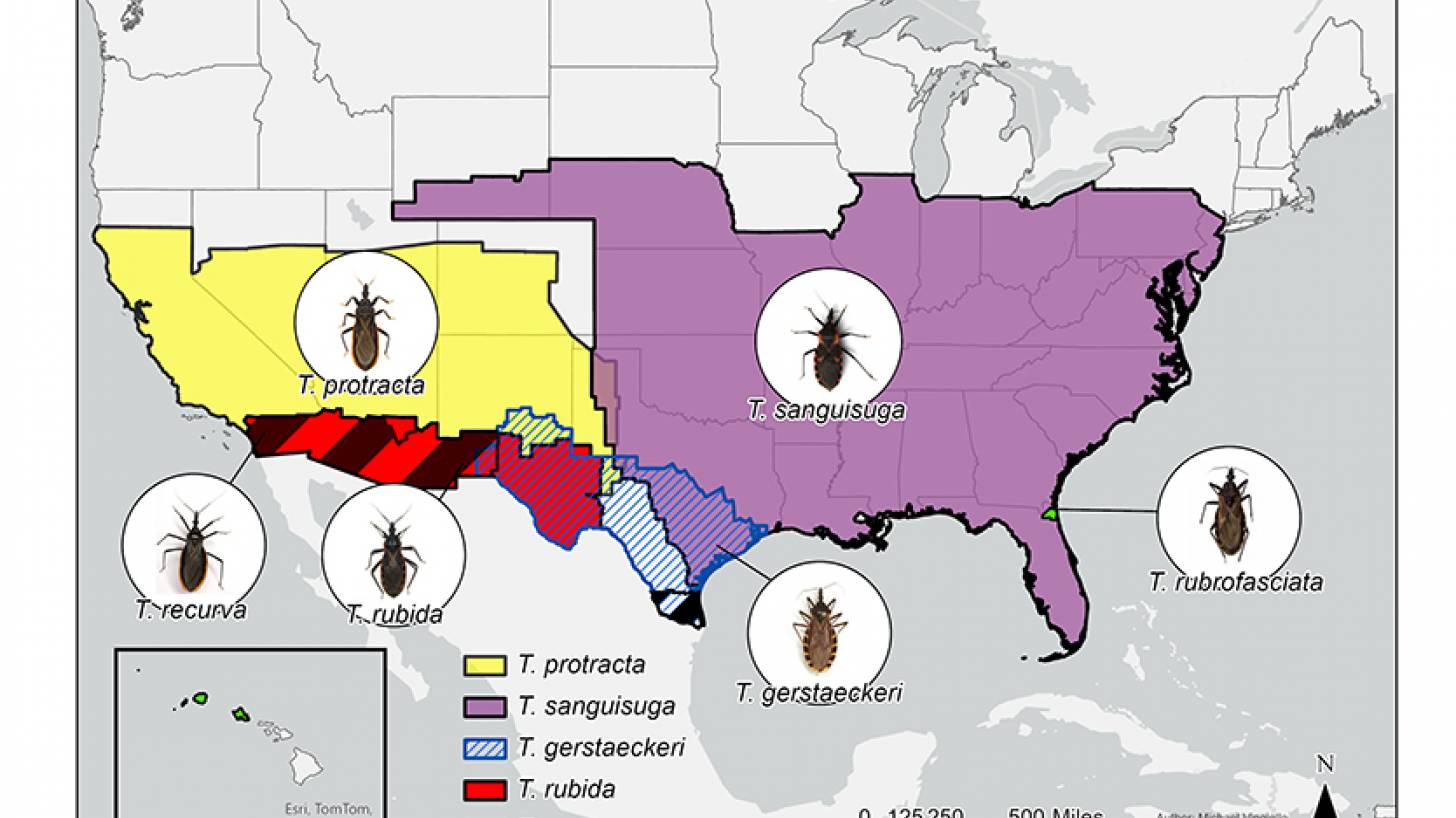
Blood-sucking triatomines are confirmed in thirty-two U.S. states.
Eight states in the southern U.S. have documented human T. cruzi infections, and therefore, locally acquired Chagas disease.
Texas leads the nation in the number of locally acquired Chagas disease cases.
"The biggest need is awareness, and that is the focus of our publication to share the scientific perspective that Chagas disease is endemic in the U.S.," said Dr. Gabriel Hamer, of Texas A&M's Department of Entomology, in a media release on September 11, 2025.
"Too often, medical and veterinary training programs dismiss Chagas as only a tropical disease and irrelevant to public and animal health in the U.S.
"But kissing bug vectors, the parasite, and locally acquired human cases are here. Our next generation of doctors and veterinarians must be aware of this vector-borne disease to assist with the diagnosis of humans and animal patients."
Hamer said Chagas disease's inaccurate classification downplays the risk it poses in the U.S. and creates a false sense of security among people and public health officials. "The reality is the vectors are here, the parasite is here, and infections do occur," he said. "Public health messaging should reflect the science so communities and professionals can respond appropriately."
According to the Pan American Health Organization, this disease is endemic in 21 countries and affects 6 million people in the Americas.
As of September 18, 2025, no vaccines are available to prevent this disease.
In January 2025, an update on vaccines against Trypanosoma cruzi and Chagas Disease (CD) was published by the journal Pathogens.
This article suggests that vaccine efficacy may depend heavily on the induction of a robust Th1 response for the clearance of intracellular pathogens, such as T. cruzi. In this review, updated information on efforts to develop a vaccine against CD is provided.
Our Trust Standards: Medical Advisory Committee
-
Fact checked by Robert Carlson, MD