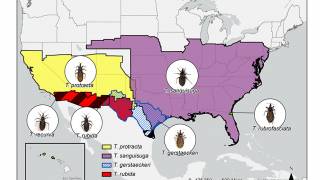
Chagas Disease Outbreak Risk Identified in 12 Florida Counties

Researchers from the University of Florida's Emerging Pathogens Institute (EPI) and Texas A&M University recently discovered that local kissing bugs in Florida are carrying the parasite that causes Chagas disease, which can be fatal to humans.
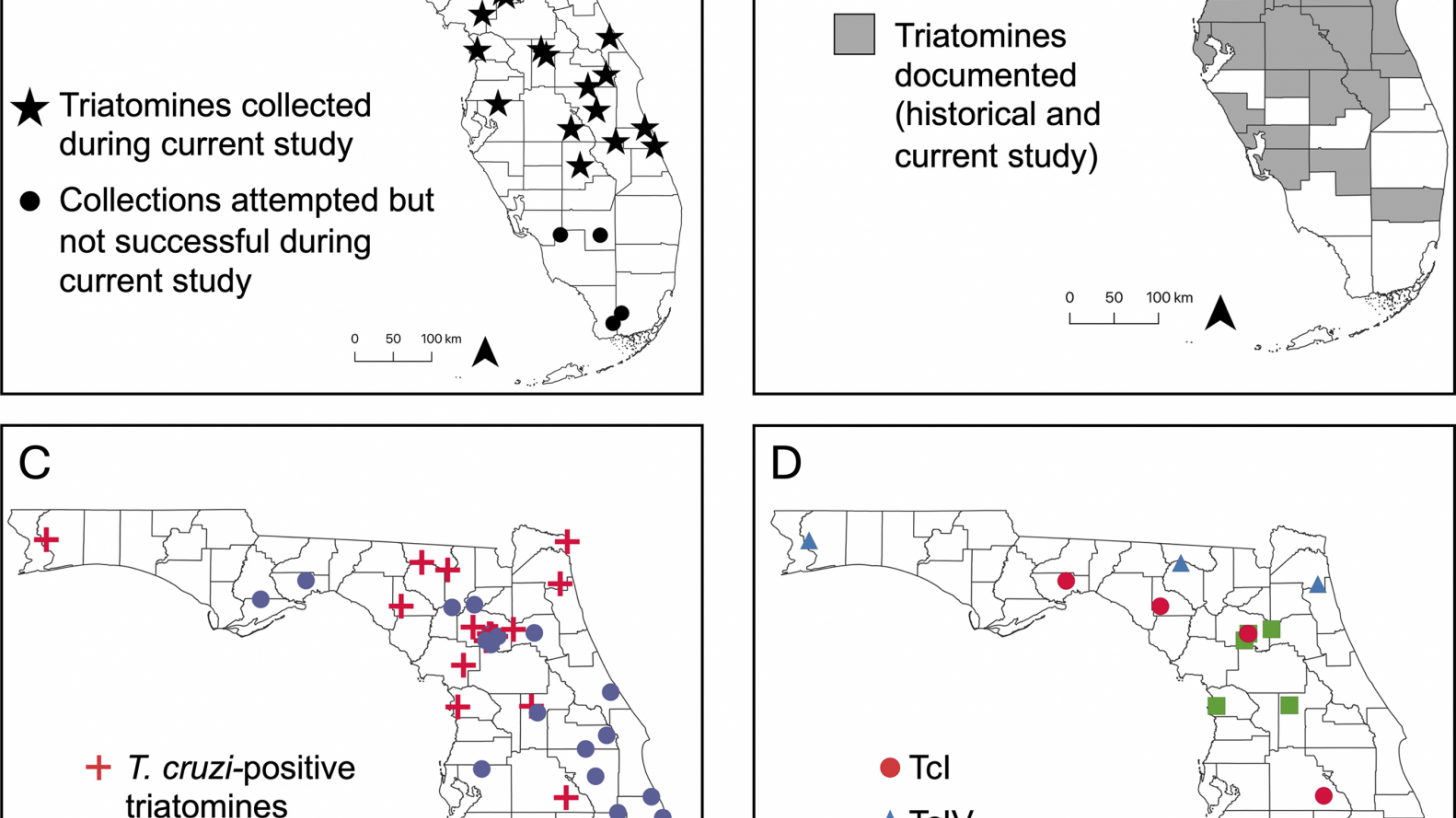
This ten-year study, published on July 7, 2025, in the Public Library of Science Neglected Tropical Diseases, involved the collection of over 300 kissing bugs from 23 counties across Florida.
Interestingly, more than one-third of the bugs were found in people's homes.
The parasite Trypanosoma cruzi, responsible for Chagas disease, was detected in 30% of the tested bugs, with infections identified in 12 of the 23 Florida counties studied.
These findings indicate Chagas disease has secured a foothold in the U.S.
In a press release, EPI member Norman L. Beatty, M.D., the study's co-first author, has dedicated his research program to studying Chagas disease, which can affect the heart and other organs with devastating consequences.
"We've done the groundwork to show that we have a vector in our state that is harboring a parasite, invading homes and feeding on humans and our pets," stated Dr. Beatty.
Adult kissing bugs typically live in wood piles and feed on blood from people, dogs, or wild animals at night, leaving behind feces that contain parasites. Kissing bugs, also known as triatomines, spread the T. cruzi parasite when their victims absorb or accidentally eat the bugs' infected feces.
The disease earned its reputation as a silent killer because it can be latent in the body for decades before showing severe symptoms. A blood test can confirm an infection, and if discovered early, an antiparasitic medication can be used.
Once infection is established, however, therapy consists of symptom management.
Chagas disease is considered rare in the U.S., but most states do not closely track it. Residents of high-risk areas in Florida can drape mosquito netting over their bed while sleeping, use insecticides, or apply insect repellent to their skin.
Over the last century, several candidate vaccines have been tested in small animals with varying degrees of success in controlling the T. cruzi infection and/or tissue damage. As of July 9, 2025, the U.S. FDA has not approved a vaccine that prevents Chagas Disease.
Our Trust Standards: Medical Advisory Committee
-
Fact checked by Robert Carlson, MD