Dengue Remains a Global Health Risk

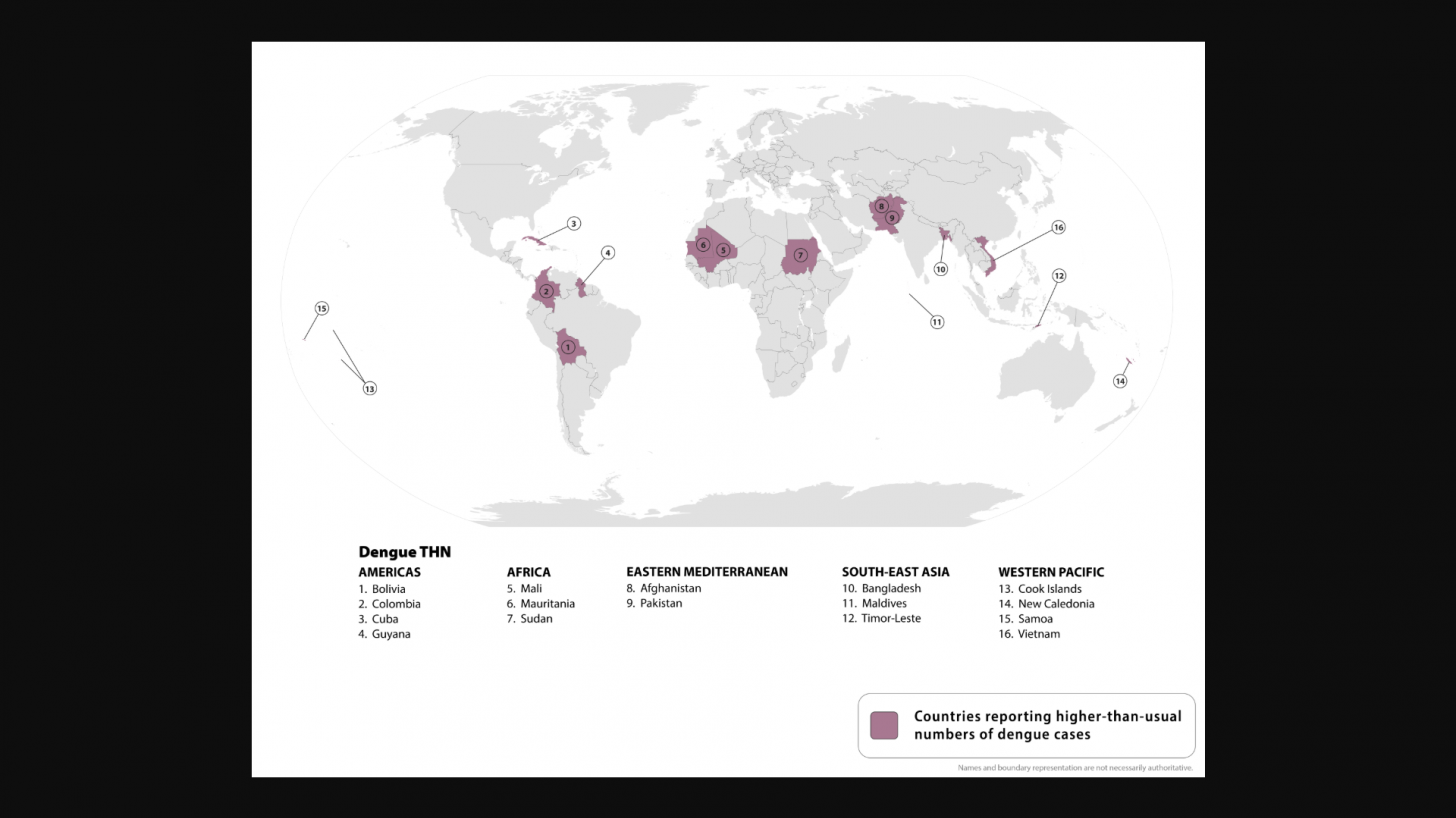
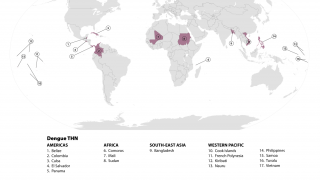
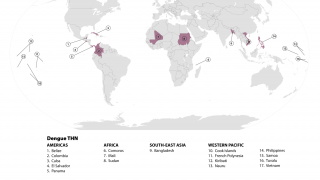
The U.S. Centers for Disease Control and Prevention (CDC) has recently reissued a Level 1: Practice Usual Precautions travel health notice regarding Dengue risks in 16 countries.
Dengue is a mosquito-borne viral illness that poses a year-round risk in many tropical and subtropical regions. As of April 10, 2026, no countries currently meet the CDC criteria for high virus transmission.
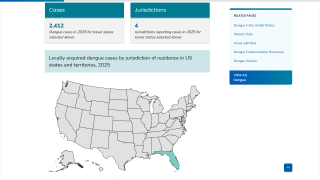
Dengue is not endemic in the continental U.S., but limited local transmission can occur. The virus spreads through bites from infected Aedes mosquitoes. While most cases of Dengue are mild, severe Dengue can lead to serious complications.
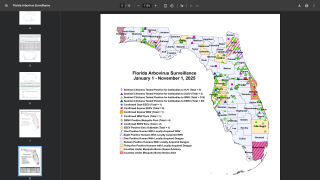
As of early April 2026, Florida has reported approximately 16 travel-associated cases of Dengue with onset this year. However, no locally acquired cases have been confirmed in Florida so far in 2026, which is lower than the levels reported in previous years.
Southern Florida counties, such as Miami-Dade, remain under mosquito-borne illness alerts due to the presence of Aedes mosquitoes.
Currently, the CDC does not recommend or approve any Dengue vaccine for U.S. travelers. The following vaccines are licensed worldwide:
Dengvaxia: Approved by the U.S. FDA only for individuals aged 9 to 16 who have had a prior Dengue infection and live in endemic U.S. territories such as Puerto Rico. Production is being discontinued, and the remaining stock will expire in 2026.
Qdenga: Approved in approximately 40 countries and prequalified by the WHO for individuals aged 4 and older as a two-dose series. It is not approved or recommended for U.S. travelers.
Butantan-DV: A single-dose vaccine approved in Brazil in November 2025 for individuals aged 12 to 59. Phase 3 data indicate approximately 80% effectiveness against severe Dengue and hospitalization for at least five years. This vaccine is only available in Brazil and is not approved or available in the U.S.
For most U.S. travelers, prevention of Dengue largely depends on avoiding mosquito bites. It is advisable to check the CDC Travelers' Health website and consult a travel medicine provider before traveling to at-risk areas for personalized advice.
Our Trust Standards: Medical Advisory Committee