College Football's Championship Game Has No Vaccine Requirements

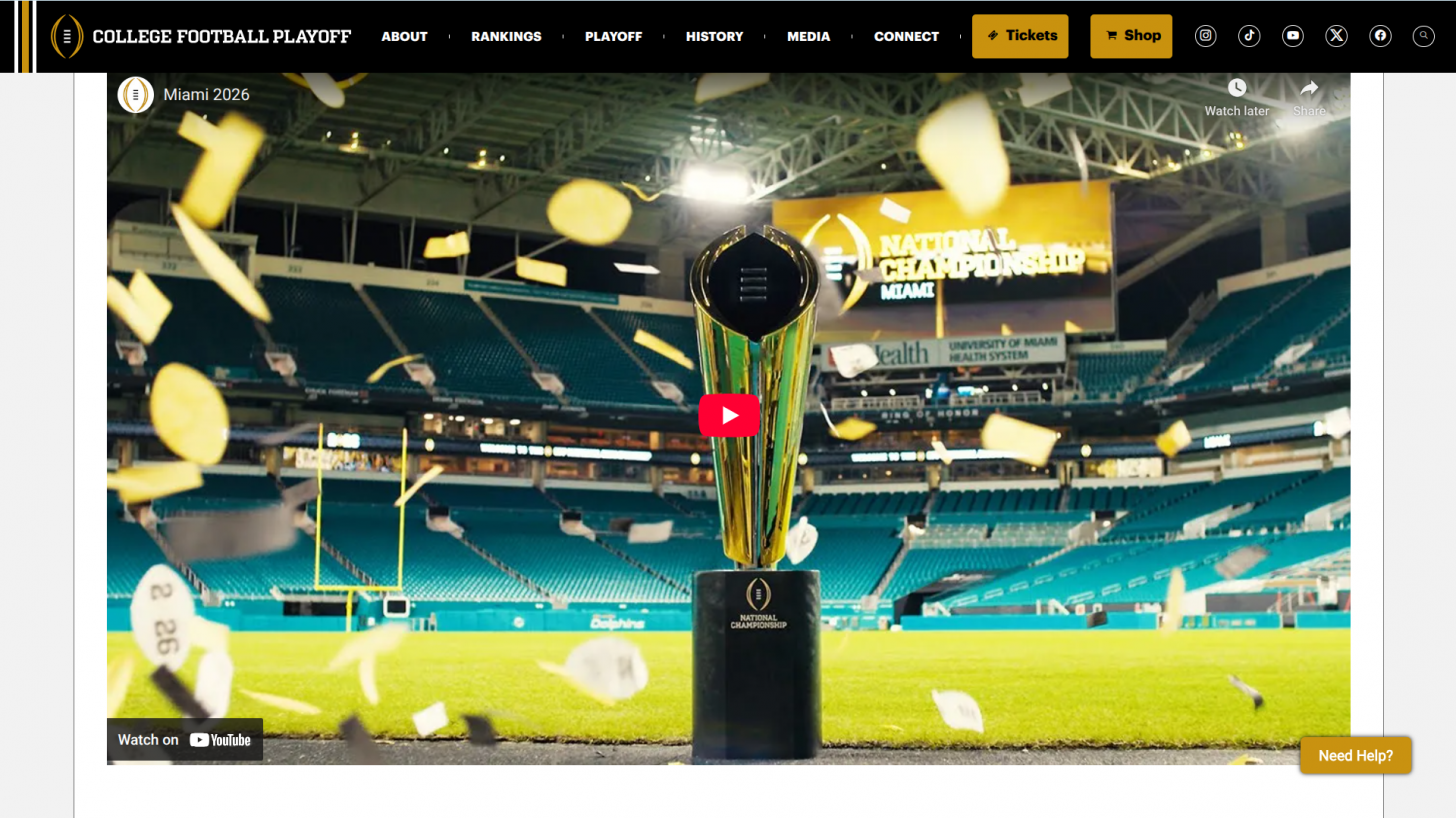
Fans are ready for an unforgettable experience at the 2026 College Football National Championship game on January 19, 2026! This exciting showdown will feature a clash between the undefeated No. 1 Indiana Hoosiers and the Miami Hurricanes, based in South Florida.
College football fans are thrilled to celebrate the innovative playoff format at the Hard Rock Stadium in sunny Miami Gardens.
With a seating capacity of around 65,000, the stadium will come alive with approximately 20,000 out-of-state crimson-clad fans from Indiana, proudly supporting their team and Heisman Trophy-winning quarterback's last college game.
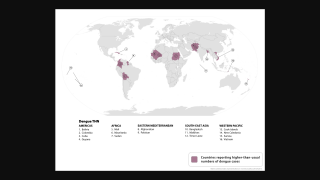
However, many travelers may be unaware of Miami-Dade County's local and travel-related dengue fever and chikungunya cases last year.
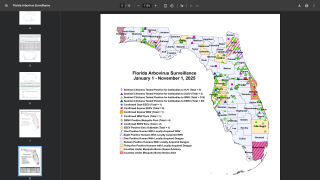
The Florida Department of Health (FDH) week #1 arbovirus surveillance data for 2026 highlights the ongoing risks of mosquito-borne diseases in Miami-Dade County.
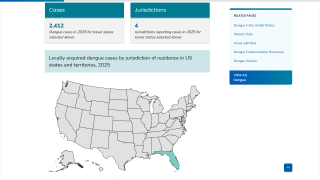
According to FDH, Miami-Dade County recorded 25 locally acquired dengue fever cases, bringing the statewide total to 62 local transmissions in 2025.
Additionally, 268 travel-associated dengue cases were confirmed in Miami, part of Florida's overall total of 417 travel-related dengue infections.
These figures highlight the persistence of the Aedes mosquito, the primary vector of dengue, in urban areas such as Miami and neighboring beaches.
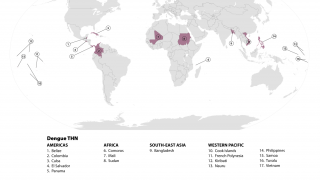
Furthermore, although no locally acquired cases of chikungunya were reported in 2025, travel-related chikungunya infections remained a concern, with 201 cases in Miami. Many of these cases were linked to international travel, most from nearby Cuba, which continues to battle an outbreak in 2026.
From a fan perspective, the game's organizers have not highlighted any health risks.
As of mid-January 2026, neither the College Football Playoff organizers, Hard Rock Stadium, nor official event announcements mention any vaccination mandates.
However, with warm weather persisting year-round in South Florida, the risk of virus transmission remains elevated.
Miami health authorities continue to monitor mosquito populations and advise preventive actions, such as using insect repellents, wearing protective clothing, and eliminating standing water around homes.
"Miami-Dade's proximity to high-risk regions in the Caribbean and Latin America makes it a hotspot for imported cases, which can sometimes lead to local outbreaks," said Don Hackett, publisher at Vax-Before-Travel.com.
"With direct flights from areas like Havana, Cuba—where dengue and chikungunya are endemic—travelers returning to Miami can unknowingly introduce these viruses to visitors to the local community."
The Florida Department of Health in Miami-Dade County is responsible for the surveillance of reportable communicable diseases. In 2026, the local department plans to implement various programs to protect the residents and visitors.
'We are dedicated to staying focused on the prevention and treatment of infectious diseases that are occurring, or that may occur in our county.'
And from a disease-prevention perspective, a US FDA-approved chikungunya vaccine is available in Florida and throughout the USA. But only children in Puerto Rico currently have access to a first-generation dengue vaccine.
Our Trust Standards: Medical Advisory Committee
-
Fact checked by Robert Carlson, MD