Dengue Is Spreading in Europe, Will It Continue in 2026

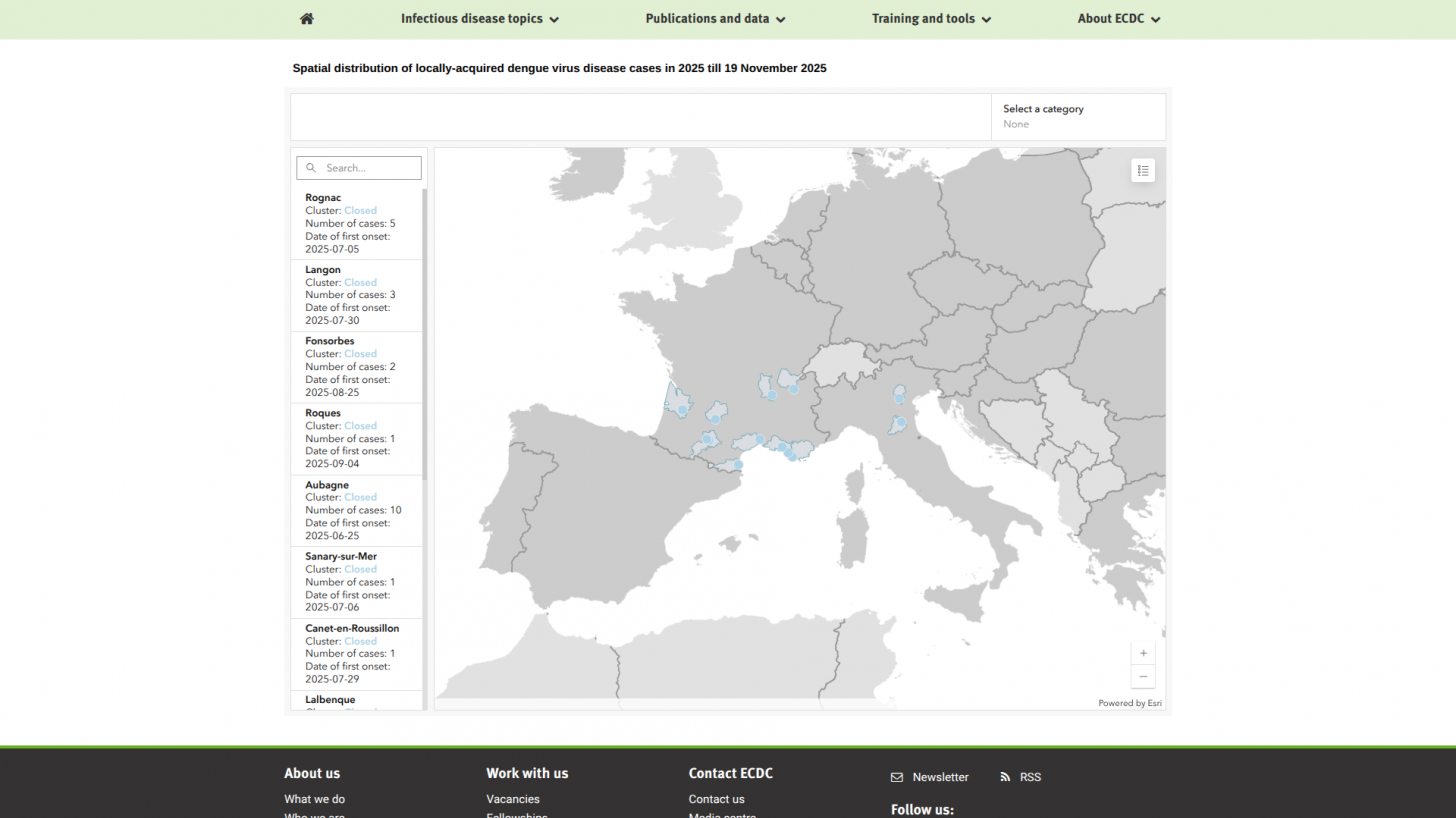
Throughout 2025, there was a significant increase in locally transmitted dengue fever cases reported in European countries.
In the EU/EEA, 29 autochthonous cases have been reported in France, four in Italy, and two in Portugal as of late December 2025.
The disease can take up to 2 weeks to develop after infection, with illness generally lasting less than a week. However, severe dengue can be fatal.
According to the European Centre for Disease Prevention and Control (ECDC) Communicable Disease Threats Report for the week of December 13-19, 2025, climate change is facilitating the spread of the Asian tiger mosquito in Europe, which is creating more favorable conditions for the transmission of this mosquito-borne virus.
In Europe and neighbouring areas, this type of mosquito has become established in Cyprus, on the eastern shores of the Black Sea, and in the outermost region of Madeira.
The ECDC predicts that this trend will continue and even intensify into 2026, as the mosquito's range may expand and pose a year-round health risk for both residents and visitors.
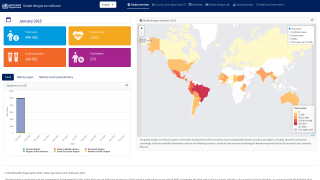
In aggregate, the ECDC reported over 5 million dengue cases and 3,000 dengue-related fatalities from 106 countries/territories in 2025. The majority are from the Region of the Americas.
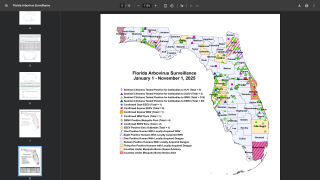
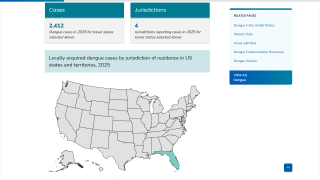
In the United States, the eastern shore of southern Florida, dengue remains a measurable health risk for residents and visitors.
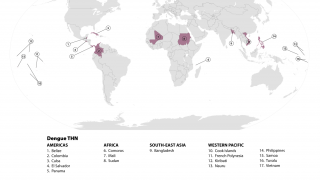
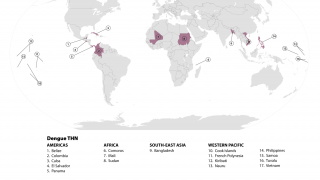
To alert travelers, the U.S. CDC maintains a global Travel Health Notice regarding dengue outbreaks.
As of December 22, 2025, various dengue vaccines are authorized for human use, but not in the USA.
Our Trust Standards: Medical Advisory Committee
-
Fact checked by Robert Carlson, MD