Are Dengue Outbreaks Predictable

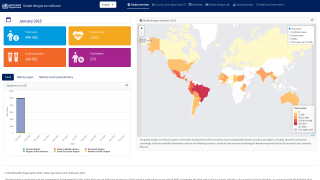
In response to the increasing threat of dengue fever outbreaks in the Americas, the Pan American Health Organization (PAHO) has been collecting data from 46 countries and territories.
As of December 9, 2025, the PAHO's dengue data dashboard indicates that there have been over 4.2 million reported cases and 2,138 related fatalities this year.
While this information is alarming, it represents a decrease from 2024, when dengue cases surpassed 13 million, resulting in 8,431 fatalities in the Americas.
According to a recent study published by Science Translational Medicine, dengue outbreaks could be predicted.
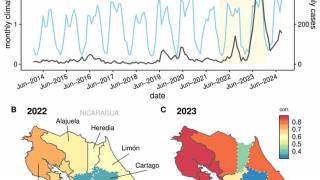
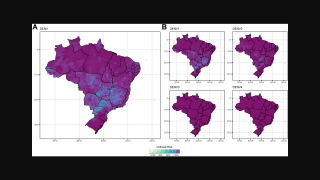
Researchers analyzed historical surveillance data spanning decades to examine seasonal and multiannual patterns of dengue incidence across a broad region of Latin America.
The study published in August 2025 found that more than half of the provinces and islands examined experienced dengue outbreaks approximately every 12 months, with a significant level of synchrony among them.
Additionally, the researchers observed that increased dengue incidence was linked to pronounced seasonal patterns, and that changes in temperature and precipitation—often influenced by El Niño—occurred months before shifts in case numbers.
Currently, those planning to visit dengue-endemic areas rely on the U.S. CDC's Travel Health Notices.
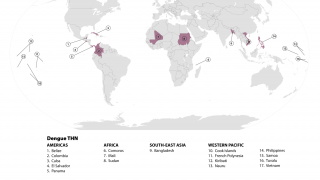
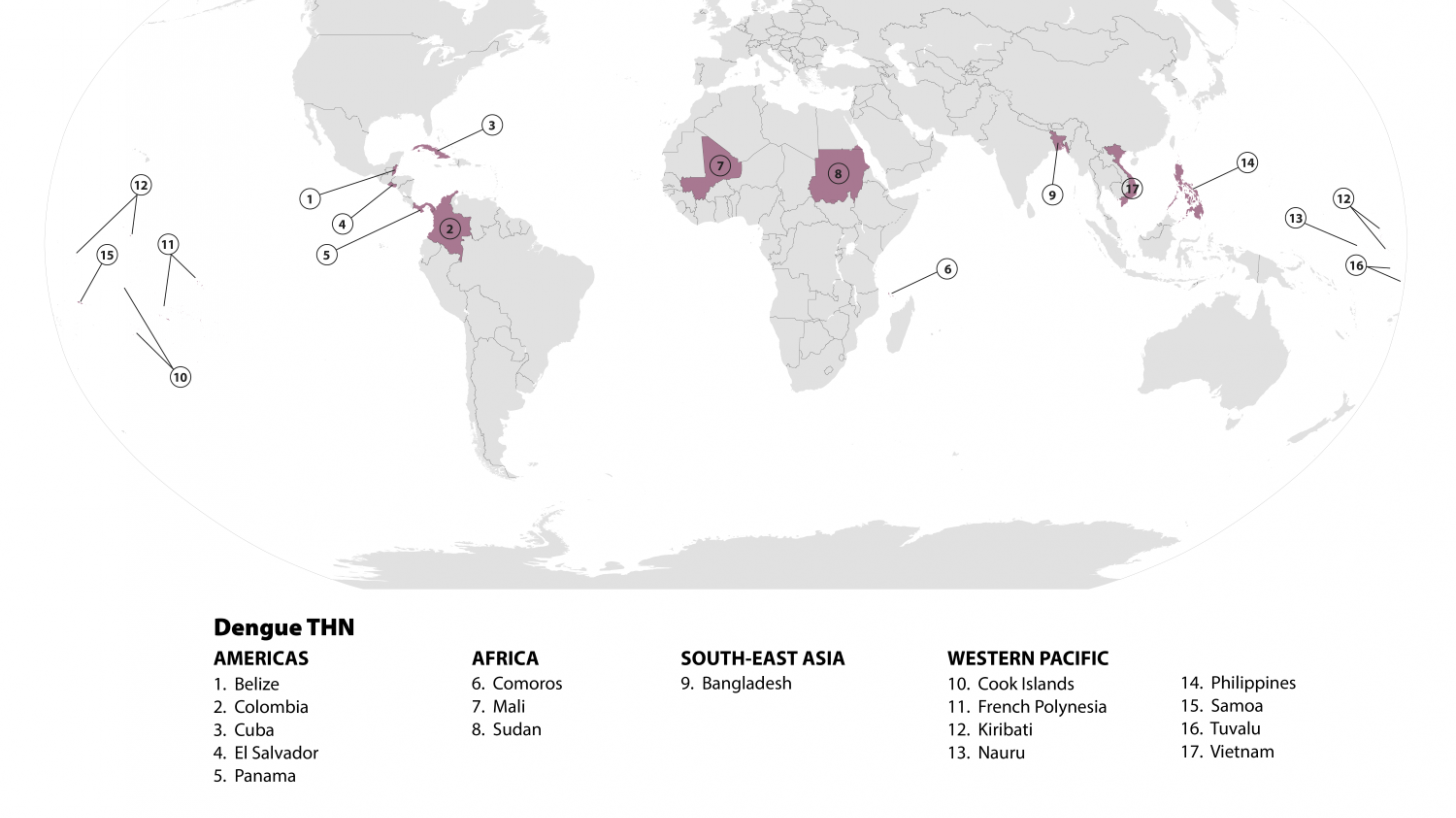
As of December 10, 2025, the CDC's Level 1 - Practice Usual Precautions, Global Dengue alert identifies 17 countries at risk of dengue infection.
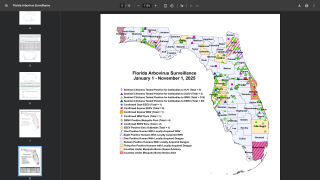
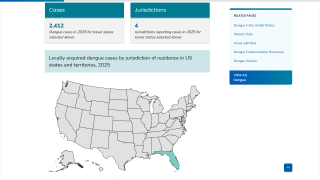
However, the CDC does not include local dengue cases being confirmed within the United States, such as along Florida's east coast, where 61 cases have been confirmed.
The CDC states that since dengue is a mosquito-transmitted disease, international travelers to risk areas should prevent mosquito bites by using an EPA-registered insect repellent, wearing long-sleeved shirts and long pants when outdoors, and sleeping in an air-conditioned room or room with window screens.
This new study analyzed regional dengue incidence in Latin America, which could improve vaccination strategies for future international travelers.
Although dengue vaccines have been available for years, the second-generation vaccine, Qdenga, is currently not offered in the USA. However, this year, Qdenga is being commercially sold in about 20 countries across the Americas.
Our Trust Standards: Medical Advisory Committee
-
Fact checked by Robert Carlson, MD