Dengue Severity Diminished With High Vitamin D Levels


A common vitamin has previously been identified as a predictor of the progression of Dengue fever, a disease impacting health systems throughout the Region of the Americas in 2026.
New research indicates this nutrient may have strong immunomodulatory effects against this mosquito-transmitted virus. This research emphasizes the importance of assessing vitamin D levels in Dengue-endemic areas, where deficiencies are common.
A study published in the Indian Journal of Medical Research highlights a potential link between low vitamin D levels and increased Dengue fever severity, illustrating how this nutrient affects the body's inflammatory response to Dengue viruses (DENV).
The study examined serum levels of 25-hydroxyvitamin D [25(OH)D] and various cytokines in Dengue patients grouped by disease severity—mild, warning signs, and severe Dengue, compared with healthy controls.
Published in late December 2025, this study found significantly higher levels of tumor necrosis factor-alpha (TNF-α) in Dengue patients, a finding associated with severe outcomes in outbreaks worldwide.
Interleukin-6 (IL-6) levels were particularly elevated in severe Dengue cases, contributing to increased endothelial permeability. Interferon-gamma (IFN-γ) was also higher in severe cases, indicating a heightened inflammatory state.
The recent study found that patients with severe Dengue had significantly lower 25(OH)D levels, which correlated with increased TNF-α, IL-6, and IFN-γ levels.
Additionally, circulating miRNA-155, an inflammatory regulator, increased with disease severity, and there was an inverse relationship between 25(OH)D levels and miRNA-155, suggesting that vitamin D may help modulate inflammation.
These researchers concluded that vitamin D status is closely linked to immune activation during Dengue infection, suggesting that low vitamin D may contribute to greater disease severity.
The U.S. NIH says Vitamin D is a group of structurally related, fat-soluble compounds that increase intestinal absorption of calcium and phosphate, among other biological functions.
Dengue, a viral infection that affected millions of people in 2025, can range from mild fever to severe cases with plasma leakage, bleeding, and organ damage, often driven by an overactive immune response known as a cytokine storm.
The research team wrote that while vitamin D supplementation shows promise, further clinical trials are needed to determine whether correcting deficiencies could improve Dengue outcomes.
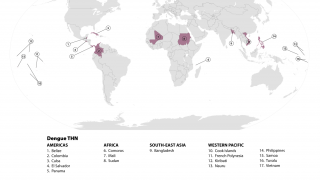
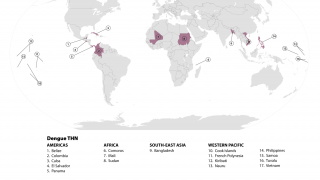
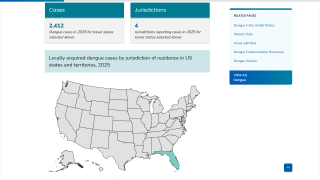
As of January 26, 2026, the U.S. CDC identified 11 countries reporting Dengue outbreaks. In the United States, Florida has reported Dengue cases in 2026.
While numerious countries have approved a second (Qdenga) and third-generation vaccines, the U.S. has not.
Our Trust Standards: Medical Advisory Committee
-
Fact checked by Robert Carlson, MD