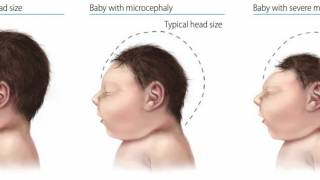
Children Diagnosed with Congenital Zika Syndrome at Risk for Epilepsy-related Hospitalization

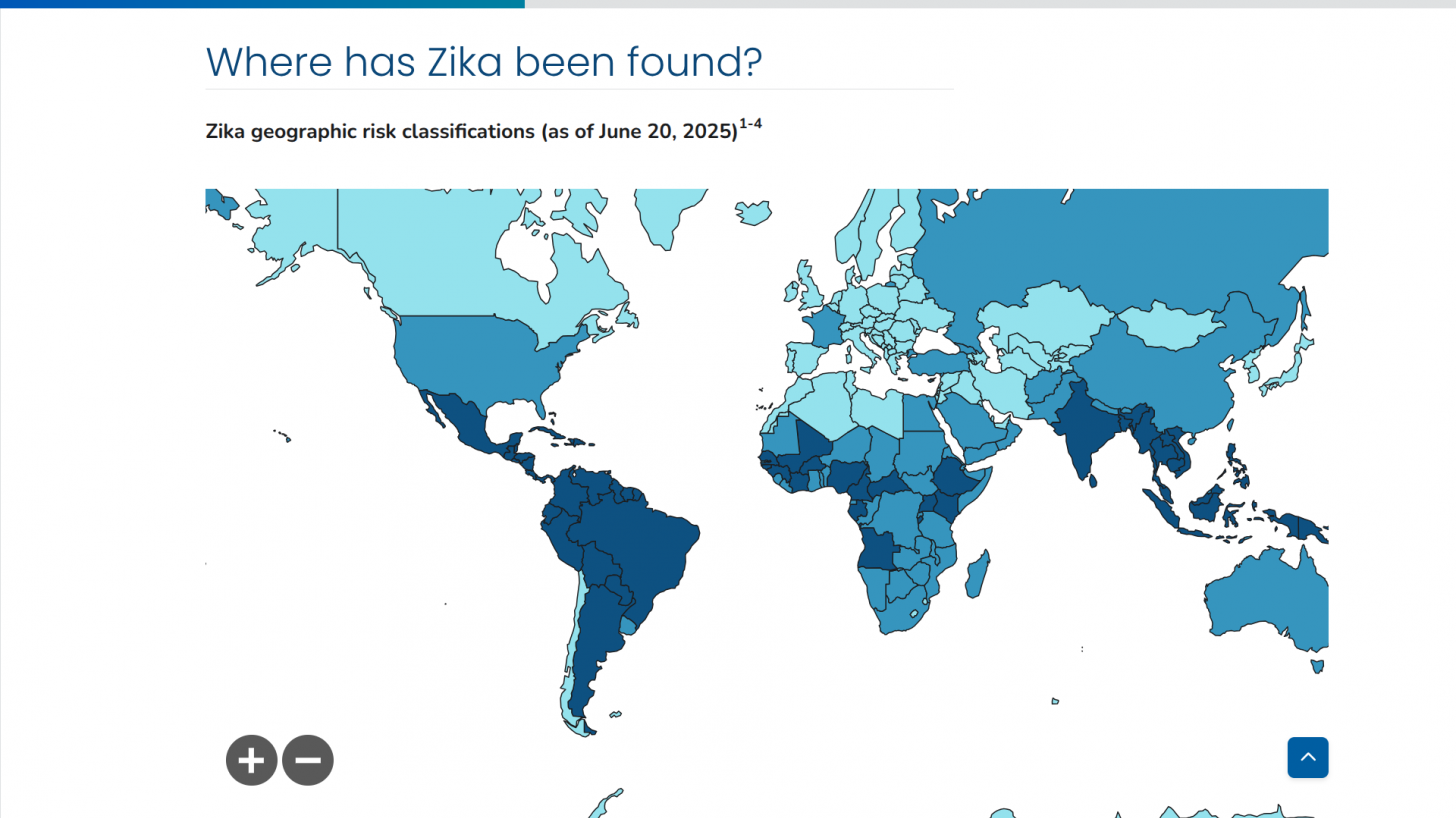
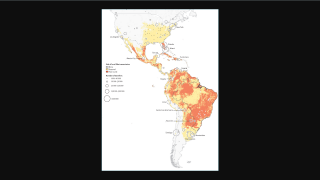
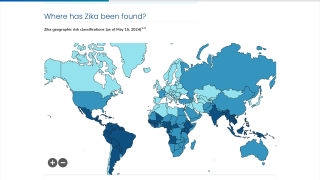
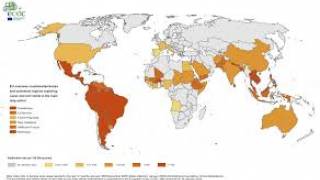
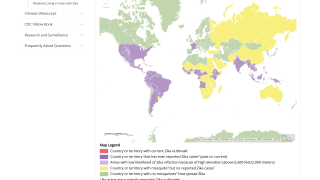
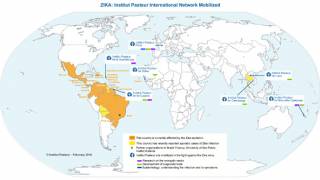
Since the World Health Organization declared the Zika virus epidemic a public health emergency of international concern in 2016, outbreaks have continued to occur in about 100 countries and territories globally.
This mosquito-borne virus has severely impacted the health of numerious children, and may expand into new geographic areas by 2050, infecting nearly one billion people.
As of December 2025, over 25,800 Zika cases and four related fatalities were reported in the Region of the Americas this year.
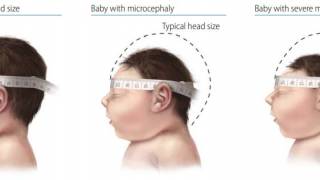
A recent study published in JAMA Pediatrics, which involved millions of children, identified a significantly higher risk of epilepsy-related hospitalizations in early childhood among those with congenital Zika syndrome (CZS)—a severe condition resulting from Zika virus infection.
For this study, published on December 1, 2025, researchers from Brazil and the United Kingdom analyzed data comparing the risk of epilepsy-related hospitalizations during the first four years of life in children who were exposed to the Zika virus while their mothers were pregnant.
Among 10,828,887 children, 2780 (0.03%) had CZS, and 8361 (0.08%) were exposed to ZIKV during pregnancy without developing CZS.
After adjusting for confounders, CZS was associated with an increased risk of epilepsy-related hospital admission (adjusted HR [aHR], 34.22 [95% CI, 29.16-40.16]). Age-specific aHRs peaked at age 7 to 18 months (aHR [95% CI], 33.72 [24.70-46.04] for 0-6 months, 44.58 [35.89-55.36] for 7-18 months, and 20.62 [14.31-29.72] for 19-48 months).
Those children with CZS who were microcephalic, normocephalic, or macrocephalic showed similar associations with epilepsy-related admissions.
However, children exposed to ZIKV without CZS did not show increased risk compared with unexposed peers (aHR, 0.66 [95% CI, 0.34-1.27]).
These researchers concluded that in this population-based cohort study, CZS was associated with an elevated risk of epilepsy-related hospitalization in early childhood in Brazil.
In contrast, children exposed to ZIKV during pregnancy without CZS did not appear to have a higher risk of epilepsy-related admission compared with unexposed children, wrote these researchers.
In addition to epilepsy concerns, a study published in JAMA Network Open in January 2025 showed that children with CZS had a 13-fold higher risk of death compared with those without CZS.
As of 2025, the U.S. Centers for Disease Control and Prevention (CDC) Yellow Book states that international travelers with suspected Zika infection should be tested with real-time polymerase chain reaction or an NS1 antigen test.
And from a disease prevention option, an innovative vaccine candidate (VLA1601) is progressing through clinical research with aspirations of approval in the near term.
Our Trust Standards: Medical Advisory Committee
-
Fact checked by Robert Carlson, MD