$26.7 Million Funds Ebola, Sudan, Bundibugyo and Marburg Combo-Vaccine Development


Scientists at the University of Oxford confirmed today that they are leading an ambitious research program to develop multivalent vaccines that provide broad protection against multiple filoviruses, including the Ebola virus (Zaire ebolavirus), Sudan virus, Bundibugyo virus, and Marburg virus.
A broadly protective vaccine could significantly simplify these very deadly disease outbreak response strategies.
Announced on January 8, 2026, the Oxford Vaccine Group and the Pandemic Sciences Institute confirmed they are collaborating with the Institute for Drug Discovery at Leipzig University and Moderna, with support of up to $26.7 million from the Coalition for Epidemic Preparedness Innovations (CEPI) and the European Union's Horizon Europe program.
This initiative focuses on designing and testing vaccine candidates that protect against a broad spectrum of filoviruses, including potential future "Disease X" threats from unknown strains within this viral family.
Currently, only two vaccines are licensed globally, both aimed at the Zaire ebolavirus: Ervebo® and the Zabdeno®/Mvabea® regimen.
As of today, no approved vaccines are available for the Sudan or Marburg viruses. However, vaccine candidates are in development.
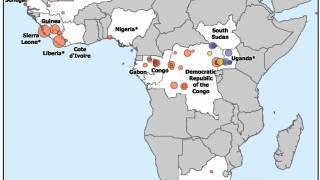
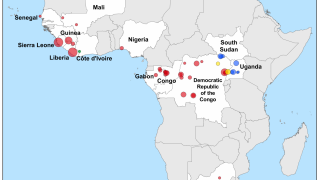
Filoviruses cause severe hemorrhagic fevers with high fatality rates and have led to frequent, unpredictable outbreaks in sub-Saharan Africa in recent years. Notable examples include Sudan virus outbreaks in Uganda (2022 and 2025) and Marburg virus outbreaks in Rwanda (2024), Tanzania (2025), and Ethiopia (2025).
These incidents highlight the ongoing threat to vulnerable communities and international travelers.
Furthermore, previous research has shown that there is increasing evidence that filoviruses circulate in almost all parts of the world.
Experts at Leipzig University's Institute for Drug Discovery will use advanced artificial intelligence to engineer immunogens that elicit broad immune responses against filoviruses. These immunogens will be tested using Oxford's proven ChAdOx viral vector platform and Moderna's mRNA platform.
Preclinical studies will be conducted to identify the most effective combinations, and promising candidates could advance to Phase I clinical trials in the UK.
Professor Teresa Lambe OBE, Calleva Head of Vaccine Immunology at the Oxford Vaccine Group, stated in a press release, "Filoviruses continue to pose a severe and unpredictable threat, causing outbreaks that devastate communities and strain fragile health systems."
"These outbreaks are becoming increasingly frequent. While we need monovalent vaccines today, it's also essential to develop multivalent vaccines for the future."
This new program will enable us to pursue a long-term approach by developing multivalent vaccines that provide broad, durable protection against multiple known filovirus threats."
This collaboration will contribute to CEPI's 100 Days Mission, which aims to ensure that the world can respond to future pandemic threats within 100 days of identifying a novel virus.
Currently, the Ervebo® vaccine and the Zabdeno®/Mvabea® regimen are not commercially available in the United States.
Our Trust Standards: Medical Advisory Committee
-
Fact checked by Robert Carlson, MD