Will Evolving Mpox Clades Cause Global Outbreaks Again

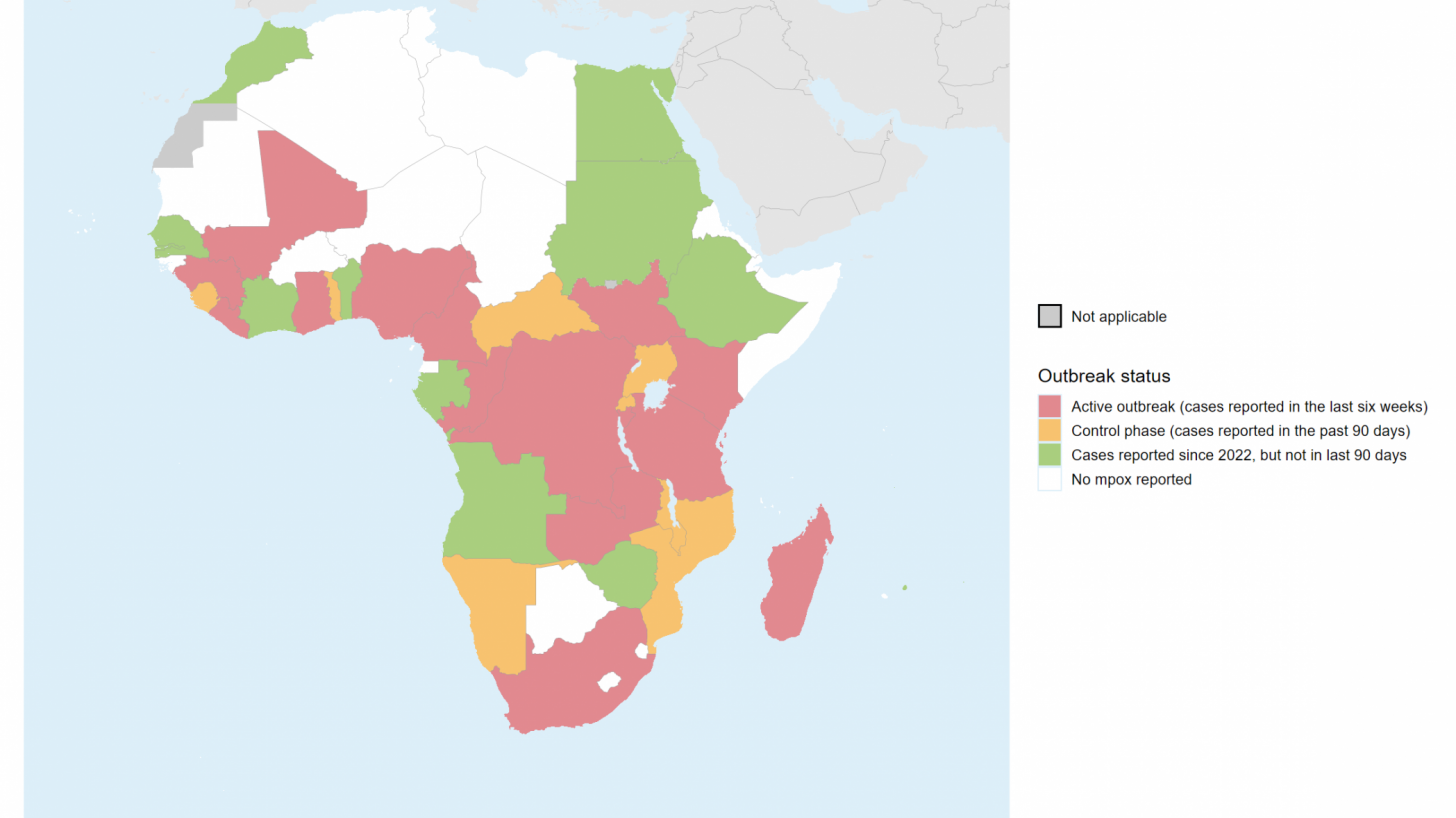
While it is rarely covered in national news, the monkeypox virus continues to cause localized outbreaks, particularly in Africa, with sporadic imported cases reported in other regions.
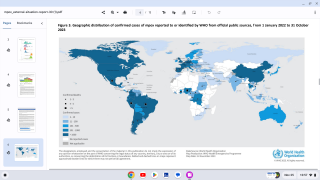
Since January 2022, over 63,000 confirmed mpox cases and hundreds of related fatalities have been documented globally. This troubling situation has prompted scientists to investigate how the virus spread globally in mid-2022 and the potential for future resurgence.
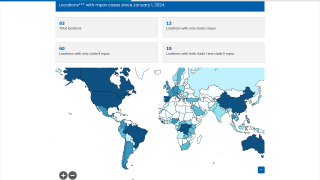
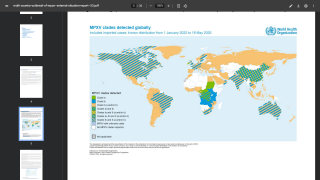
According to an article published by the journal Nature on January 8, 2026, the 2022 outbreak, driven by clade IIb, resulted in over 100,000 cases across 122 countries, primarily through sexual transmission.
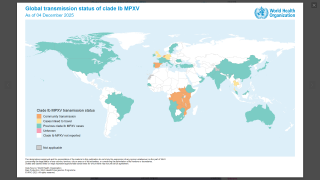
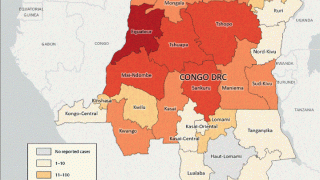
In Central and East Africa, clade I strains, especially the more transmissible subclade Ib, have surged.
As of mid-December 2025, Africa reported 45,171 confirmed mpox cases in the past 12 months, including 204 deaths. Clade I strains exhibit higher severity, with case fatality rates around 3% in affected regions of Africa, compared to the very low mortality rates associated with clade IIb, which is known for its high transmissibility.
A preprint study published in December 2025 revealed that the clade IIb strain from 2022 can persist in mouse testes for weeks, producing infectious virus and causing tissue damage that may impact sperm production.
This research, led by scientists including Alyson Kelvin from the University of Calgary, could help explain the virus's efficient sexual transmission. However, these findings have yet to be confirmed in humans.
In December 2025, officials identified the first recombinant mpox strain in England (Ireland) —a hybrid that combines genetic elements from both clades. Detected in a traveler returning from Asia, this inter-clade recombination is not unexpected when multiple strains are co-circulating.
However, it raises concerns about enhanced adaptability, potentially reducing the effectiveness of vaccines or treatments if transmission remains unchecked.
The U.S. FDA-approved JYNNEOS® (MVA-BN®) vaccine is reported to provide 66–89% effectiveness against clade II strains when two doses are administered.
Researchers also expected to offer cross-protection against clade I/Ib due to conserved orthopoxvirus proteins, although specific data on this is limited.
Infectious disease expert Boghuma Titanji from Emory University in Atlanta, Georgia, emphasized that scientists "still have a lot to learn" about current strains, let alone emerging ones.
"Mpox is an enveloped double-stranded DNA virus of the Orthopoxvirus genus in the Poxviridae family, which includes smallpox, so we should not underestimate what it can do if allowed to become entrenched in human populations and continue to adapt," she stated.
Health authorities are highlighting the importance of ongoing surveillance and vaccination for at-risk groups to prevent a recurrence of the surprises witnessed in 2022.
Since November 2024, there have been 10 reported cases of clade I monkeypox in the United States, associated with the outbreak in Africa.
As of January 9, 2026, the U.S. Centers for Disease Control and Prevention (CDC) says it is unclear how mpox outbreaks in the U.S. and abroad will continue to evolve in 2026.
However, if you're traveling to a country where either monkeypox clade is spreading, including those traveling to Central or Eastern Africa, learn more about how to prevent it. Some people are at higher risk for monkeypox and should receive two doses of the mpox vaccine before traveling abroad, suggests the CDC.
Our Trust Standards: Medical Advisory Committee
-
Fact checked by Robert Carlson, MD