Zika's Long Term Impact Is Measurable in 2025


Since the beginning of the Zika virus epidemic in 2014, much has been learned about the effects of antenatal exposure to this severe, mosquito-transmitted virus.
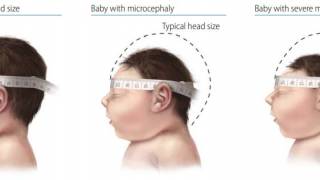
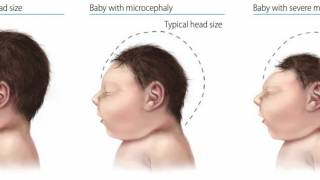
According to the U.S. Centers for Disease Control and Prevention (CDC), Zika virus infection during pregnancy poses severe risks to the fetus, ranging from congenital Zika syndrome, microcephaly, to milder neurodevelopmental issues.
Congenital Zika syndrome is characterized by a variety of alterations that can impact cognitive, language, and motor development.
Among children with congenital Zika syndrome, overall morbidity and mortality rates are notably high.
Children who were exposed to the Zika virus antenatally but do not have congenital Zika syndrome are also at risk for developmental disorders.
The CDC says some infants who do not have microcephaly at birth may develop it later. In addition, some babies might look healthy at birth but can produce long-term health problems as they age.
To clarify this long-term health risk, The Lancet published a Review on July 3, 2025, reporting that in utero exposure to the Zika virus does not result in the production of neutralizing antibodies.
Without protective antibodies, Zika-diagnosed children are open to repeat infections.
This Review's authors wrote, 'There are still gaps in scientific knowledge, particularly the lack of data on long-term outcomes for school-age children. Future research and investment are essential to enhance diagnostics, revive the stalled development of Zika virus vaccines, and evaluate potential antiviral treatments.'
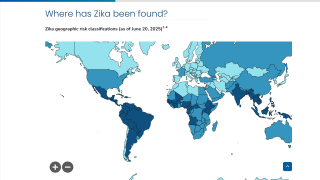
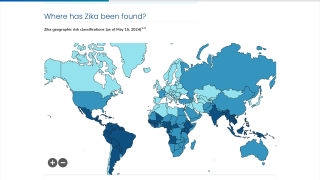
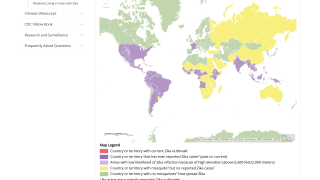
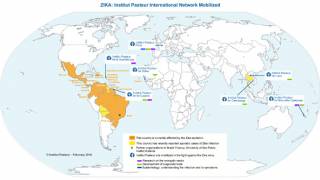
Although the epidemic has subsided, the Zika virus remains endemic in many countries and continues to affect families.
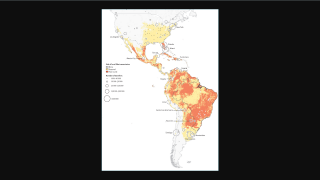
In 2025, Brazil continues reporting thousands of Zika cases in South America.
And in Central America, Costa Rica has reported an increasing number of Zika cases each year. Costa Rica has reported 11 Zika cases as of July 2025, 32 in 2024, and 13 in 2023.
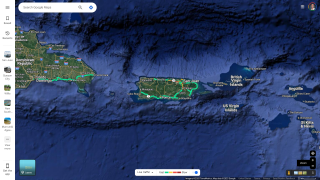
Since 2019, there have been no confirmed Zika cases reported from U.S. territories.
As of July 2025, the UK travel advisory for Brazil states that since there is no vaccination or medication to prevent Zika infection, women should avoid becoming pregnant while travelling in this country, and for 2 months after their last possible Zika virus exposure.
If a woman develops symptoms compatible with Zika virus infection, it is recommended that she avoid becoming pregnant for a further 2 months following recovery.
Additionally, women who visited this country while pregnant, or who became pregnant within 2 months after their last possible Zika virus exposure, should contact their obstetrician for further advice, even if they have not been unwell.
As of July 9, 2025, Zika vaccine candidates are conducting clinical research, but none have been approved for use by the CDC.
Our Trust Standards: Medical Advisory Committee
-
Fact checked by Robert Carlson, MD