Can Childhood Flu Seasons Shape Lifelong Influenza Immunity

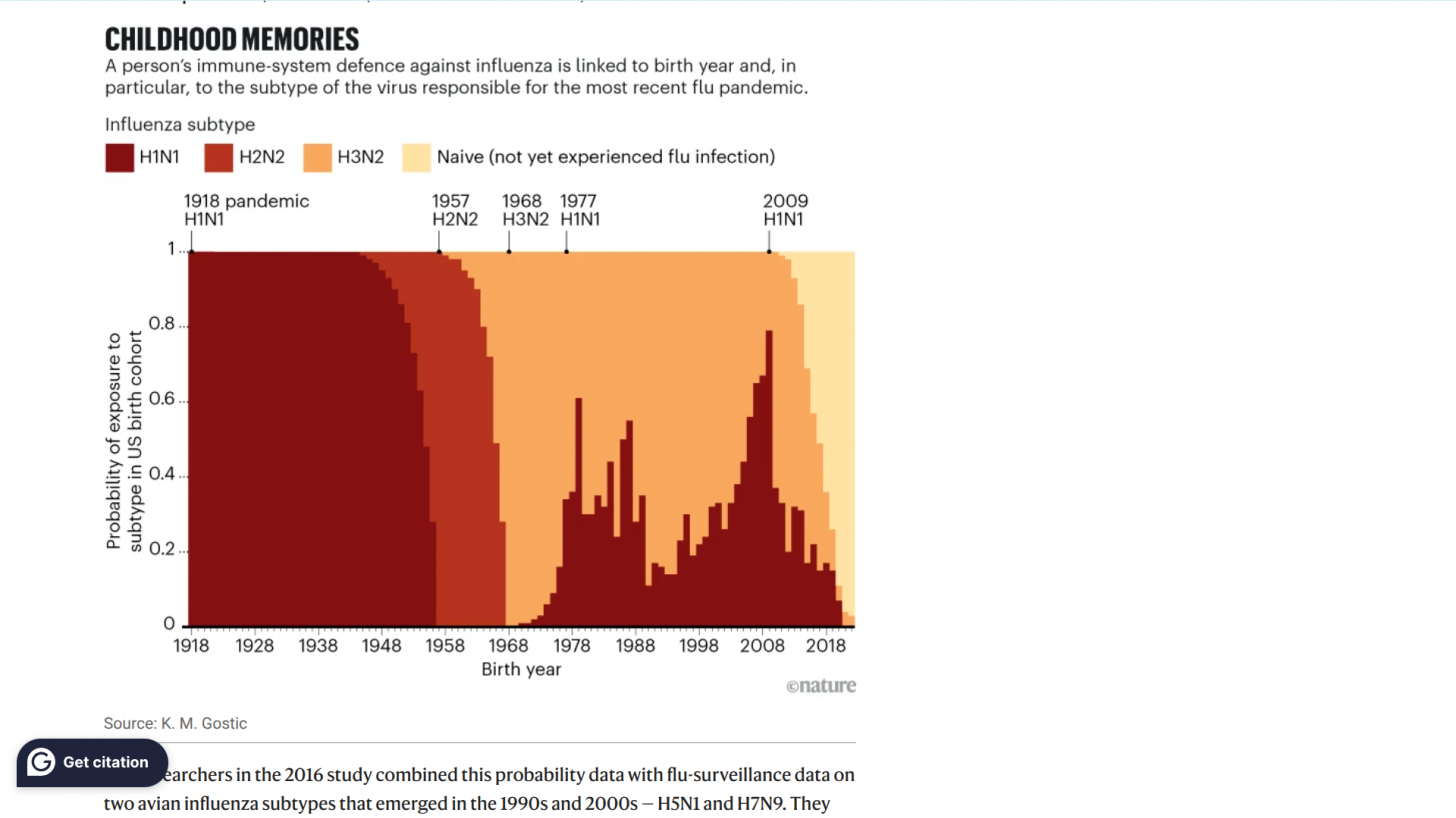
Over the past century, researchers have examined how seasonal influenza outbreaks impact children's immune memory when they encounter different flu strains later in life.
The U.S. Centers for Disease Control and Prevention (CDC) highlights a significant yet complex phenomenon known as original antigenic sin, or immune imprinting, which is essential for understanding influenza immunity, natural or vaccine-induced.
A recent study led by epidemiologist Aubree Gordon at the University of Michigan followed thousands of children from birth in the U.S., Nicaragua, and New Zealand. The goal was to understand how early exposures to flu viruses influence lifelong immune imprinting.
According to an article published by the journal Nature in December 2025, the concept behind original antigenic sin is that the immune system relies on early childhood encounters with influenza, which "prime" antibody responses that can last a lifetime.
This can sometimes lead to a focus on familiar antibodies when faced with new flu strains, hindering the development of defenses against novel virus features.
Research indicates that this imprinting can be both beneficial and detrimental, depending on how early exposures align with subsequent threats.
For example, those first infected with group 1 viruses, such as H1N1, may have better protection against avian threats such as H5N1, while those exposed to group 2 viruses may be better protected against H7N9.
For most people. birth year significantly influences this imprinting.
While original antigenic sin can enhance immunity against similar strains, it also creates gaps when viruses mutate, increasing vulnerability in certain age groups.
Researchers are exploring ways to harness or modify this bias, including advanced vaccines for broader protection.
This study, and others, are vital for developing effective next-generation flu shots that work in harmony with, not against, the immune system's memory mechanisms.
As of early January 2026, the CDC reports an ample supply of 2025-2026 influenza vaccines at health clinics and pharmacies in the United States.
This article, Keener, A. B. (2025). Immunological sin: How a person's earliest flu infections dictate life-long immunity. https://doi.org/10.1038/d41586-025-03606-3 is part of Nature Spotlight: Influenza, an editorially independent supplement.
Our Trust Standards: Medical Advisory Committee
-
Fact checked by Robert Carlson, MD