1.5 Million Spring Breakers Need to Know; Years of 'Do Not Travel' Warnings in Mexico Persist in 2026

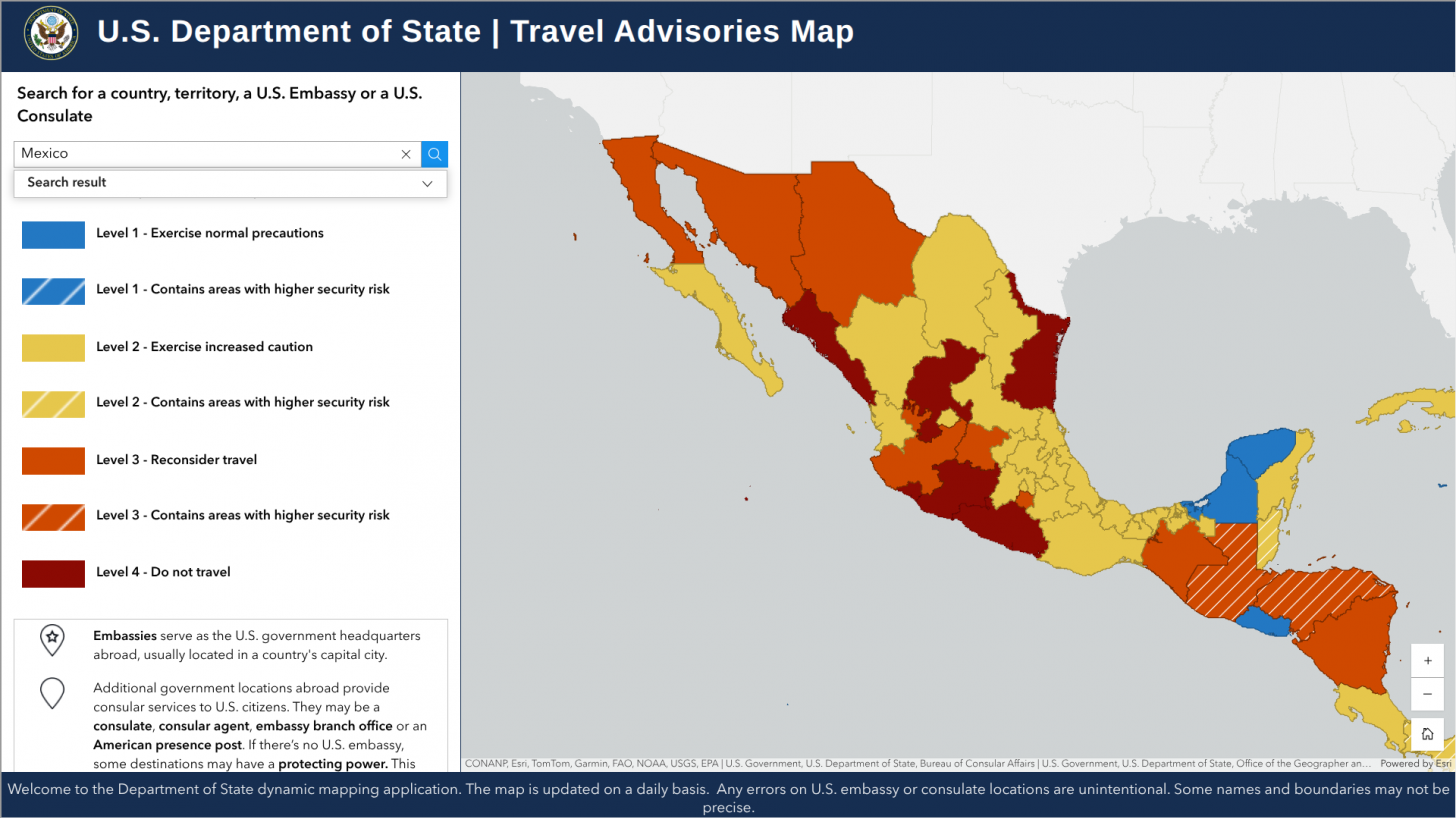
While many vacationers in Mexico were caught off guard last weekend, the U.S. Department of State has maintained high-level travel advisories for several Mexican states for years.
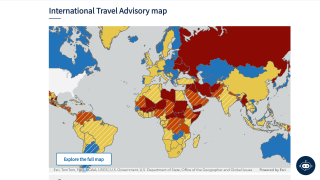
As of February 25, 2026, the overall travel advisory for Mexico is at Level 2: Exercise Increased Caution.
However, certain states have been under the "Do Not Travel" designation (Level 4) since at least January 2018, when the State Department implemented its current four-level Travel Advisory system. The highest warning has been assigned to the states of Colima, Guerrero, Michoacán, Sinaloa, and Tamaulipas due to ongoing civil unrest.
Over the years, Level 4 designations have continued and evolved, with some variations in the specific states included based on security conditions. For instance, Colima, Guerrero, Michoacán, Sinaloa, and Tamaulipas have remained core Level 4 areas in many updates.
Additionally, other states, such as Zacatecas, have been added to Level 4 in more recent years amid shifting conflicts.
While popular tourist destinations like Cancún (Quintana Roo), Los Cabos (Baja California Sur), and much of the Yucatán Peninsula generally fall into lower-risk categories (Level 2), the persistent Level 4 warnings for certain states underscore long-standing concerns in western and northern Mexico.
Currently, Mexico is recovering from violence that has affected multiple states, leading to road blockades and temporary disruptions in travel, flights, and public operations—particularly in areas such as Guadalajara, Puerto Vallarta, and parts of western Mexico.
The local U.S. Embassy issued several security alerts urging American citizens to shelter in place in affected locations.
As of Security Update #7, all restrictions related to the events of February 22 on U.S. government staff in Tijuana (Baja California) and Monterrey (Nuevo Leon) have been lifted. U.S. government staff in Guadalajara (Jalisco), Puerto Vallarta (Jalisco/Nayarit), and Ciudad Guzmán (Jalisco) are subject to a curfew during nighttime hours and cannot travel outside their metropolitan areas.
Furthermore, normalcy is returning to many areas, including Quintana Roo, Sinaloa, and Tamaulipas, says the U.S. Embassy. Flight schedules have largely resumed, and no ongoing road closures are reported. However, Mexican authorities and U.S. officials have noted that the potential for flare-ups remains.
About 1.5 million American travelers are forecasted to visit Mexico for Spring Break 2026. They are encouraged to review the comprehensive, state-specific details on the official U.S. State Department website (travel.state.gov) and to enroll in the Smart Traveler Enrollment Program to receive digital security alerts.
Similarly, the U.S. Centers for Disease Control and Prevention (CDC) maintains a Level 1: Practice Usual Precautions Travel Health Notice for Mexico, but identifies significant health concerns.
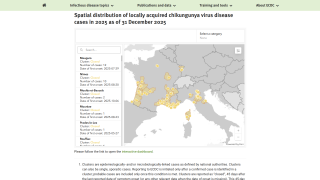
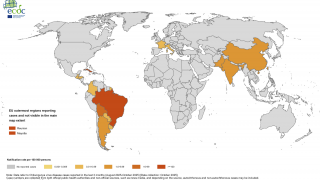
Key disease risks identified in 2026 by the CDC include mosquito-borne illnesses such as chikungunya, dengue, and Zika (which continues to circulate at low levels, with four confirmed cases in 2025, raising concerns for pregnant travelers due to potential congenital disabilities).
There is also a risk of tick-borne Rocky Mountain spotted fever in northern border regions.
Other health risks visitors should be aware of include hepatitis A, typhoid, rabies, and an increasing number of cases of New World screwworm myiasis reported in late 2025 and early 2026.
For travelers heading to beach areas like Cancún and the Riviera Maya during spring break 2026, the CDC strongly recommends consulting a travel vaccine provider at least one month before departure to ensure that routine and travel vaccinations are up to date.
Located throughout the U.S., travel clinics offer keen insights into today's health risks.
Our Trust Standards: Medical Advisory Committee
-
Fact checked by Robert Carlson, MD