Cancun Travel Health Alert 2026: Mosquito-Borne Risks And Recommended Vaccinations
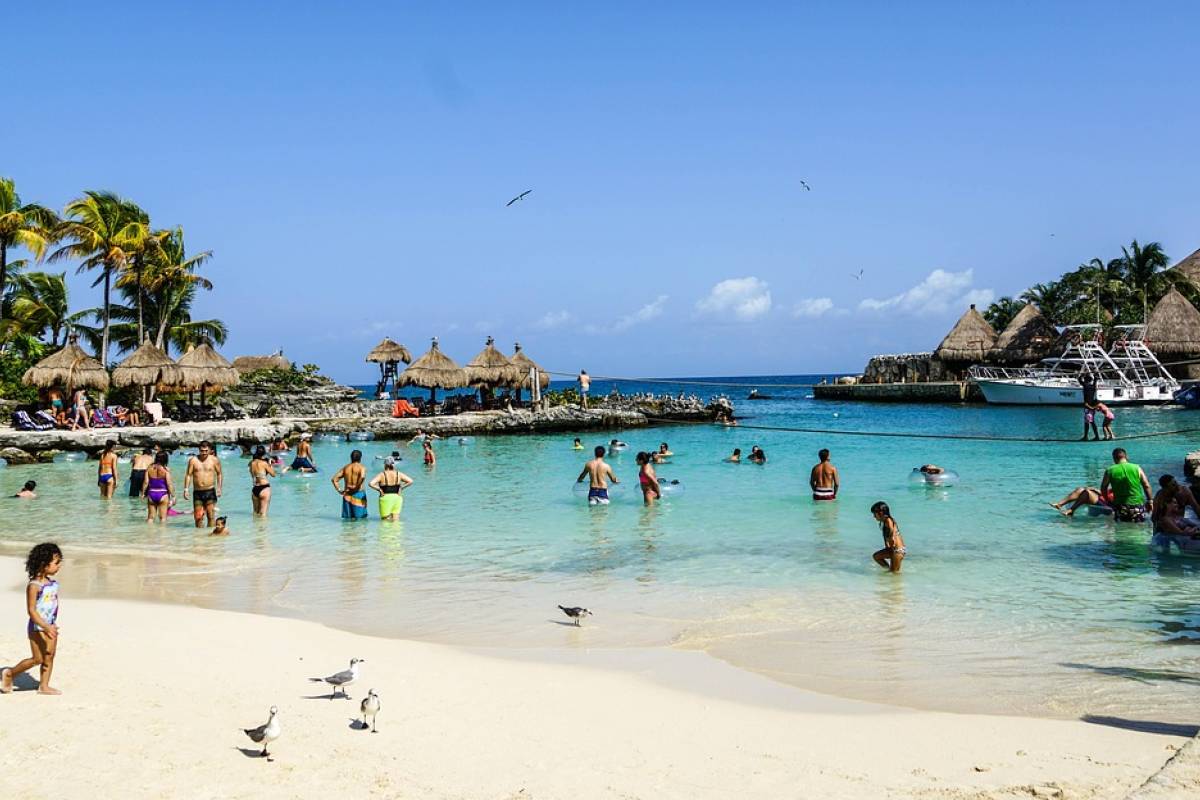
As the peak tourist season and spring break 2026 approach, health authorities urge travelers heading to the sunny beaches of Cancun and the Riviera Maya to take extra precautions against mosquito-borne illnesses.
Although overall dengue cases in the Americas have significantly decreased in early 2026 compared to recent years, local transmission of key viruses continues in popular resort areas like Quintana Roo.
According to the latest data from the Pan American Health Organization (PAHO) posted on February 24, 2026, the Americas reported 122,090 suspected dengue cases through the end of January 2026.
The PAHO data indicate Mexico has experienced relatively low activity so far this year, with only 185 confirmed cases and about 1,972 probable cases nationwide in the first weeks of 2026.
However, Quintana Roo ranks among the states with the highest dengue activity, reporting 294 probable infections this year.
Aedes mosquitoes spread dengue and remain endemic in coastal regions. Symptoms include high fever, severe headache, eye pain, joint and muscle aches, nausea, and rash. In severe cases, it can lead to life-threatening complications.
Additionally, there is an elevated risk of chikungunya, which is transmitted by the same mosquitoes.
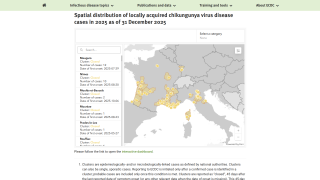
PAHO has noted an increase in chikungunya cases across parts of the Americas since late 2025, with a re-emergence in some areas after years of low activity. Locally acquired chikungunya cases have been reported in Quintana Roo and nearby states in early 2026.
Chikungunya causes intense joint pain that can last for months, along with fever and rash.
Zika continues to circulate at low levels in Mexico, with the U.S. Centers for Disease Control and Prevention (CDC) categorizing it as an area with current or past transmission. While most Zika cases are mild, it poses a serious risk to pregnant women due to the potential for congenital disabilities, such as microcephaly.
The risk of malaria in Cancun and surrounding resort zones remains very low, and the CDC does not recommend routine prophylaxis for these urban and tourist areas.
And recently, cases of New World screwworm myiasis have been reported in Mexico.
The CDC, along with health authorities such as the UK's TravelHealthPro, the Government of Canada, recommends that all travelers to Mexico—including Cancun—ensure they are up to date on routine vaccinations before departure.
Additionally, travel vaccine clinics offer expert advice for those visiting high-risk areas.
Note: Recent U.S. Embassy alerts for Quintana Roo (including Cancun, Playa del Carmen, Tulum, and Cozumel) have recently focused on security issues, advising shelter-in-place in some cases. Check official sources for the latest safety updates.
Our Trust Standards: Medical Advisory Committee