Coronavirus Breaking News

The coronavirus disease COVID-19 is currently reaching pandemic levels in various countries.

Jan 13, 2026 • 4:55 pm CST
MDPI August 2025

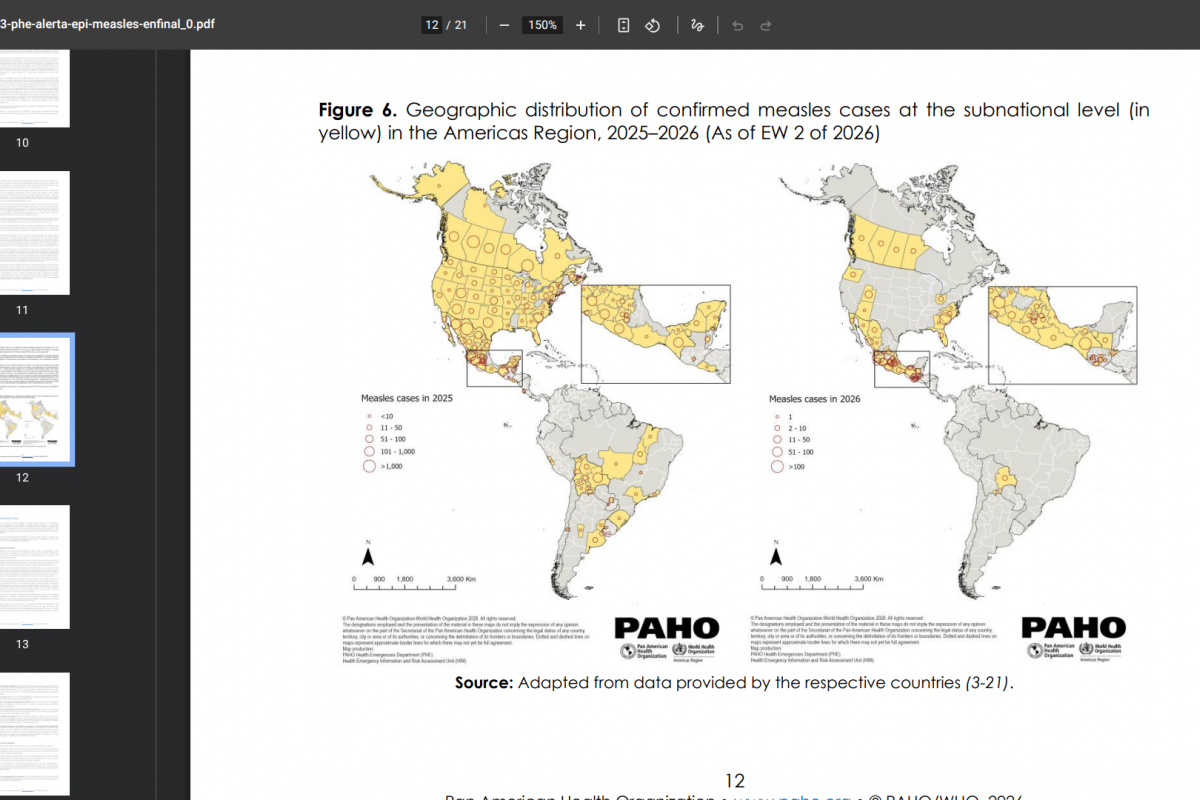
Mexican health authorities recently confirmed the country's first case of mpox caused by clade Ib of the monkeypox virus (MPXV).

According to a report from the World Health Organization (WHO) on January 9, 2026, the affected individual is an adult male with a recent travel history to Germany. He is currently receiving medical care in Mexico.

As of January 13, 2026, there is no indication of community transmission of MPXV in Mexico, but officials are monitoring the situation closely.

This case represents a significant development in Mexico's mpox surveillance efforts. Previous cases in the country since the global outbreak in 2022 have mainly involved clade II strains, primarily concentrated in urban areas such as Mexico City and Quintana Roo.

Clade Ib, a subclade of clade I, has emerged notably in Africa and is associated with more severe cases compared to clade II variants in specific contexts. Clade Ib is characterized by sustained human-to-human transmission and has been linked to more severe outcomes in vulnerable populations, such as those with weakened immune systems.

Historically, clade I has a higher case-fatality rate (3–11%) than clade II.

However, improved healthcare access in non-endemic countries has so far reduced fatalities among imported cases, according to the WHO.

The WHO has reported over 100 travel-associated clade Ib cases in high-income countries across Africa, Asia, Europe, the Middle East, North America, South America, and Australia, with no deaths recorded in these imported cases to date.

Since November 2024, there have been 10 reported cases of clade I mpox (Ib) in the United States. Most of these cases occurred in individuals who had recently traveled to areas with known clade I outbreaks or were linked to such travelers, such as household contacts.

This specific case highlights the ongoing global circulation of clade Ib and underscores the role of international travel in the spread of the virus.

Health authorities, including the WHO, state that the JYNNEOS® (MVA-BN®) vaccine offers cross-protection across different mpox clades because it is based on the vaccinia virus, which confers broad immunity to orthopoxviruses.

The WHO says vaccine protection is expected to be effective across clades, with no evidence of significant immune escape in clade Ib.

In the United States, JYNNEOS is offered at various clinics as of early 2026.

Jan 13, 2026 • 1:56 pm CST
Google Maps 2026

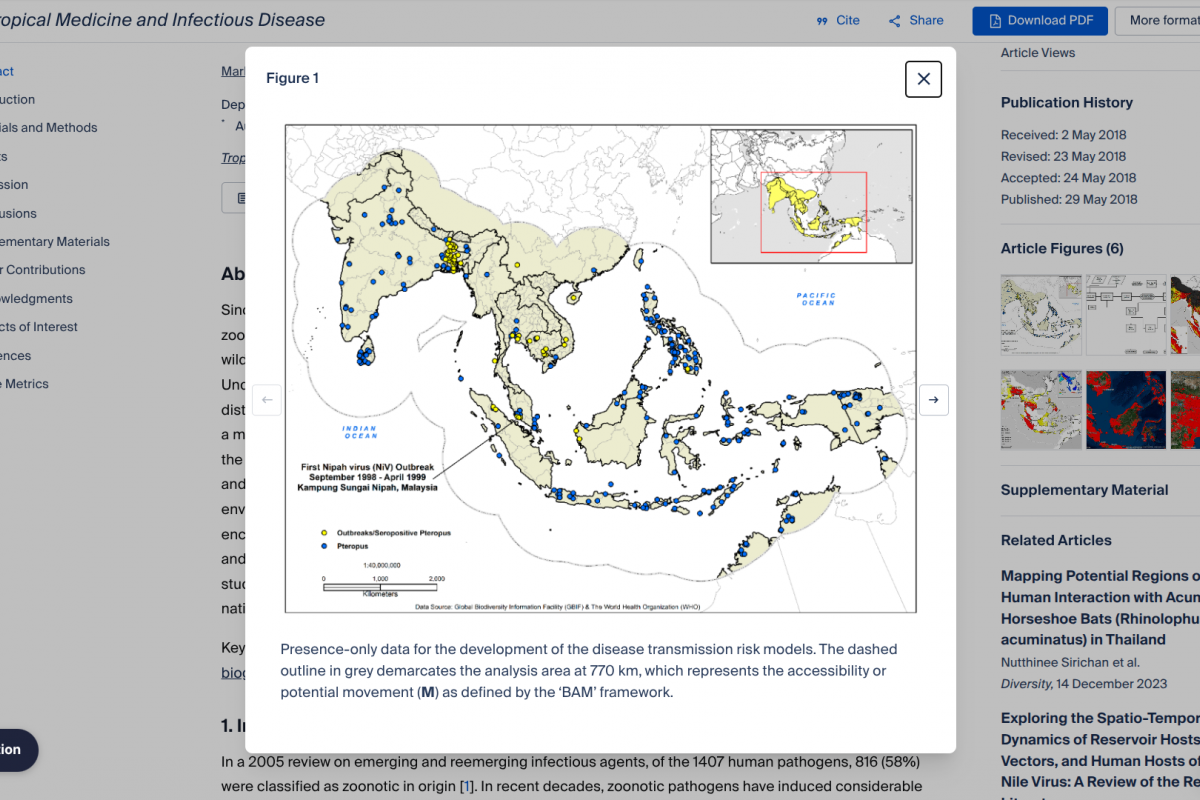
Health authorities in West Bengal, India, recently issued a high alert after detecting two suspected cases of the Nipah virus (NiV) at the Virus Research and Diagnostic Laboratory of the Indian Council of Medical Research at AIIMS Kalyani.

The cases, identified on January 11, 2026, involve two nurses who work at a private hospital in Barasat, in the North 24 Parganas district, near the Bangladesh border.

Both patients are in critical condition and are receiving ventilator support while in isolation, with preliminary tests indicating a possible Nipah infection.

According to local media reports on January 13, 2026, the Nipah virus was first identified during the 1998-1999 Malaysian outbreak and has since caused sporadic, high-fatality outbreaks in South Asia. 

Previous confirmed NiV cases in India were reported from Kerala state, specifically in the districts of Malappuram and Palakkad, along India's southwest coast.

According to the WHO's Disease Outbreak News in August 2025, four confirmed NiV cases, including two deaths, were reported in 2025.

As of 2026, there is no licensed Nipah vaccine available for humans, but research has accelerated due to the virus's priority status from the World Health Organization.

Key vaccine candidates include subunit vaccines targeting the fusion protein that have shown promise in Phase I trials for safety and immune response.

The University of Oxford launched the world's first Phase II trial in late 2025.

Other research platforms are exploring mRNA and peptide-based approaches.

According to research, vaccine experts estimate that a licensed vaccine could be available within five years, says Don Hackett, publisher of Vax-Before-Travel.com.

Jan 13, 2026 • 12:08 pm CST
WHO 2025

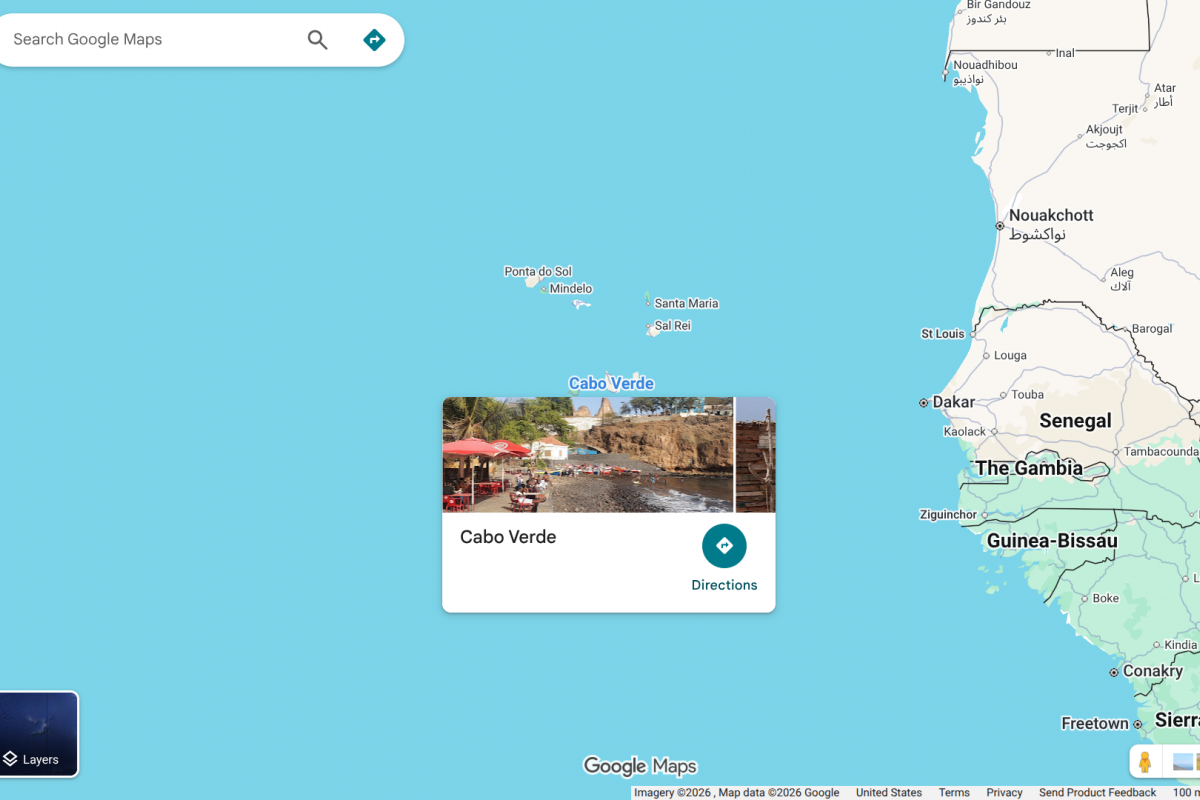
In a significant step toward enhancing global epidemic preparedness, the Serum Institute of India (SII), today announced it has partnered with the University of Oxford under the support of the Coalition for Epidemic Preparedness Innovations (CEPI) to establish an investigational reserve of the ChAdOx1 RVF vaccine candidate against Rift Valley fever (RVF).

This is an essential initiative as no RVF vaccine is currently available.

Confirmed on January 13, 2026, SII will produce up to 100,000 doses of the investigational ChAdOx1 RVF vaccine. An initial 10,000 doses are earmarked for a potential upcoming clinical trial to evaluate the candidate's safety and immunogenicity in outbreak-affected regions. The remaining doses will be maintained as a strategic investigational reserve, ready for rapid deployment in future outbreaks to generate critical clinical data and accelerate evidence for licensure.

ChAdOx1 RVF has completed Phase I trials. Results published from the UK and Uganda trials show it was safe and generated an immune response. A CEPI-supported Phase II trial, separate from the upcoming planned trial, began in Kenya in 2025.

This collaboration arrives as a deadly RVF outbreak continues to impact communities in West Africa, particularly in Sénégal and Mauritania.

According to the latest available World Health Organization (WHO) data, DON584 from 2025, over 600 confirmed human cases, including 47 related deaths, have been reported.

Under the licensing agreement, CEPI is providing up to $3.5 million to support the development, manufacturing, and creation of a reserve for this RVF vaccine candidate.

In a press release, Dr. Umesh Shaligram, Executive Director at SII, added, "Producing these doses at speed is a necessary step to ensure that vaccine candidates like ChAdOx1 RVF can be delivered when and where they're most needed."

Rift Valley fever is a mosquito-borne zoonotic disease that primarily affects livestock but can spill over to humans through contact with infected animals or bites from infected mosquitoes. While most human cases are mild, severe infections can lead to brain inflammation, hemorrhagic fever, and death.

The disease also devastates pastoral communities by causing massive livestock losses, impacting livelihoods and food security in affected regions across Africa and the Middle East.

This collaboration exemplifies proactive "100 Days Mission" principles, positioning the world to respond more effectively to emerging infectious threats like RVF.

Until a vaccine becomes available, the U.S. CDC, WHO, and others recommend that travelers to affected areas follow guidance on mosquito prevention and avoiding contact with potentially infected animals.

Jan 13, 2026 • 11:34 am CST
Google Maps 2026

The Texas Department of State Health Services (DSHS) today announced it is enhancing wildlife rabies prevention efforts in far West Texas.

Announced on January 13, 2026, the 32nd annual Oral Rabies Vaccination Program (ORVP) aims to protect both people and animals by vaccinating wildlife along the Texas-Mexico border.

Funded by the State of Texas and others, the ORVP has successfully reduced rabies cases significantly since it began over 30 years ago.

Last year, DSHS reported 19 confirmed positive rabies cases in animals from January to June 2025.

Additionally, the ORVP is now expanding to address the Arizona fox rabies variant from New Mexico, located 150 miles away.

Aerial bait distribution, a key component of the program, will begin from Alpine on January 16, 2026, and from Del Rio International Airport on January 21, weather permitting.

These efforts will occur in the Border Maintenance Zone, covering 19 counties, including El Paso, Hudspeth, and Cameron, as well as targeted urban areas around El Paso.

The vaccine baits, small plastic packets dipped in fish oil and fishmeal, are designed to attract wildlife like coyotes and foxes but pose no threat to pets or livestock.

The two-week operation will involve six to nine flights per day, dropping about 693,600 baits at a density of 50 baits per square mile. Residents should leave found baits undisturbed and can report any concerns to DSHS at 1-877-722-6725 or 512-776-7676.

DSHS continues to monitor all Texas counties for rabies outbreaks, such as red foxes near Austin, Texas.

For more information, visit the DSHS Oral Rabies Vaccination Program page.

Furthermore, rabies vaccines are available from various clinics throughout the United States.

Jan 12, 2026 • 4:03 pm CST
Google Maps 2026

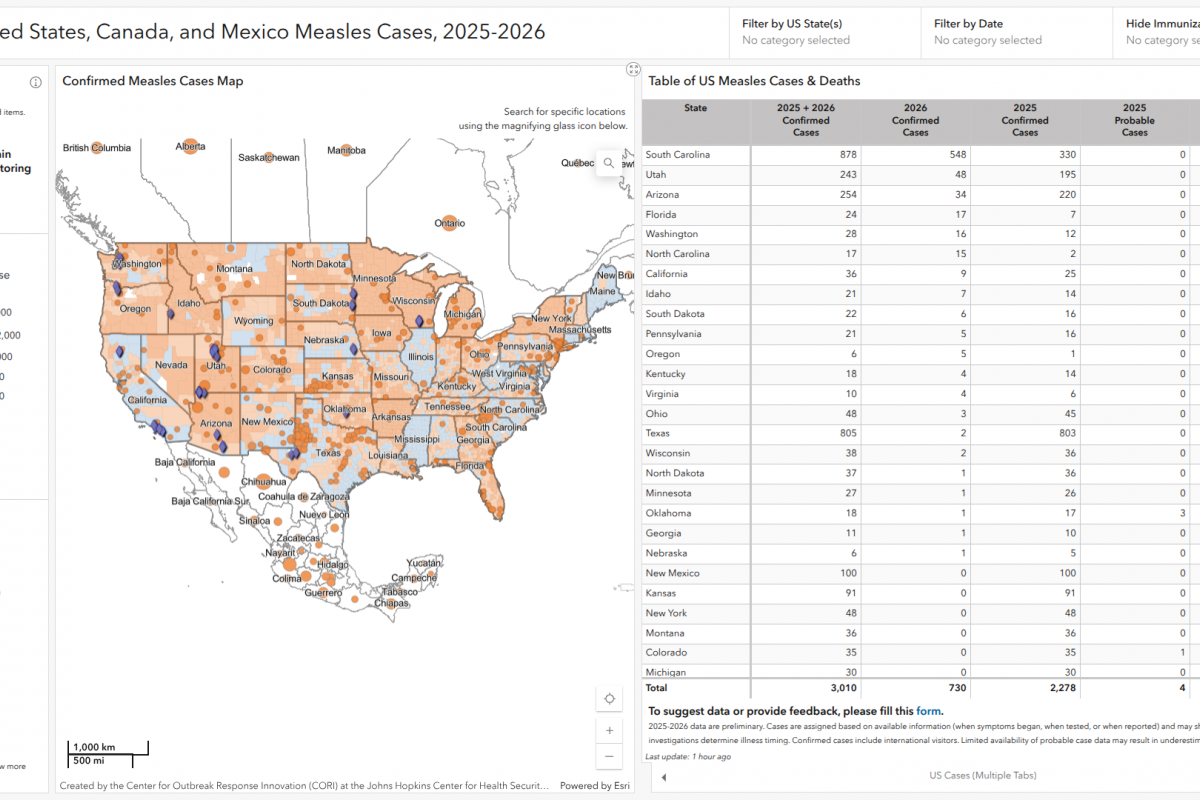
The South Carolina Department of Public Health (DPH) recently reconfirmed that an ongoing measles outbreak in the Upstate region during 2025 has extended into 2026.

On January 9, 2026, DPH reported 310 cases of measles in the current outbreak. Most of these measles cases were concentrated in Spartanburg County. Currently, about 256 infected people in SC were unvaccinated before infection.

DPH wrote Some cases are travel-related exposures or close contacts of known cases. Other cases have no identified source, suggesting that measles is circulating in the community and could spread further.

DPH has identified new public exposures at Jesse S. Bobo Elementary and began notifying potentially exposed students, faculty, and staff on December 30, 2025. Students from Jesse S. Bobo Elementary, Sugar Ridge Elementary, and Boiling Springs Elementary who quarantine successfully without becoming ill are scheduled to return to classes on January 10, 2026.

Separately, North Carolina has reported measles cases in early 2026 linked to travel/exposure in South Carolina, including three in Buncombe County, which is located north of Spartanburg County, SC.

As of January 12, 2026, measles vaccines are available at many primary care provider offices and pharmacies, as well as DPH Health Departments and the Buncombe County Immunizations Clinic at 40 Coxe Avenue, Asheville, NC.

Both county health departments say vaccination remains the best way to prevent measles and stop these outbreaks


Jan 12, 2026 • 3:09 pm CST
WHO December 2025

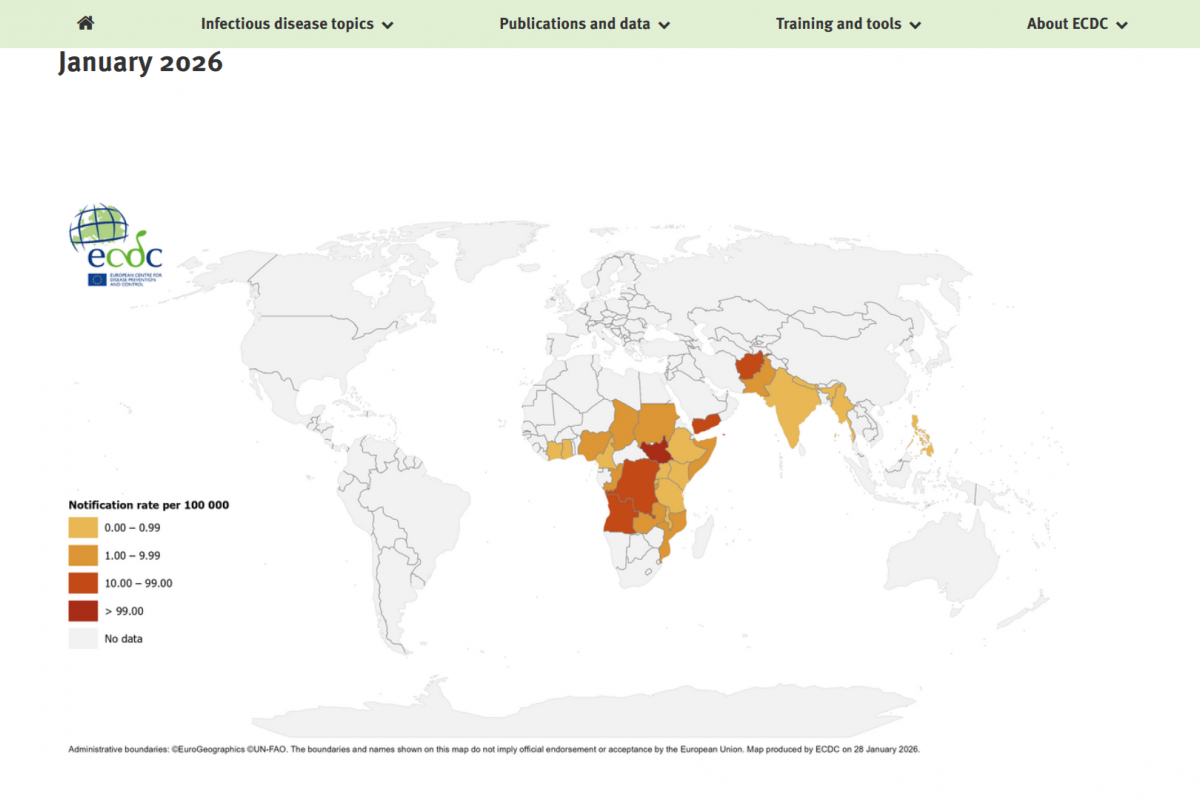
As we enter 2026, cholera outbreaks continue to be a significant global threat, despite decades of progress in controlling this severe disease.

The World Health Organization (WHO) has recorded seven cholera pandemics in the last two centuries, with the current seventh pandemic beginning in South Asia in 1961 and still ongoing.

As of December 31, 2025, the WHO has reported a total of 601,845 cholera cases and 7,671 deaths across 31 countries in Africa, Asia, the Middle East, and the Americas.

These numbers indicate persistent transmission across various WHO regions, particularly in the Eastern Mediterranean and African regions, which bear the most significant burden.

Preliminary data for 2025 suggest that case numbers and mortality rates are higher than in previous years. In lower-risk areas, such as the EU/EEA, cholera is uncommon and typically linked to travel from endemic regions.

According to the European Centre for Disease Prevention and Control (ECDC) on January 9, 2026, only 12 confirmed cases were reported across five EU/EEA countries in 2023.

This is a slight increase from 29 cases in 2022, two cases in 2021, and none in 2020.

All recent cases involved individuals with a travel history to affected areas. The WHO highlights vaccination as a crucial strategy in controlling cholera, especially for high-risk groups.

Oral cholera vaccines (OCVs), including WHO-prequalified options like Dukoral®, Euvichol-Plus®, and Euvichol-S®, are recommended for travelers at higher risk of exposure. Travelers planning to visit regions with active cholera transmission should consult travel health clinics to evaluate their personal risk factors and determine if an OCV immunization is appropriate in 2026.

When departing from the USA, OCVs are available at travel clinics in most states.

However, the WHO noted that increased OCV production has yet to meet growing global needs.

Jan 12, 2026 • 5:22 am CST
Google Maps 2026

As of early 2026, cases of tick-transmitted Lyme disease continue to be reported in various European countries.

Recently, health authorities in the Free State of Saxony, Germany, noted a significant increase in Lyme disease cases in 2025.

According to the Saxon State Office for Health and Veterinary Affairs, a total of 2,623 infections were reported as of December 29, 2025.

This data marks a 61% increase from the 1,626 cases recorded in 2024, and continues an upward trend from 1,484 cases in 2023.

The data rise aligns with reports of elevated tick-borne infections across multiple German federal states.  

During 2016−2020, nine federal states in Germany reported 63,940 LB cases, averaging 12,789 cases annually.

Fortunately, cases of tick-borne encephalitis, another serious tick-transmitted viral illness, decreased in Saxony in 2025 to 47 cases from 63 in 2024.

Currently, there is no approved vaccine for Lyme disease in humans in Europe and the United States.

However, promising developments are underway as Pfizer Inc. and Valneva SE are advancing their candidate VLA15, a multivalent protein subunit vaccine targeting the outer surface protein A of Borrelia bacteria.

VLA15 aims to block transmission from ticks to humans and covers prevalent serotypes in the USA and Europe.

Initially diagnosed in Lyme, Connecticut, ticks have spread this severe disease throughout the northeast sections of the USA.

As of January 12, 2026, these companies say 'regulatory filings are planned for 2026, subject to positive final clinical trial results.'

Jan 12, 2026 • 4:40 am CST
Texas DSHS

The Texas Department of State Health Services (DSHS) recently confirmed that an outbreak of rabies in wildlife across Hays County and the Austin metropolitan area, primarily affecting red foxes.

Hays County Judge Ruben Becerra issued a public health notice on Facebook on January 10, 2026, to alert residents about the situation. While officials have emphasized that there is no imminent threat to human life, rabies remains a serious and potentially fatal disease that can spread to pets, livestock, and humans through exposure, such as bites or scratches from infected animals.

Texas residents are advised to avoid approaching or handling any wildlife, especially if the animals appear disoriented, aggressive, or unusually tame. Hays County officials are working closely with local healthcare providers, veterinary services, and animal control agencies to monitor the outbreak and ensure readiness.

The Health Department says to protect themselves, their families, and their animals, officials recommend getting pets and livestock vaccinated against rabies as soon as possible. Texas law requires dogs and cats to be vaccinated.

Free rabies vaccination clinics are available in the county for animals, including one on January 17, 2025, at the PALS Clinic in San Marcos, TX.

While foxes are common carriers of the virus in central Texas, most rabies cases in the United States are related to bat bites. Travis County, which includes the Austin metro area, had the highest number of reported rabies cases with 68 cases (63 of which were bats) in 2024.

In 2025, DSHS and the U.S. Department of Agriculture conducted air-dropping of oral rabies vaccines in several states to help reduce wildlife outbreaks.

For humans, DSHS confirms rabies is a vaccine-preventable viral disease. Two types of vaccines protect people against rabies: nerve tissue and cell culture vaccines.

Jan 11, 2026 • 11:35 am CST
Google Maps January 11, 2026

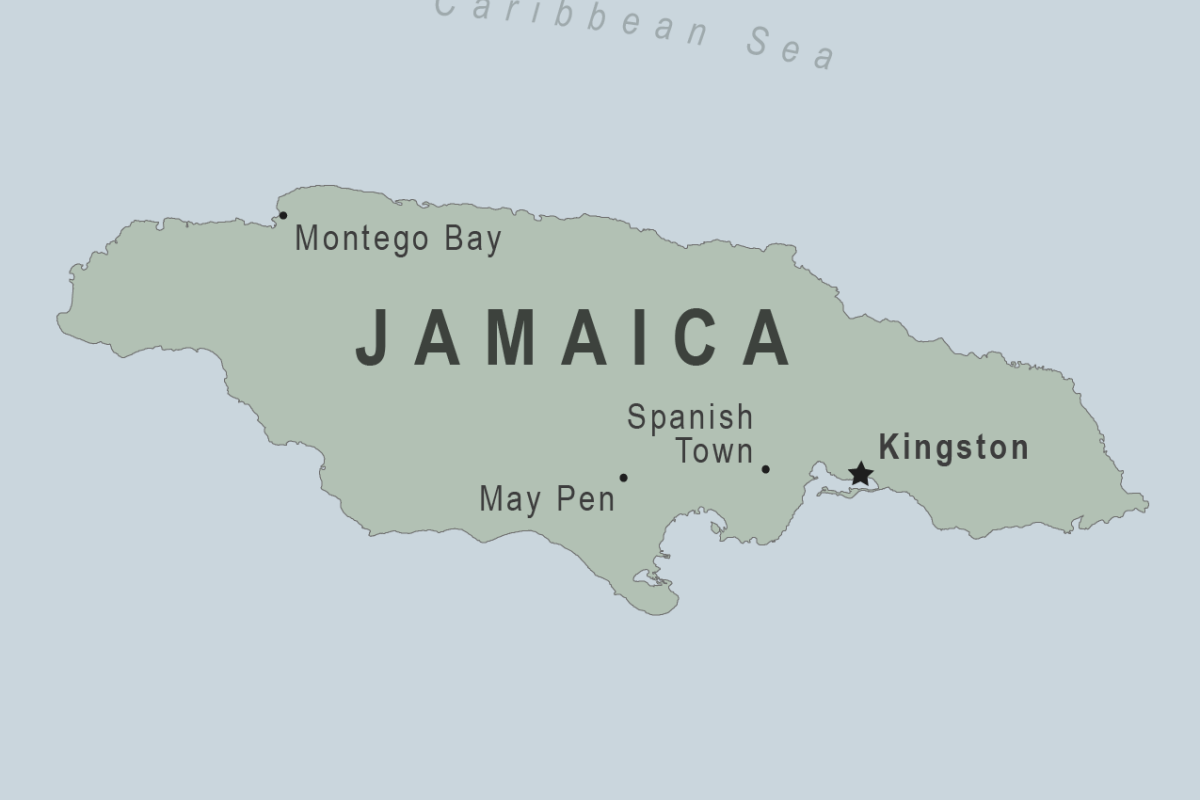
Health officials in Sri Lanka have reported a surprising surge in dengue fever cases early in the year, with 2,170 confirmed infections recorded during the first nine days of January 2026.

According to a report by Xinhua on January 10, 2026, Prashila Samaraweera, a Community Medical Specialist at the National Dengue Control Unit, indicated that there is a "high-risk dengue situation" across 41 Medical Officer of Health divisions.

The Sri Lankan Western Province has the highest number of cases, including the cities of Colombo, Gampaha, Kandy, Galle, Ratnapura, and Jaffna.

This early spike follows a challenging year in 2025, during which Sri Lanka reported around 50,000 dengue cases.

The World Health Organization (WHO) states that dengue is endemic year-round in Sri Lanka, which is located off India's southeast coast. Seasonal disease peaks are often associated with monsoon rains, as virus-carrying mosquitoes thrive in stagnant water.

Currently, there is no widely available dengue vaccine recommended for all travelers to Sri Lanka. Currently, three dengue vaccines are approved for use.

However, travelers and residents are advised to take preventive measures, such as eliminating standing water around homes and communities.

The WHO recommends that travelers planning to visit Sri Lanka prioritize mosquito protection measures to ensure their health from other diseases, such as chikungunya.

If departing from the United States for Sri Lanka, the CDC recommends vaccination for travelers visiting an area with a chikungunya outbreak in 2026. International travelers can obtain personal vaccination advice at local travel clinics in the USA.

Jan 11, 2026 • 10:54 am CST
by Michelle Pitzel

While the Zika virus (ZIKV) has faded mainly from global headlines since the major outbreaks of 2015-2016, low-level transmission of this mosquito-borne and sexually transmitted virus continues in parts of Mexico, according to recent data from health authorities.

As of January 11, 2026, the Pan American Health Organization (PAHO) and Mexico's National Epidemiological Surveillance System report that Mexico confirmed 30 autochthonous (locally acquired) Zika cases in 2024, with only four additional cases reported in 2025.

The three Mexican states with the highest number of ZIKV-positive cases during that outbreak were Veracruz, Nuevo León, and Yucatán. These areas, particularly in coastal and lowland regions, remain at-risk for millions of visitors each year due to the presence of Aedes mosquitoes.

A study published in October 2025 analyzed data from the 2016-2018 outbreak period in Mexico, reviewing 13,259 suspected ZIKV cases tested by RT-qPCR from August 2016 to January 2018. Of these cases, 10.7% (1,419) tested positive for Zika virus disease (ZVD).

Notably, 25% (3,313) of the ZIKV-positive cases were in pregnant women, highlighting the ongoing risk to maternal and fetal health during periods of higher virus circulation.

The PAHO and the U.S. Centers for Disease Control and Prevention (CDC) say ZIKV infection during pregnancy can lead to serious complications, such as congenital Zika syndrome, which includes microcephaly and other congenital disabilities.

The CDC classifies Mexico as having current or past Zika transmission and ZVD, which indicates a potential risk.

However, as of January 11, 2026, no CDC Travel Health Notice for Zika is in effect for Mexico. The CDC has shifted away from blanket recommendations against travel for pregnant women to Mexico but continues to advise caution.

These health agencies advise travelers, especially pregnant women or those planning pregnancy, to take strict measures to prevent mosquito bites when visiting at-risk areas such as Mexico.

Although there is currently no Zika vaccine available, clinical research continues.

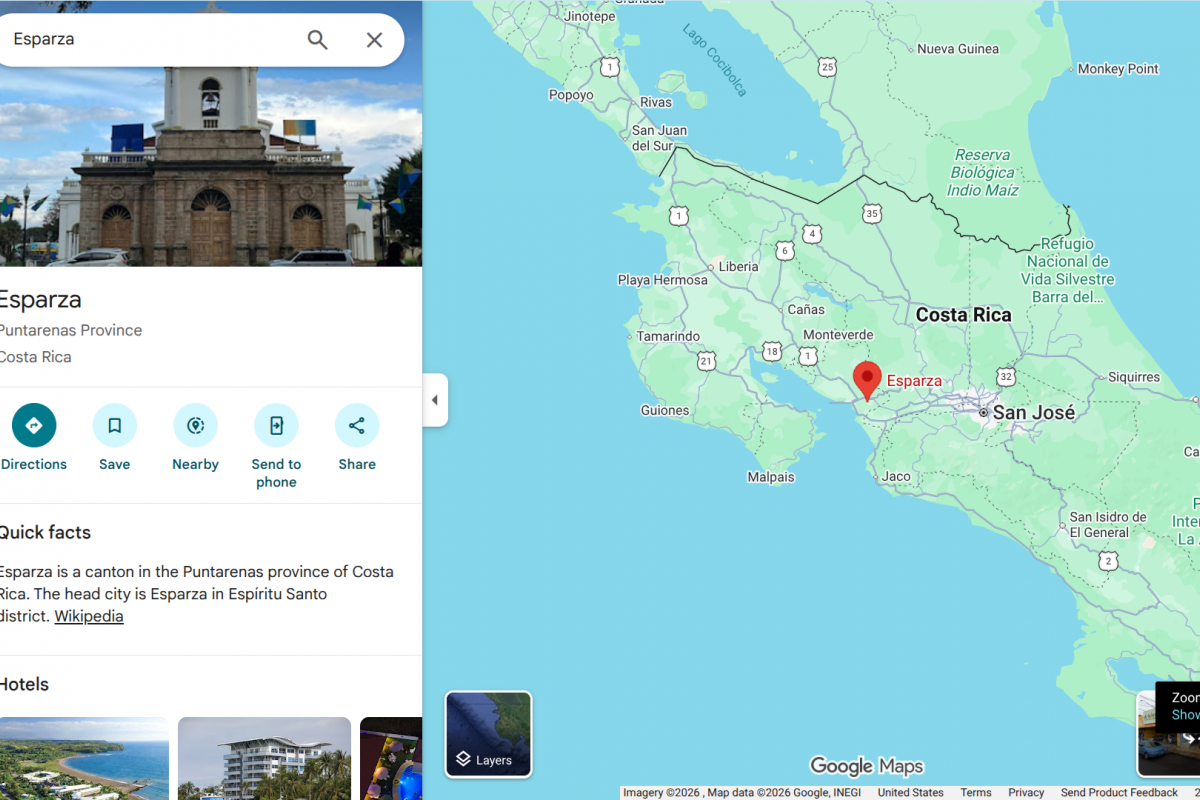
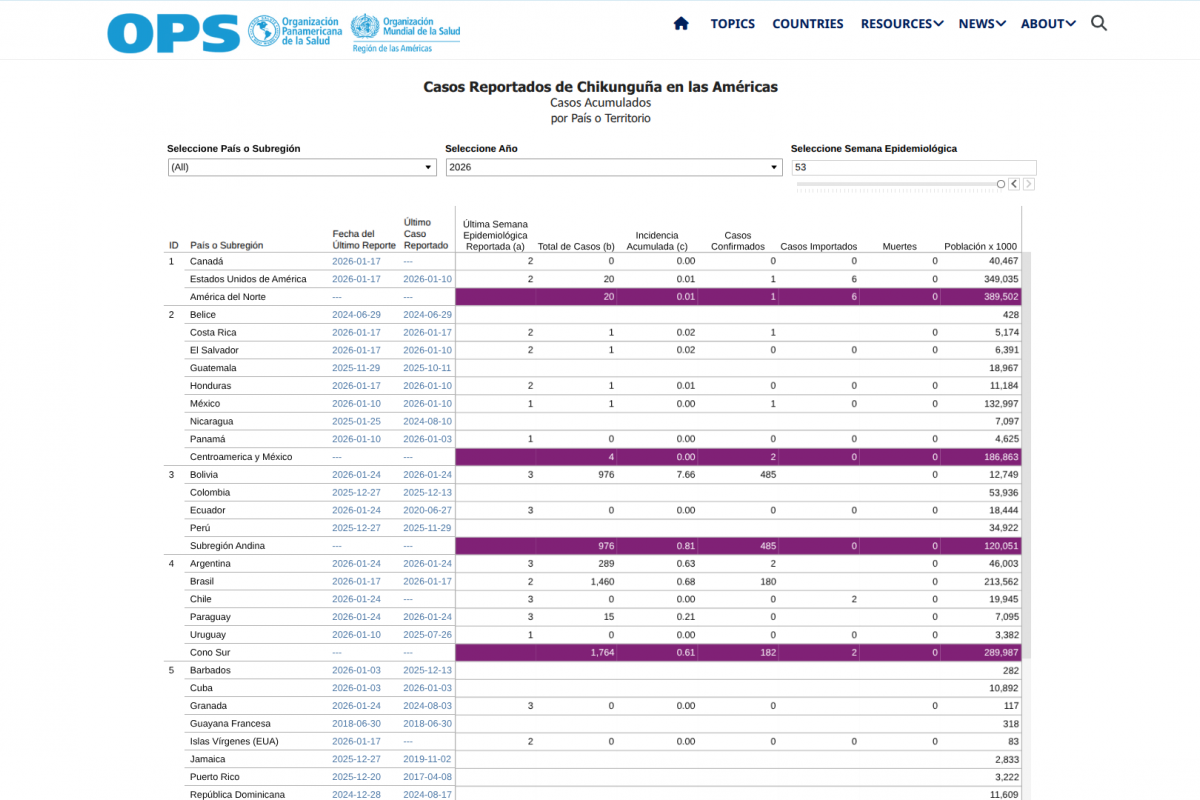
Recent data from PAHO dashboards indicate that sporadic Zika confirmations have been reported in Brazil, Bolivia, Colombia, Costa Rica, El Salvador, Guatemala, and Peru.

Jan 10, 2026 • 2:43 pm CST
US CDC 2026

Peru's Ministry of Health (MINSA) today announced that it is urging both domestic and international tourists to prioritize yellow fever prevention when planning trips to the country's rural and jungle areas, which are known to be endemic for the mosquito-transmitted disease.

Given the ongoing risk of transmission, MINSA stated in a press release on January 10, 2026, that the most effective protection against yellow fever is vaccination.

During the first half of 2025, Peru reported 35 confirmed human cases of yellow fever, including 12 deaths (case fatality rate of approximately 34%).

The regions with the highest risk include Amazonas, San Martín, Junín, Ayacucho, Cusco (rural areas only), Loreto, Madre de Dios, Huánuco, Pasco, Puno, and Ucayali. Urban areas, such as the city of Cusco, Machu Picchu, and the Inca Trail, are not included in these warnings.

In Peru, MINSA recommends that travelers receive the vaccine at least 10 days before visiting at-risk areas.

The yellow fever vaccine (Stamaril, YF-Vax) is free, safe, and provides lifelong protection with just a single dose. It is recommended for individuals aged 15 months to 59 years.

In 2025, between 3 and 5 million people visited Peru, with over 1 million traveling to Machu Picchu.

While Peru does not require proof of yellow fever vaccination for entry in all cases, visitors should consult a healthcare provider to confirm their eligibility for immunization.

Additionally, travelers may need to present an International Certificate of Vaccination or Prophylaxis, commonly referred to as the "yellow card," as proof of vaccination at some entry points.

When departing from the United States for Peru, the Centers for Disease Control and Prevention recommends the YF-Vax vaccine for all travelers ≥9 months old traveling to areas below 7,550 ft elevation in at-risk regions. This vaccine is commercially offered at travel clinics in 2026.

Jan 10, 2026 • 6:05 am CST
PAHO/WHO January 9, 2026

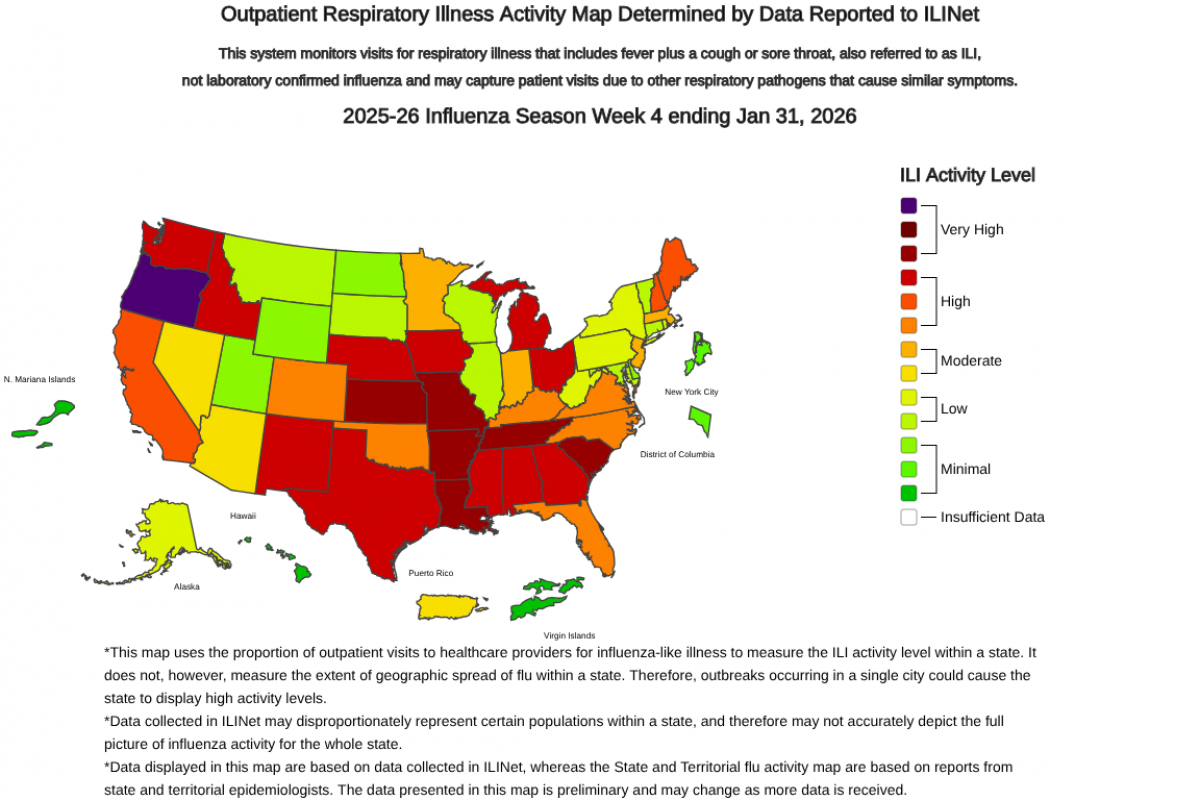
The Pan American Health Organization/World Health Organization (PAHO/WHO) issued an alert today regarding the possibility of earlier or more intense respiratory virus activity during the 2025-26 season compared to previous years.

As of January 9, 2026, PAHO/WHO recommends that Member States remain vigilant to adjust their health service preparedness and organizational plans in anticipation of possible concurrent outbreaks of seasonal influenza and respiratory syncytial virus.

Globally, influenza activity has increased since late 2025.

Some countries are reporting an early onset of the influenza season, with influenza A(H3N2) viruses being the most predominant, while A(H1N1)pdm09 is the primary strain in the Andean subregion.

In the Americas Region, the influenza positivity rate remains above 10% in the Northern Hemisphere. The intensity of activity varies, with positivity levels approaching 20% in the Caribbean and Central America.

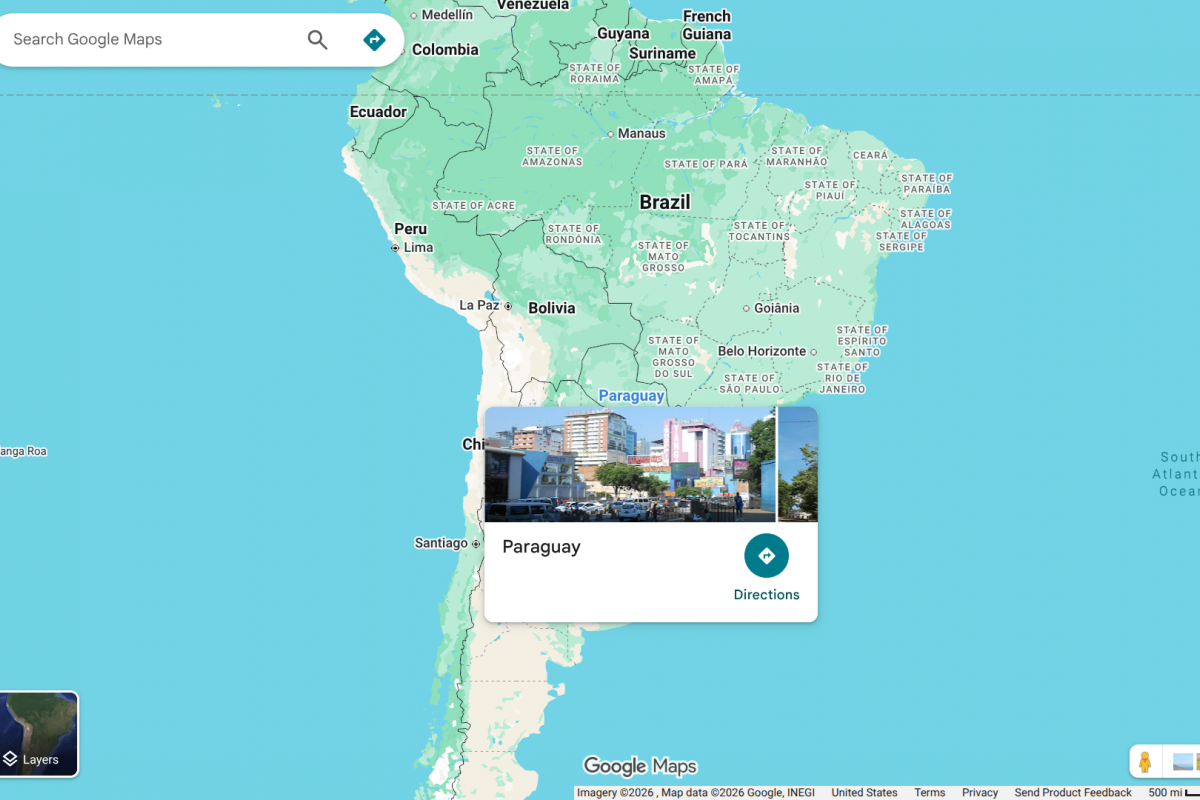
Countries such as Barbados, Canada, Ecuador, Guatemala, Nicaragua, Panama, Paraguay, and the United States are reporting high levels of influenza circulation.

In contrast, RSV circulation remains low.

Regarding this season's flu shots' effectiveness, many are questioning whether the updated vaccines provide adequate protection against the disease.

A study from the University of Pennsylvania released on January 6, 2026, found that while subclade K viruses are antigenically advanced compared to the vaccine strain, the 2025-2026 vaccine still elicited robust antibody responses in many participants.

Furthermore, the PAHO/WHO recommends flu shots for international travelers before visiting outbreak areas.

Access to influenza vaccines remains robust in the USA, with most clinics and pharmacies offering services as of January 10, 2026.

Jan 9, 2026 • 3:44 pm CST
by Sunè Theron

Camel tours remain a bucket-list experience for international tourists visiting the Middle East and North Africa, with global participation in 2025 estimated in the hundreds of thousands.

Popular destinations such as Morocco's Sahara Desert, Egypt's Giza Plateau, and the Kingdom of Saudi Arabia (KSA) desert landscapes continue to draw visitors eager for camel rides in the desert, often without reported incidents.

However, health officials are urging travelers to exercise caution due to recent updates regarding the Middle East respiratory syndrome coronavirus (MERS-CoV).

On January 9, 2026, the European Centre for Disease Prevention and Control (ECDC) and the World Health Organization (WHO) reported new cases of MERS-CoV, highlighting the ongoing zoonotic risk posed by dromedary camels.

According to the ECDC's update, there have been a total of 19 MERS-CoV cases reported worldwide since the beginning of 2025, including four fatalities.

Notably, 17 of these cases, which also include the four deaths, originated in the KSA and were spread across regions such as Riyadh, Taif, and Najran.

The ECDC's situation overview indicates that since MERS-CoV was first identified in 2012, authorities have recorded approximately 2,635 to 2,647 laboratory-confirmed cases globally, with 959 to 964 deaths, resulting in a case fatality ratio of around 37%.

The vast majority of these cases (over 84%) have occurred in the KSA.

MERS-CoV is a zoonotic virus primarily transmitted through direct or indirect contact with infected dromedary camels or the consumption of raw or undercooked camel products, including milk. While human-to-human transmission mainly occurs in close-contact settings like hospitals, sustained community spread remains rare.

The ECDC assesses the overall global and regional risk as moderate and notes that the recent cases prompt no changes.

However, travelers—especially those with underlying conditions such as diabetes, chronic lung disease, or weakened immune systems—are advised to avoid close contact with camels, whether at farms, markets, or during tourist rides. It is also recommended to refrain from consuming raw camel milk, urine, or undercooked meat.

Local health authorities are closely monitoring the situation and, at this time, do not recommend any travel restrictions or special entry screening. Travelers planning desert experiences should consult updated health advisories before their departure, according to the ECDC.

The World Health Organization (WHO), in its latest fact sheet (updated December 11, 2025), states that "No vaccine or specific treatment is currently available" for MERS-CoV. However, several candidates are in development."

Multiple promising platforms have advanced to early clinical stages, including viral vector-based candidates like ChAdOx1 MERS and MVA-MERS-CoV.

However, challenges persist in MERS vaccine clinical trials, as low case numbers make large-scale Phase 3 efficacy trials difficult.

Jan 9, 2026 • 12:57 pm CST
PharmaJet 2026

As the global effort to eradicate polio intensifies in 2026, needle-free technology is becoming increasingly popular in the Middle East and surrounding regions.

In a notable advancement for polio eradication in one of the world's last endemic countries, Afghanistan's polio program began using needle-free technology for the first time in late 2025.

During a multi-phase fractional inactivated polio vaccine (fIPV) campaign in Afghanistan's eastern region, the initiative targeted over 1.2 million children across 50 districts in four provinces.

The new intradermal jet injectors—also known as needle-free devices—were combined with the oral polio vaccine (OPV) to enhance immunity against wild poliovirus type 1 (WPV1).

This innovative approach provided children with both a fractional IPV dose via jet injector and the oral vaccine, offering dual layers of protection against polio.

The PharmaJet Tropis® ID system, a WHO-prequalified needle-free injector, delivered tiny, precise streams of the fractional-dose IPV through the skin in a split second. This painless method eliminated the need for needles, reducing fear among children and caregivers while improving acceptance in remote and high-risk communities.

Speaking about the campaign to the Polio Eradication Initiative on January 1, 2026, polio vaccinator Mohammad Ibrahim expressed his excitement in a press release: "It is much easier than needle injections. I'm confident to go into the field and vaccinate children."

Vaccinator Zahir Islam noted that when communities learned the device was needle-free and painless, they became eager to participate. Community and religious leaders endorsed the method as safer and faster, helping to rebuild trust in vaccination efforts. This campaign not only provided essential protection but also strengthened community engagement in a region critical to global polio eradication.

As of late 2025, Afghanistan had reported around 9 WPV1 cases, confirmed in provinces like Uruzgan, Helmand, Badghis, Nuristan, Paktika, and Farah.

This new, large-scale introduction builds on the successful use of the Tropis system in countries like Egypt.

In November 2025, PharmaJet announced the incorporation of Tropis into immunization programs, supporting Egypt's "1000 Golden Days" initiative.

These polio eradication programs are essential, as a WHO Committee unanimously concluded in 2025, the risk of the international spread of poliovirus continues to constitute a Public Health Emergency of International Concern.

In the long term, the manufacturing of Tropis and other needle-free product development initiatives may expand the benefits of vaccination against other infectious diseases and enhance pandemic preparedness.

Jan 9, 2026 • 6:57 am CST
US NIH

With over 40 million people living with HIV and more than 1 million new infections annually, the need for an effective preventive vaccine remains urgent.

On December 15, 2025, the first doses of experimental HIV vaccine antigens were administered at the Perinatal HIV Research Unit in Soweto, South Africa, marking the launch of the IAVI G004 Phase 1 clinical trial.

This trial advances the IAVI/Scripps Research strategy to train the immune system to produce broadly neutralizing antibodies (bnAbs) capable of protecting against diverse HIV strains. IAVI G004 builds on positive proof-of-concept data from earlier studies (G001, G002, and G003). It will evaluate three mRNA-based immunogens developed by IAVI and Scripps Research: eOD-GT8 60mer, Core-g28v2 60mer, and N332-GT5 gp151, delivered using Moderna's mRNA platform.

"It is very exciting to see the launch of the IAVI G004 clinical trial," said Mark Feinberg, M.D., Ph.D., President and CEO of IAVI, in a press release on January 6, 2026.

"We believe this is the most promising path toward an effective HIV vaccine."

Funding for the trial comes from the Bill & Melinda Gates Foundation, with materials manufactured by Moderna. The government of the Netherlands has provided additional support.

Currently, no HIV vaccine of any kind has been approved by the U.S. Food and Drug Administration (FDA), but scientists are actively pursuing new approaches. Therapeutic HIV vaccines are only available through a clinical trial.

The FDA says exploring therapeutic HIV vaccines to achieve HIV remission or a functional cure is essential, keeping viral load suppressed without the need for antiretroviral therapy. Ongoing HIV and AIDS clinical trials include studies of new HIV medicines, vaccines to prevent or treat HIV, and medicines to treat infections related to HIV and AIDS.