Visiting Cape Verde in 2026 Includes Shigella Sonnei Risk
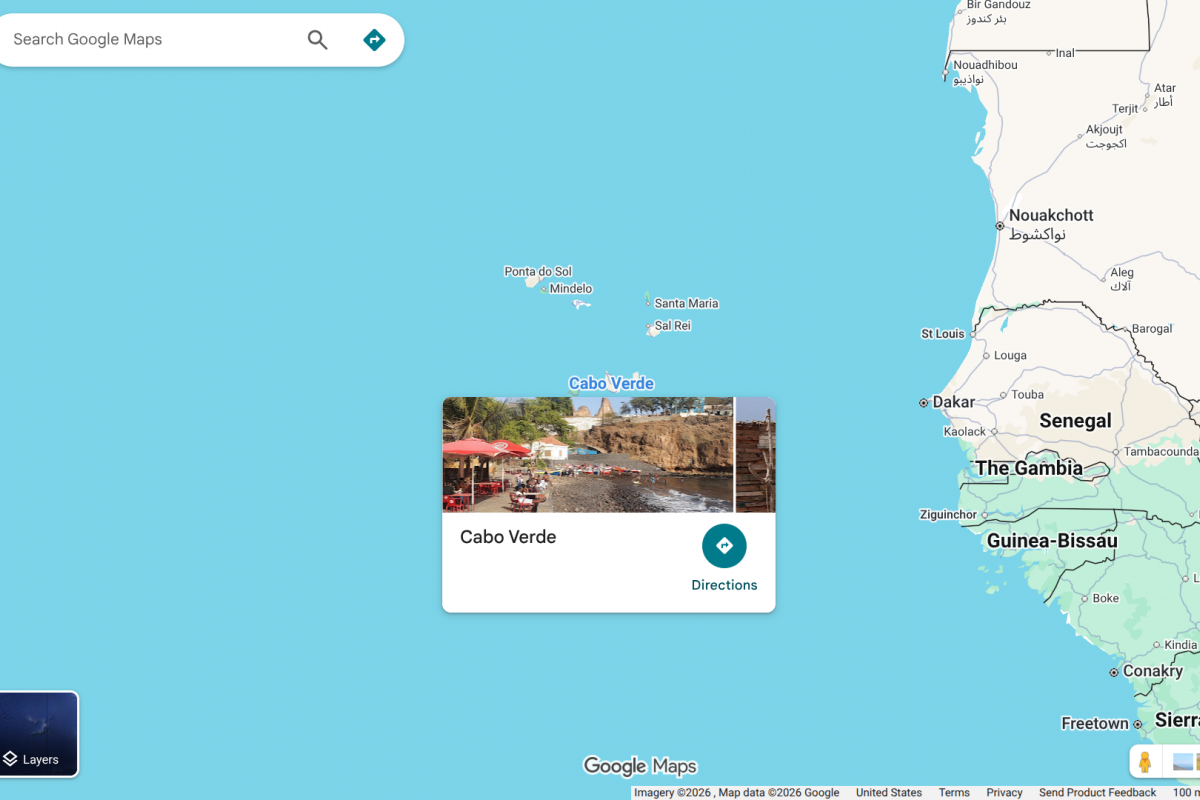
As the February 2026 vaccination plans are being formed, the UK Health Security Agency (UKHSA) has issued an important reminder for travelers heading to Cape Verde to take extra precautions against gastrointestinal infections when visiting the West African archipelago.
As of February 5, 2026, recent UKHSA data indicate a significant cluster of Shigella sonnei cases, a bacterial cause of severe dysentery-like illness, along with multiple clusters of non-typhoidal Salmonella infections strongly linked to recent travel to Cape Verde.
Since October 1, 2025, the UKHSA has confirmed 158 cases of Shigella sonnei in travelers returning to England, Scotland, and Wales. Of the 118 cases where international travel was reported, 112 (94.9%).
Many travelers to Cape Verde have visited the Santa Maria area on Sal Island and the Boa Vista area, popular resorts known for their beaches.
The UKHSA says this strain of Shigella sonnei shows no genomic resistance to the common antimicrobials typically used to treat traveler's diarrhea, which could facilitate treatment if an infection occurs.
Additionally, 32 cases were linked to travel to Cape Verde during the same period.
Investigations into the outbreaks are ongoing and involve international health partners. Cases have also been reported in other European countries, particularly from September to November 2025.
Shigella and Salmonella are primarily transmitted through contaminated food and water, poor hygiene practices, and person-to-person contact. The risk of infection is especially heightened in resort settings.
Symptoms typically appear within a few days, and while most people recover within a week with supportive care (with hydration being crucial), severe cases can lead to dehydration, hospitalization, or complications. This is particularly concerning for vulnerable groups such as young children, the elderly, and individuals with weakened immune systems.
The UKHSA emphasizes that while Cape Verde is a popular travel destination, increased vigilance can help prevent illness and ensure a safe holiday. Travelers who experience symptoms upon returning should seek medical advice and inform their doctor about their travel history.
From a prevention standpoint, no Shigella vaccine has received regulatory approval from any health authority as of February 2026.
However, the Shigella4V (S4V or S4V2) vaccine candidate received U.S. FDA Fast Track designation in 2024. Phase 2 studies (including in infants) are underway, but no Phase 3 completion or approval has been achieved yet.
Our Trust Standards: Medical Advisory Committee