Camel Rides and MERS Shouldn't Mix in 2026
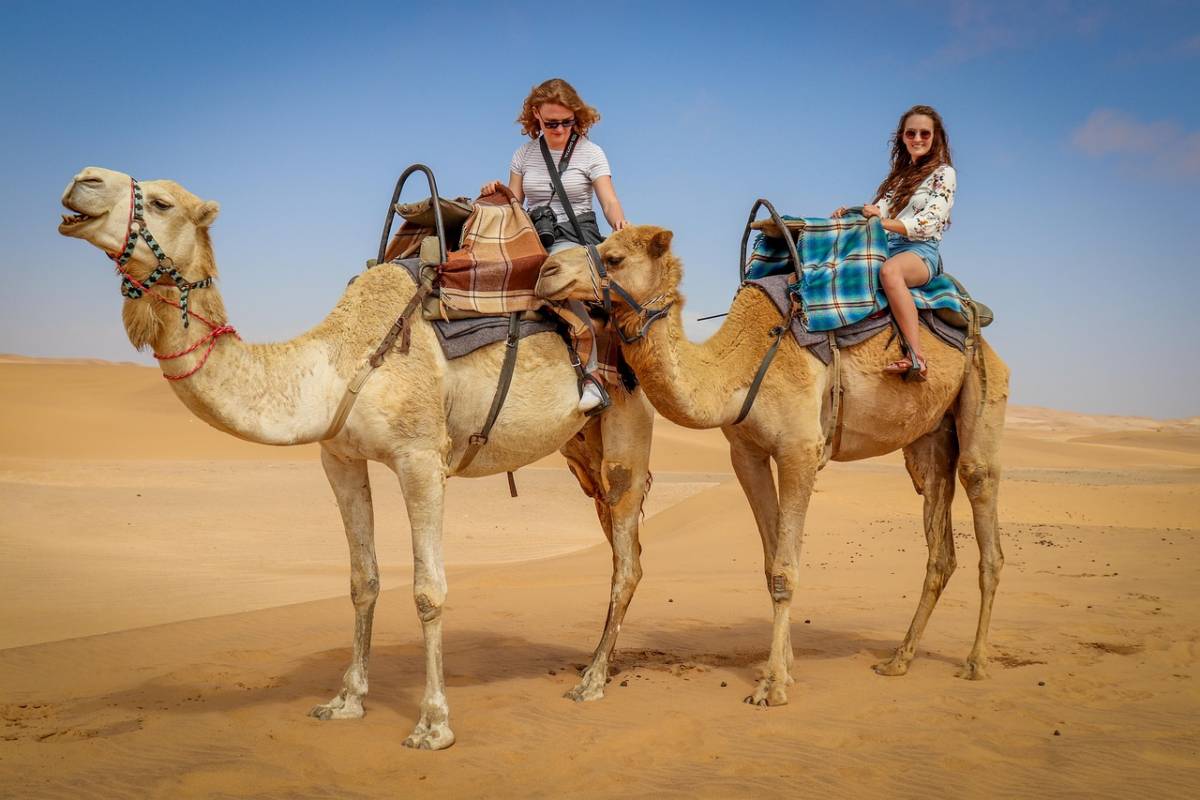
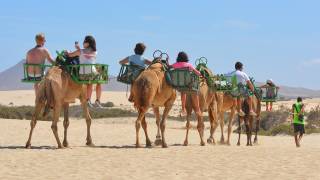
Camel tours remain a bucket-list experience for international tourists visiting the Middle East and North Africa, with global participation in 2025 estimated in the hundreds of thousands.
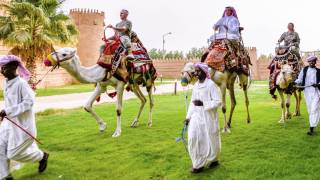
Popular destinations such as Morocco's Sahara Desert, Egypt's Giza Plateau, and the Kingdom of Saudi Arabia (KSA) desert landscapes continue to draw visitors eager for camel rides in the desert, often without reported incidents.
However, health officials are urging travelers to exercise caution due to recent updates regarding the Middle East respiratory syndrome coronavirus (MERS-CoV).
On January 9, 2026, the European Centre for Disease Prevention and Control (ECDC) and the World Health Organization (WHO) reported new cases of MERS-CoV, highlighting the ongoing zoonotic risk posed by dromedary camels.
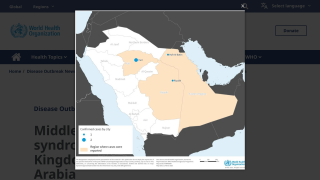
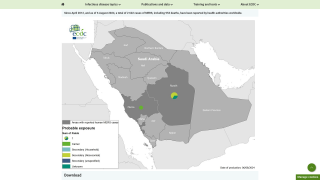
According to the ECDC's update, there have been a total of 19 MERS-CoV cases reported worldwide since the beginning of 2025, including four fatalities.
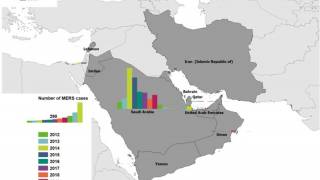
Notably, 17 of these cases, which also include the four deaths, originated in the KSA and were spread across regions such as Riyadh, Taif, and Najran.
The ECDC's situation overview indicates that since MERS-CoV was first identified in 2012, authorities have recorded approximately 2,635 to 2,647 laboratory-confirmed cases globally, with 959 to 964 deaths, resulting in a case fatality ratio of around 37%.
The vast majority of these cases (over 84%) have occurred in the KSA.
MERS-CoV is a zoonotic virus primarily transmitted through direct or indirect contact with infected dromedary camels or the consumption of raw or undercooked camel products, including milk. While human-to-human transmission mainly occurs in close-contact settings like hospitals, sustained community spread remains rare.
The ECDC assesses the overall global and regional risk as moderate and notes that the recent cases prompt no changes.
However, travelers—especially those with underlying conditions such as diabetes, chronic lung disease, or weakened immune systems—are advised to avoid close contact with camels, whether at farms, markets, or during tourist rides. It is also recommended to refrain from consuming raw camel milk, urine, or undercooked meat.
Local health authorities are closely monitoring the situation and, at this time, do not recommend any travel restrictions or special entry screening. Travelers planning desert experiences should consult updated health advisories before their departure, according to the ECDC.
The World Health Organization (WHO), in its latest fact sheet (updated December 11, 2025), states that "No vaccine or specific treatment is currently available" for MERS-CoV. However, several candidates are in development."
Multiple promising platforms have advanced to early clinical stages, including viral vector-based candidates like ChAdOx1 MERS and MVA-MERS-CoV.
However, challenges persist in MERS vaccine clinical trials, as low case numbers make large-scale Phase 3 efficacy trials difficult.
Our Trust Standards: Medical Advisory Committee