Coronavirus Breaking News

The coronavirus disease COVID-19 is currently reaching pandemic levels in various countries.

Jan 8, 2026 • 2:19 pm CST
ECDC January 8, 2026

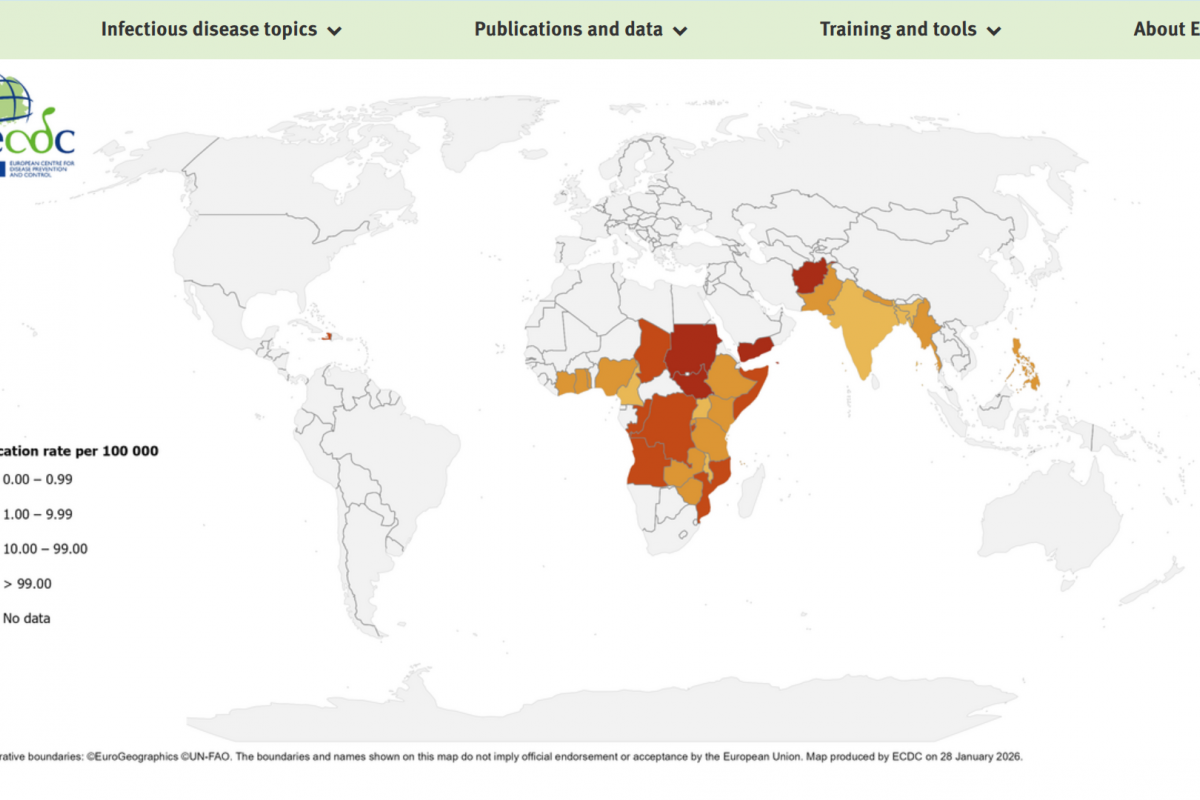
In 2025, mainland Europe saw a notably high number of locally acquired chikungunya virus cases, primarily in France and Italy. Chikungunya outbreaks in 2025 highlight the growing health risk of mosquito-borne diseases to residents and visitors in Europe.

This represented a significant increase compared to previous years, driven by the presence of the Aedes albopictus mosquito vector and favorable summer conditions.

According to the European Centre for Disease Prevention and Control (ECDC) seasonal surveillance report as of December 31, 2025, a total of 788 cases were reported in France and 384 cases in Italy, all locally acquired.

As of January 8, 2026, no new cases have been reported, and all clusters in both countries are now closed. The ECDC has concluded that until weather conditions change, there is minimal risk until the warmer spring or summer months.

As of early 2026, two chikungunya vaccines have been authorized for use in the European Union: IXCHIQ, a live-attenuated single-dose vaccine approved in June 2024, and VIMKUNYA, a non-live virus-like particle vaccine approved in February 2025. Both vaccines protect against the virus, with VIMKUNYA serving as an alternative for those who may not be suitable candidates for live vaccines.

Vaccine availability varies by member state, and vaccination is generally recommended for travelers to endemic areas in France and Italy.

The ECDC says these vaccines represent a crucial tool in preventing future outbreaks amid the expanding presence of mosquito vectors in Europe.

In the United States, chikungunya vaccines are commercailly offered at travel clinics such as Passport Health.

Jan 8, 2026 • 6:31 am CST
by Gerd Altmann

With nine reported pediatric fatalities related to influenza this season, many are questioning whether the updated vaccines provide adequate disease protection.

A new preprint study from researchers at the University of Pennsylvania (UPenn) offers encouraging insights into the ongoing 2025-2026 influenza season, which has been dominated by a drifted variant of the H3N2 virus known as subclade K.

The study, posted on medRxiv on January 6, 2026, examined blood samples from vaccinated individuals to assess how well the current seasonal flu vaccine triggers antibodies against this emerging strain.

Subclade K, characterized by several key substitutions in the hemagglutinin (HA) protein—including mutations like K2N, S144N, N158D, and others, which emerged late in 2025- was not included in the Northern Hemisphere vaccine formulation.

These UPenn researchers found that while subclade K viruses are antigenically advanced compared to the vaccine strain, the 2025-2026 vaccine still elicited robust antibody responses in many participants.

Before vaccination, only about 11% of individuals had neutralizing antibodies against subclade K.

After receiving the flu shot, this figure rose to around 39%.

Lead researcher Scott Hensley, a professor of microbiology at the UPenn, described the results as "unexpected good news."

The findings suggest that the vaccine is likely to provide meaningful protection against infections caused by subclade K, particularly against severe outcomes such as hospitalization.

This news comes amid a challenging flu season, with subclade K driving the majority of cases across the U.S. and globally.

U.s. Centers for Disease Control and Prevention (CDC) data for Week 52 indicate H3N2 accounts for nearly all influenza activity so far, with subclade K comprising over 90% of characterized H3N2 viruses.

Vaccine experts at the CDC emphasize that vaccination remains the best tool available, even against mismatched strains. Furthermore, there is an ample supply of flu shots offered at clinics and pharmacies in 2026

This preprint has not yet undergone peer review, but preliminary data align with observations from public health agencies monitoring the season.

Jan 7, 2026 • 12:15 pm CST
US CDC January 7, 2026

The South Carolina Department of Public Health (DPH) has reported an additional 26 cases of measles, bringing the total number of cases in Upstate South Carolina to 211.

As of January 6, 2026, DPH confirmed that 196 of these cases were among unvaccinated individuals.

Currently, 144 people are in quarantine, and seven individuals are in isolation, with the latest quarantine period ending on January 28, 2026.

Based on the recent cases in South Carolina, DPH has identified public exposure at two schools: Sugar Ridge Elementary and Boiling Springs Elementary.

Exposures have also been reported at several churches, including Tabernacle of Salvation Church, Slavic Pentecostal Church of Spartanburg, Unitarian Universalist Church of Spartanburg, and Ark of Salvation Church.

Although complications from measles are not reportable, DPH has learned that four individuals, including both adults and children, required hospitalization due to complications. Additional cases received medical care for measles but were not hospitalized.

DPH emphasizes that vaccination is the most effective way to prevent measles and stop this outbreak.

The department has confirmed it will prioritize requests for MMR vaccination events if received and will take steps to increase appointment availability for MMR vaccinations at health department locations, should demand rise. Vaccines are available at many primary care providers' offices, pharmacies, and DPH Health Departments.

According to the U.S. CDC, North Carolina has also reported measles cases in 2026.

The North Carolina Department of Health and Human Services and the Buncombe County Health and Human Services Division of Public Health announced additional measles cases among three siblings in Buncombe County. The family had recently visited Spartanburg County, South Carolina.

The CDC also clarified that measles vaccine breakthrough cases are rare, as the two-dose MMR vaccine regimen is highly effective, typically over 97% effective at preventing the disease

Jan 7, 2026 • 9:30 am CST
Pixabay 2026

The United Kingdom recently launched its routine childhood vaccination program against chickenpox (varicella).

Effective from January 1, 2026, this program introduces a combined measles, mumps, rubella, and varicella (MMRV) vaccine into the national immunization schedule.

According to the UK Health Security Agency article, this program is aimed at young children. It addresses a disease that affects hundreds of thousands each year and can lead to severe complications.

The vaccination program is offering two doses of the MMRV vaccine at 12 months and 18 months for those born on or after January 1, 2025.

The UK program also provides MMRV doses to slightly older cohorts, including a catch-up initiative running from November 2026 to March 2028 for children aged 3 years and 4 months to under 6 years who do not have complete protection.

The UK's delay in adopting universal chickenpox vaccination was based on concerns that reducing natural infections could weaken immune boosting in adults, potentially leading to an increase in shingles (herpes zoster) cases.

However, studies indicate that the live attenuated vaccine does not increase the risk of shingles.

The December 2025 article stated that even if your child has already had chickenpox, there are no safety concerns about getting the MMRV vaccine. You'll usually be contacted by your GP practice when your child is due for a routine vaccination, such as MMRV.

Jan 7, 2026 • 5:46 am CST
US CDC 2026

The U.S. Centers for Disease Control and Prevention (CDC) has reported nine influenza-associated pediatric deaths so far in the 2025-2026 flu season, according to the Week 52 FluView surveillance report.

The CDC's most recent data, covering the week ending December 27, 2025, revealed one additional pediatric death for the current season. All reported deaths this season have been linked to influenza A viruses, with several cases involving the predominant H3N2 strain.

The latest CDC update also included a late-reported pediatric death from the 2024-2025 season, raising that season's total to 289. This is the highest number of flu-related child deaths recorded since the CDC began mandatory reporting in the 2004-2005 season.

While severity indicators remain relatively low as of early January 2026, the CDC states that influenza activity is expected to continue for several weeks. 

As flu viruses circulate alongside other respiratory viruses, public health officials urge the public to adopt preventive measures, such as practicing hand hygiene and staying home when sick, to protect others. Antiviral treatments are also advised for high-risk individuals, including children, if started early.

The CDC continues to recommend annual flu shots for everyone aged six months and older, emphasizing that it's not too late to get vaccinated, and clinics and pharmacies in the United States have ample supply. Additionally, qualifying people can order at-home flu shots (FluMist®, Fluenz® Tetra) in 2026.

Jan 6, 2026 • 2:13 pm CST
Australian Open 2026

As the Australian Open 2026 kicks off at Melbourne Park on January 18, 2026, tennis fans and travelers can expect a return to everyday experiences, with no vaccination requirements for players, staff, or spectators.

As of January 6, 2026, this marks a significant shift from the 2022 tournament, which saw unvaccinated tennis player Novak Djokovic, one of the best, detained upon arrival and ultimately deported after his visa was canceled twice.

In 2022, Tennis Australia and the Victorian government required complete vaccination for all participants, allowing only limited medical exemptions for tennis players.

Djokovic had received an exemption based on a recent COVID-19 infection, but upon arriving in Melbourne, federal border enforcement deemed his documentation insufficient. After legal battles, he was deported on public health grounds, missing the event he had dominated with 10 titles.

Australia ended its vaccine requirements for international travelers in 2022, allowing Djokovic to return in 2023, where he claimed his 10th title.

As Djokovic seeks to win an 11th Melbourne crown—potentially his 25th Grand Slam overall—the 2026 event highlights how far tennis has come from the disruptions of 2022.

For the 2026 tournament, entry lists and official guidelines confirm that there will be no vaccination or testing mandates.

This is positive news for travelers as the Australian Open 2025 set an attendance record with about 1.2 million tennis fans visiting Melbourne Park.

Travelers are advised to consult official sources, such as the Australian Open website or government travel advisories, for the latest visa and health information.

For health-conscious tennis fans, the priority now is sun protection and hydration amid Melbourne's summer heat, rather than proof of vaccination.

The U.S. CDC currently recommends various routine and travel vaccinations before visiting Australia in 2026. These vaccines include measles and Japanese encephalitis when visiting the Murray River and the Outer Torres Strait Islands area.

As the world tennis season progresses in 2026, vaccination recommendations could be issued for those visiting France (chikungunya) or Miami, Florida (dengue)

Jan 6, 2026 • 9:37 am CST
Pixabay 2026

In a concerning trend for the cruise ship industry, 2025 saw a record number of norovirus outbreaks, with 22 incidents reported, up from 18 the previous year. This represents a 22% increase in cases.

This increase underscores ongoing challenges in maintaining hygiene standards aboard ships that host thousands of passengers in close quarters.

Data from the U.S. Centers for Disease Control and Prevention (CDC), posted as of January 6, 2026, indicate that norovirus was the leading cause of outbreaks in 2025, with other agents such as Salmonella and E. coli identified in only a few instances.

The CDC highlighted notable cases, including multiple incidents on Holland America Line ships such as the Rotterdam and Zuiderdam in December, as well as outbreaks on Princess Cruises' Ruby Princess and Coral Princess.

Norovirus, a highly contagious virus, causes severe gastrointestinal symptoms such as vomiting, diarrhea, and stomach cramps. It is the leading cause of acute gastroenteritis outbreaks worldwide.

While it is rarely fatal, and similar to traveler's diarrhea, norovirus can ruin vacations and lead to itinerary changes or early returns to port. On cruise ships, where passengers share dining areas, pools, and entertainment venues, the virus can spread rapidly if not contained.

The CDC's Vessel Sanitation Program (VSP) monitors these outbreaks, defining an outbreak as illness affecting at least 3% of passengers or crew on voyages lasting 2 to 21 days that call on U.S. ports.

In response to these outbreaks, cruise lines have implemented enhanced VSP protocols, including more frequent sanitization, passenger health screenings, and onboard medical teams. These companies have emphasized their commitment to CDC guidelines, noting that most voyages proceed without incident. As 2026 begins, industry observers hope that improved vaccines and surveillance will help curb future surges.

From a disease prevention perspective, as of early 2026, no norovirus vaccine has been approved or licensed for use anywhere in the world.

The CDC says norovirus's genetic diversity complicates the development of broad protection by vaccines. However, progress is encouraging, particularly with mucosal candidates, but widespread availability is likely several years away.

For now, the spike in 2025 serves as a reminder that vigilance against invisible threats is essential, even on the high seas.

Jan 5, 2026 • 12:35 pm CST
Google Maps 2026

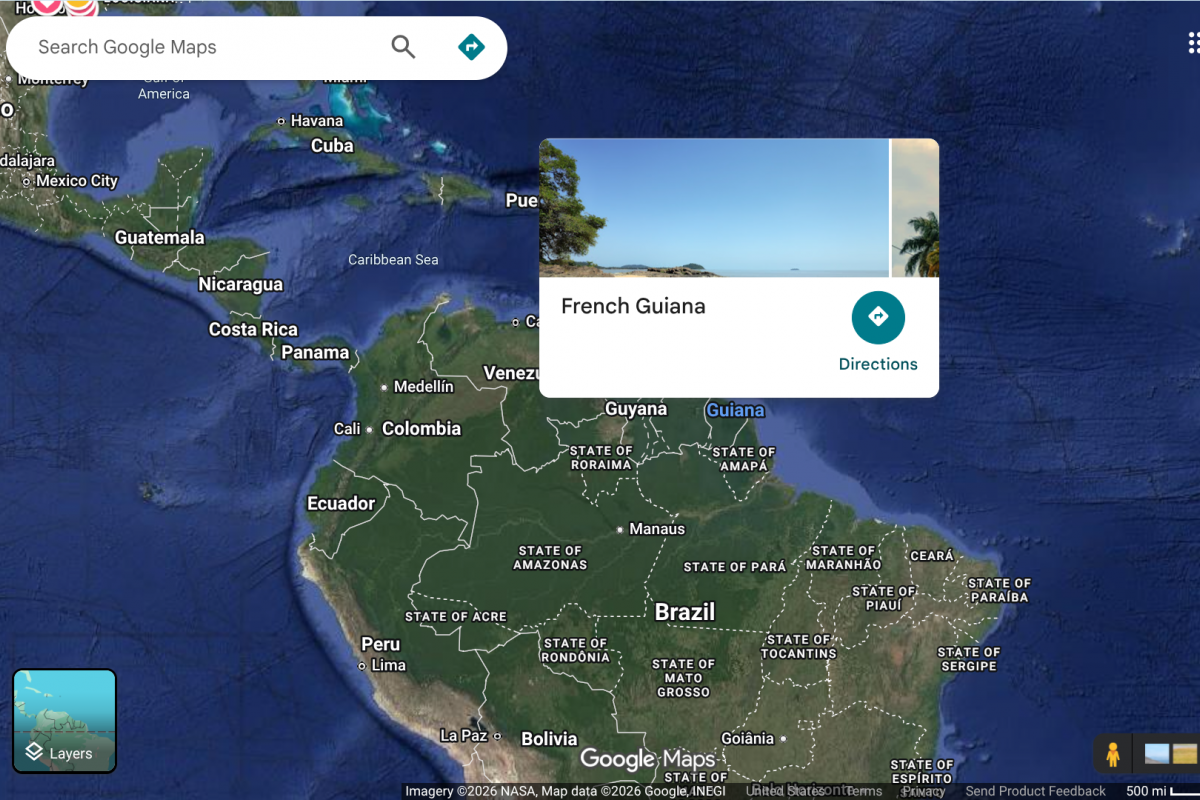
The Republic of Colombia Ministry of Health recently posted on Facebook that it has seen a rise in yellow fever cases over the past two years.

From 2024 to January 4, 2026, Colombian officials reported 142 confirmed cases. This includes 63 deaths.

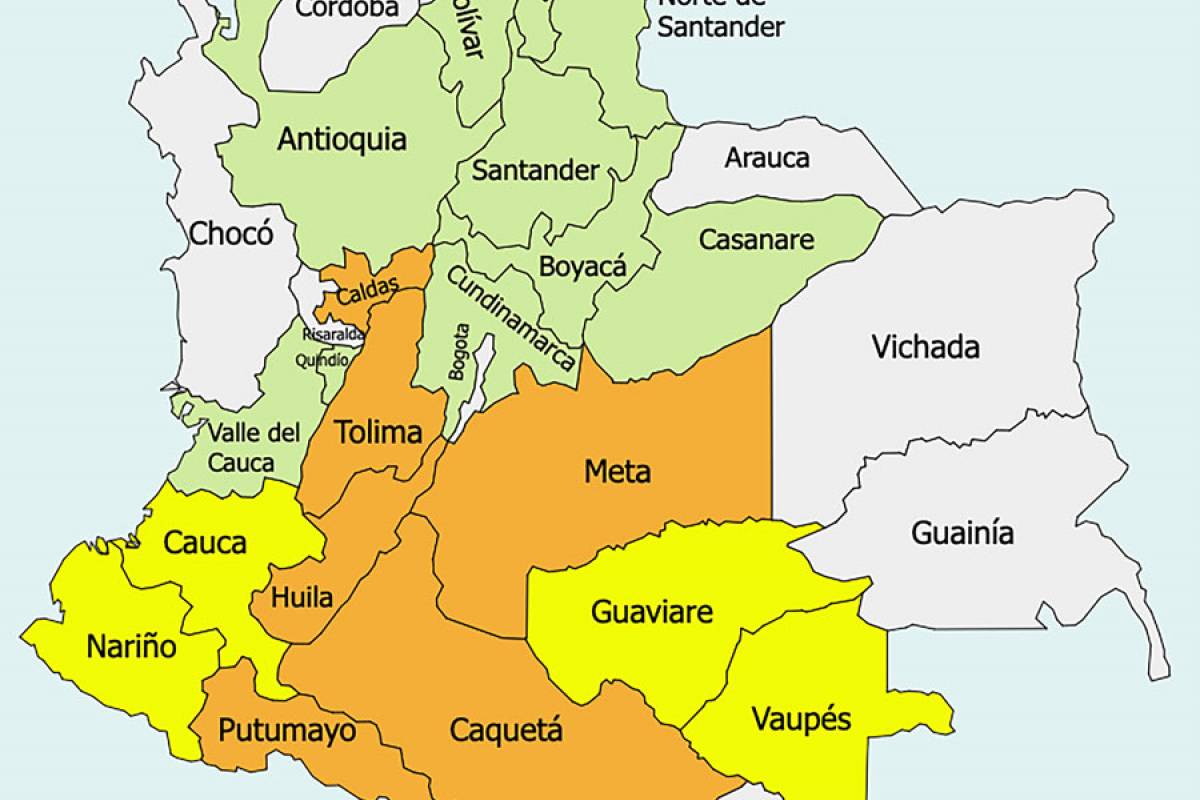
The mosquito-transmitted disease has been detected in ten departments, each with at least one death from yellow fever. These are Caldas, Caquetá, Cauca, Guaviare, Huila, Meta, Nariño, Putumayo, Tolima, and Vaupés.

While some of these yellow fever cases have occurred in forest areas, others have been reported near Bogotá, the capital city and a tourist destination.

Over the last few years, Tolima, located west of Bogota, has been the most affected area, often accounting for over 80% of yellow fever cases.

According to the World Health Organization and the U.S. Centers for Disease Control and Prevention, the yellow fever vaccine is among the most effective available. It is a live, attenuated vaccine that provides lifelong protection with a single dose for most people.

No booster doses are routinely needed. However, as of January 5, 2026, travel vaccine experts are available to provide insights on yellow fever immunization.

From a security perspective, the United Kingdom (UK) updated its travel advice on January 5, 2026, advising against all but essential travel to parts of Colombia, such as the Colombia-Venezuela border and northern Colombia.

The UK wrote that if you choose to travel to Colombia in 2026, research your destinations and get appropriate insurance. 

Jan 4, 2026 • 12:18 pm CST
US CDC 2026

In Hong Kong, several mosquito-borne diseases were reported in 2025, including chikungunya fever (CF).

As of January 3, 2026, the Centre for Health Protection (CHP) of the Department of Health announced a total of 82 confirmed CF cases for the previous year.

Among these, 11 were local cases, while the remainder were imported.

Due to some local cases of CF being linked to visits to the Tsing Yi Nature Trails or nearby areas in November of last year, the trails are currently closed until further notice.

The CHP is urging the public to avoid entering the Tsing Yi Nature Trails, located northwest of the city of Hong Kong, to reduce the risk of contracting CF and to prevent exposure to chemicals or interference with mosquito control operations. 

The CHP continues to advise anyone who has recently hiked along the Tsing Yi Nature Trails to seek medical attention promptly if they experience any relevant symptoms. This area of Hong Kong has about 190,000 residents.

For inquiries, the CHP says to please call the hotline at 2125 2373.

According to the U.S. Centers for Disease Control and Prevention (CDC), the Hong Kong Special Administrative Region is not the only area within China impacted by the spread of the chikungunya virus in 2026.

The CDC reports there is a chikungunya outbreak in Guangdong Province.

The CDC's Level 2 travel advisory recommends vaccination for travelers visiting an area with a chikungunya outbreak. When departing from the USA for abroad in 2026, travel vaccines will be available for purchase at various clinics.

Jan 2, 2026 • 2:13 pm CST
UK

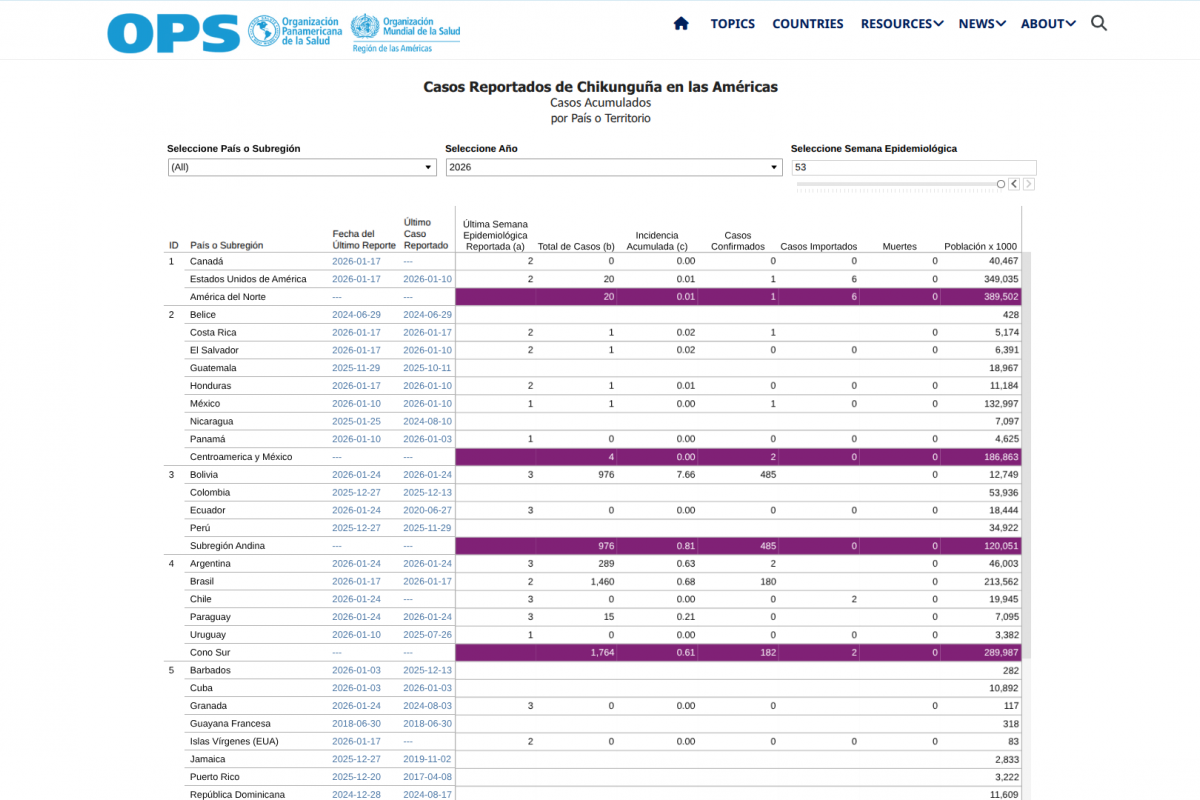
The Zika virus, once a major global health emergency, continues to circulate in the Americas, with the Pan American Health Organization (PAHO) confirming local transmission in 52 countries and territories since 2015.

While case numbers have fluctuated in recent years, the Federative Republic of Brazil remains the epicenter, historically reporting the highest number of confirmed cases in the Americas region.

Recent data highlight Brazil's ongoing battle with the mosquito-borne illness.

Brazil recorded 1,801 confirmed Zika cases, maintaining its lead in the Americas.

As of January 2, 2025, PAHO data indicate that Brazil has significantly reduced its number of confirmed Zika cases, with 2,067 cases reported in 2024 and 3,997 in 2023.

Many Zika outbreaks are concentrated in major Brazilian cities, including Rio de Janeiro, a metropolis of millions and a top destination for international travelers. As the city gears up for Carnaval 2026, scheduled from February 13 to 21, concerns about mosquito-borne diseases linger.

PAHO emphasizes that most Zika infections are mild or asymptomatic, but the virus poses serious risks to pregnant women, potentially causing congenital Zika syndrome in newborns. Travelers, especially those planning pregnancies, are advised to take precautions.

With no locally acquired Zika cases in the continental U.S. since 2019, the U.S. Centers for Disease Control and Prevention (CDC) Yellow Book states that international travelers with suspected Zika infection should be tested with real-time polymerase chain reaction or an NS1 antigen test.

This CDC advice is being followed in Hawai'i.

The Hawaiʻi Department of Health announced on May 27, 2025, that it is investigating two travel-related Zika cases.

And in U.S. territories, the CDC says Zika-spreading mosquitoes are found throughout Puerto Rico, where the Department of Health reported 16 cases in 2024, down from 43 in 2023.

From a disease prevention perspective, the CDC says no Zika vaccine candidate has been approved.

However, clinical trials are active in 2026.

Jan 2, 2026 • 7:29 am CST
Utah Public Health January 2, 2025

Since mid-November 2025, the Salt Lake County Health Department (SLCoHD) has confirmed measles infections in Utah.

Then, on December 8, 2025, SLCoHD officials and the school district notified everyone in the Bingham High School community of possible measles virus exposures. This followed a confirmed case linked to the Bingham Kopper Kids childcare facility, which is located inside the school in South Jordan.

And on January 1, 2025, Utah's Beaver, Garfield, Iron, Kane, and Washington counties reported their total measles cases reaching 114. These reports contributed to Utah's statewide total, which climbed to 156 confirmed cases at the end of 2025.

Utah's measles outbreak is similar to the current situation in central South Carolina, in that most infected people were unvaccinated.

As of the end of 2025, South Carolina reported 179 cases of measles, centered around Spartanburg County.

'We have seen measles spread quickly in unvaccinated households here in South Carolina. We also know that it can spread rapidly in unvaccinated communities based on outbreaks in other states,' wrote the health department.

As of January 2, 2026, these state health departments and the U.S. CDC recommend MMR vaccination for most people in the USA.


Jan 2, 2026 • 6:35 am CST
Pixabay 2026

Japan has experienced a dramatic resurgence of syphilis since 2010, reaching epidemic rates again in 2025.

The Japan National Institute of Infectious Diseases (NIID) has reported a significant increase in syphilis cases over the past decade, with the last four years averaging over 13,000 cases annually.

In 2025, the NIID confirmed that this unfortunate trend continued for the fourth consecutive year.

Among Japan's prefectures, Tokyo accounted for 25% of the national total of syphilis cases, followed by Osaka, Aichi, Fukuoka, and Kanagawa.

According to a December 2025 analysis, syphilis risk factors among predominantly heterosexual populations in urban Japan have significantly increased. These findings reveal that casual sexual partnerships and diverse sexual networks facilitated by dating applications and commercial sex services create unique transmission dynamics not adequately captured by previous research.

These researchers stated that promoting preventive measures among sex industry workers and patrons is crucial in Japan's cities.

Syphilis is a sexually transmitted infection (STI) that is generally transmitted by contact with infectious sores, through blood transfusions, or through mother-to-child transmission during pregnancy. This bacterial infection is caused by Treponema pallidum.

Syphilis can be treated with antibiotics such as penicillin. Furthermore, patients can become reinfected, so early antibiotic treatment is necessary.

After decades of clinical trial missteps, a December 18, 2025, study found syphilis vaccine development is beginning to gain momentum due to advances in understanding the outer membrane protein of Treponema pallidum, host–pathogen interactions, and the genomics of syphilis.

Preventing vertical transmission of Treponema pallidum subsp pallidum could be the most consequential target for a vaccine, given the global resurgence of congenital syphilis and adverse pregnancy outcomes.

As of late 2025, the U.S. Preventive Services Task Force and the American College of Obstetrics and Gynecology recommend that pregnant women be tested for syphilis. And in 2026, Alabama, Arizona, Colorado, Georgia, Maryland, Mississippi, Missouri, North Carolina, Tennessee, and Texas require syphilis testing during pregnancy.

Jan 2, 2026 • 4:29 am CST
Google Maos 2026

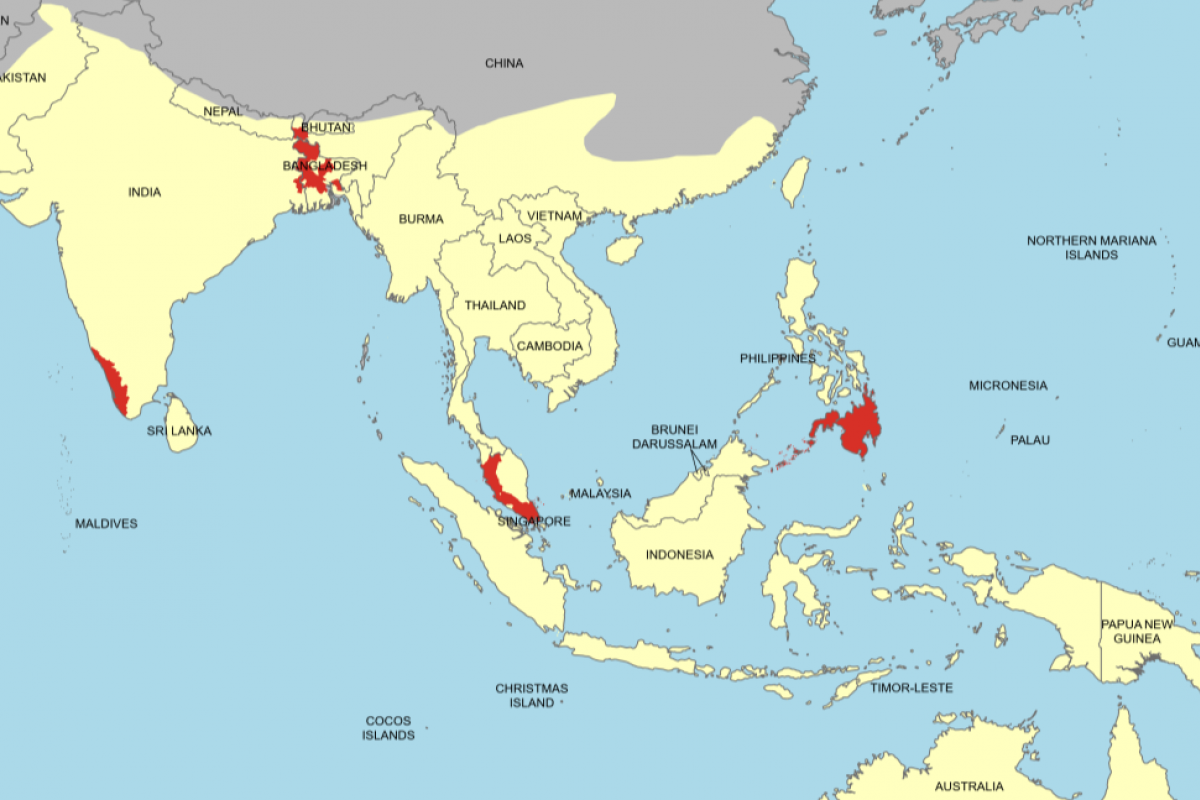
The Pan American Health Organization (PAHO) recently reported a concerning increase in cases of hantavirus pulmonary syndrome (HPS) in the Americas, with eight countries confirming a total of 229 confirmed cases and 59 fatalities, a regional case fatality rate of 25.7%.

During 2025, the affected countries include Argentina, Brazil, Bolivia, Chile, Panama, Paraguay, the United States, and Uruguay.

Compared to historical averages, Bolivia and Paraguay have seen sharp rises in incidence.

Paraguay's increase is linked to an outbreak involving occupational exposure.

Meanwhile, Argentina continues to report the highest number of cases in the region.

HPS was first recognized in 1993 and has since been identified throughout the United States.

As of late 2025, the U.S. CDC hasn't released comprehensive totals, but the Southwestern states remain a hotspot.

Reports show sporadic HPS cases, notably 7 in New Mexico (Santa Fe, Taos, McKinley, and Bernalillo counties) and a few in other states, including Arizona, Colorado, Nevada, Washington, and Wisconsin.

HPS is primarily a zoonotic respiratory disease transmitted through contact with infected rodents or their excreta. Furthermore, humans can contract the disease when they breathe in aerosolized virus. Rare person-to-person transmission has been documented in the Southern Cone, associated with the Andes virus strain, says the PAHO.

Rodent control in and around the home remains the primary strategy for preventing Hantavirus infection.

As of January 2, 2026, no vaccine is currently available.

Dec 31, 2025 • 1:01 pm CST
by kp Jayanath

With the global spreading of the Chikungunya virus expected to continue in 2026, Valneva SE and Serum Institute of India today announced that they have mutually agreed to discontinue their license agreement for Valneva's IXCHIQ® single-shot chikungunya vaccine.

As of December 31, 2025, Valneva's strategic intent in regaining full rights is to assume direct control over its supply chain and commercialization for endemic high-risk countries, thereby accelerating access for regions most affected by the disease.

According to the European Medicines Agency, IXCHIQ was shown to be effective at triggering the production of antibodies against the chikungunya virus in two primary studies. This is expected to reduce the risk of getting this mosquito-transmitted disease caused by the Chikungunya virus.

Supporting access to the vaccine in low-and middle-income countries falls within the framework of the funding agreement Valneva signed with the Coalition for Epidemic Preparedness Innovations in July 2024, with co-funding from the European Union.

Currently, the U.S. CDC has issued various Travel Health Notices for Chikungunya outbreaks, including a Level 2 alert for China in mid-December 2025.

The CDC advises international travelers to speak with a travel vaccine consultant regarding immunization options before visiting outbreak areas in 2026.


Dec 31, 2025 • 12:01 pm CST
Walgreens December 2025

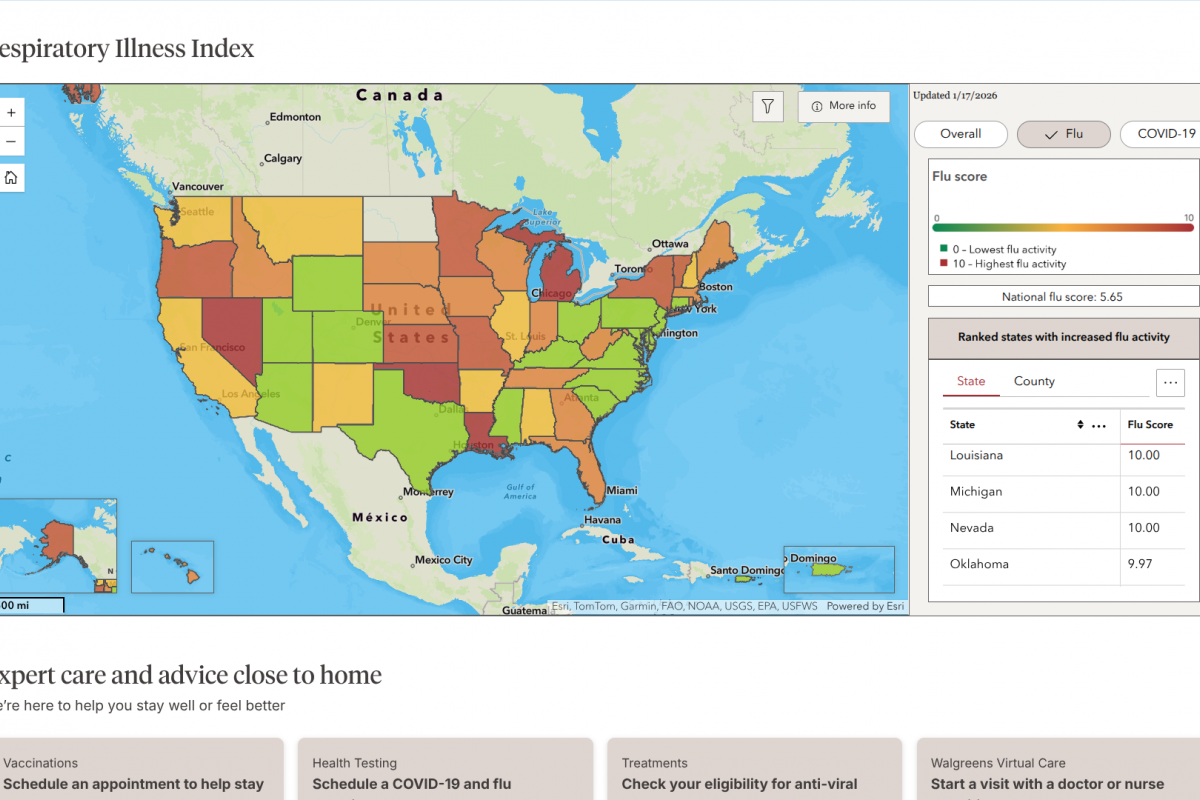
With a winter storm bringing chilly weather to the central states, keeping more people inside, the Walgreens Respiratory Index has also identified an unhealthy trend as 2025 draws to a close.

As of December 31, 2025, the leading states reporting COVID-19-related medications and vaccinations utilization at Walgreens pharmacies include Indiana, Michigan, Nebraska, and Ohio.

Recently, the U.S. CDC reported that COVID-19 vaccination is an effective option for protecting children in these Heartland states and throughout the USA.

In early December, the CDC confirmed that the 2024–2025 COVID-19 vaccination offered additional protection against COVID-19 for children in a population where some individuals had preexisting immunity from previous vaccinations, prior infections, or both, compared to those who were not vaccinated.

The CDC's MMWR also noted on December 11, 2025, that the impact of transitioning from universal vaccination to shared clinical decision-making (individual-based decision-making) on COVID-19 vaccination coverage or effectiveness in children is not well understood. This highlights the need for ongoing monitoring of the effectiveness of COVID-19 vaccines.