Coronavirus Breaking News

The coronavirus disease COVID-19 is currently reaching pandemic levels in various countries.

Dec 31, 2025 • 7:09 am CST
US CDC December 2025

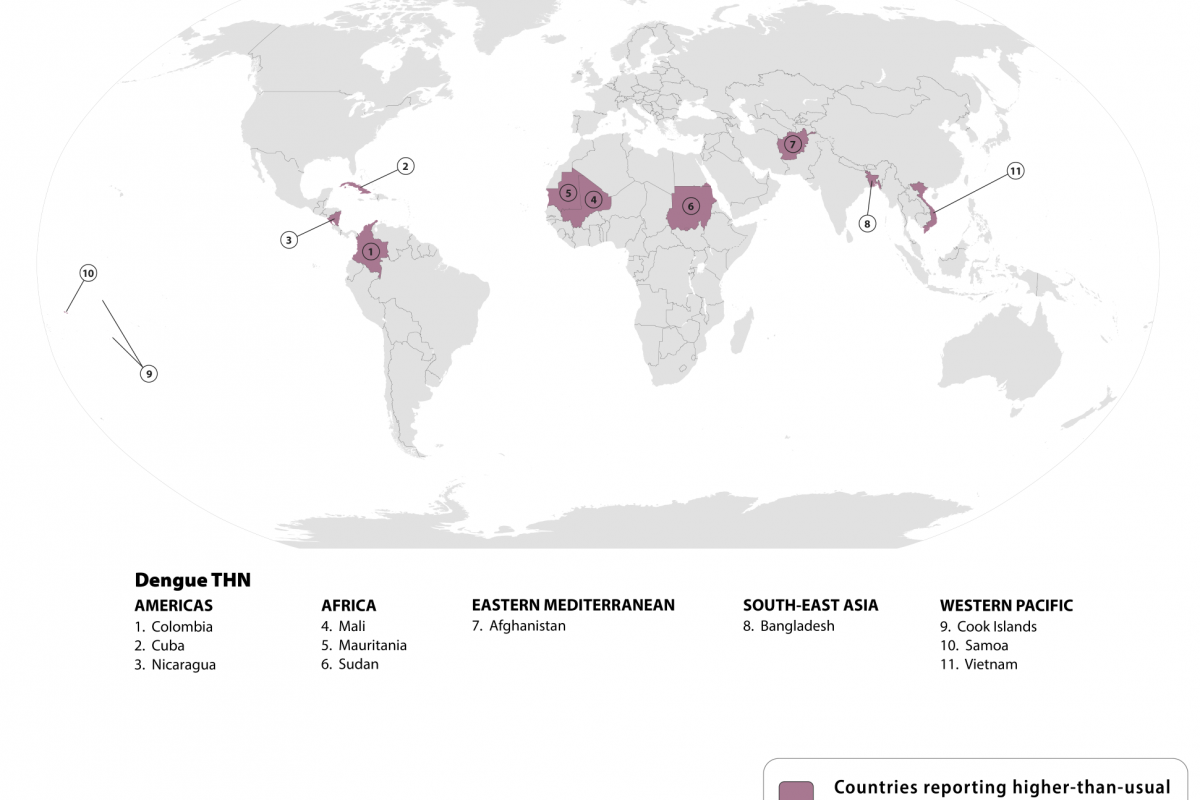
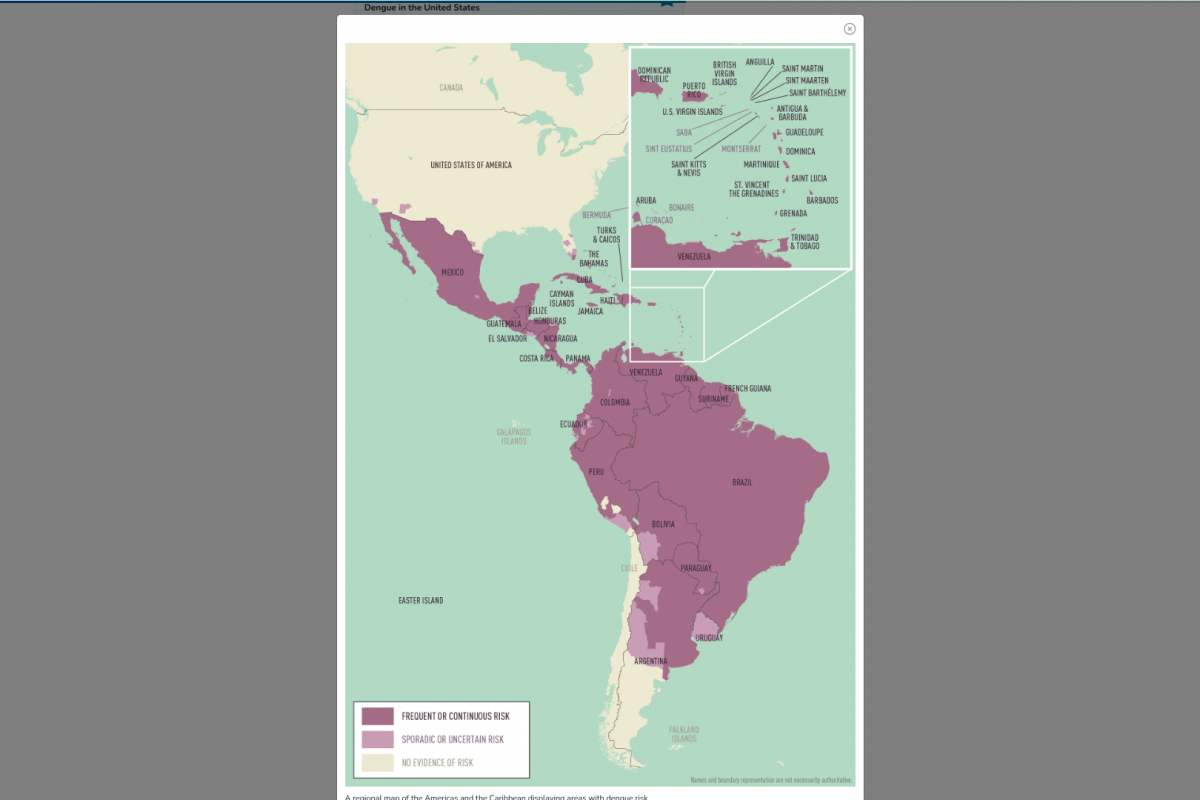
As an Arctic blast brings cold weather to North America, many travelers are planning vacations to warmer climates in 2026. While dreaming of sandy beaches, travelers need to research areas where mosquito-related illnesses might be common.

After a record-setting year in 2024, when global Dengue fever cases reached nearly 14 million and resulted in over 9,000 deaths across 106 countries and territories, new data shows that infections have significantly declined this year.

As of early December 2025, the World Health Organization (WHO) has recorded just over 5 million dengue cases and about 3,000 dengue-related fatalities, marking a notable decline in outbreaks from the previous year.

This WHO data represents roughly a 65% drop from 2024's total.

WHO experts attribute the reduction partly to improved vector control measures, shifts in herd immunity, and varying seasonal patterns.

In the United States, both travel-related and locally acquired dengue cases were also reduced in 2025.

However, according to the U.S. CDC data as of December 31, 2025, seven jurisdictions reported 3,325 local Dengue cases this year, including warm weather destinations.

The unfortunate leader is Puerto Rico, which has reported 3,154 Dengue cases, followed by Florida (58) and California (6).

From a disease-prevention perspective, Puerto Rico continued to administer the first-generation Dengue vaccine, Dengvaxia, to 82 people this year. 

Currently, neither Florida nor California offers Dengue vaccinations in high-risk areas, such as Florida's southeast coast.

With the arrival of a third Dengue vaccine (Butantan-DV) in 2026, even more people will have the chance to stay safe from this serious, preventable disease!


Dec 31, 2025 • 5:23 am CST
GPEI 2025

As 2025 draws to a close, I want to begin by first thanking the millions of health workers, vaccinators, surveillance officers, laboratory scientists, social mobilizers, and community volunteers who carried polio eradication forward during what was a difficult year, wrote Dr. Jamal Ahmed, Director, Polio Eradication, WHO, and Chair of the Strategy Committee of the Global Polio Eradication Initiative. 

In a Dear Colleagues letter, Dr. Ahmed recently offered various insights on December 18, 2025, such as these clips: 

These challenges demanded difficult choices. They reinforced the need for sharper prioritization, greater efficiency, and uncompromising focus on what matters most to interrupt transmission.

In direct response to the realities of 2025, the Global Polio Eradication Initiative (GPEI) developed a focused 2026 Action Plan as an operational companion to the Polio Eradication Strategy 2022–2029. This Action Plan is grounded in realism and urgency. It protects non-negotiable functions while adapting to financial constraints, and it prioritizes impact and execution.

The plan focuses on concentrating resources on the highest-risk geographies, including the remaining subnational areas with persistent wild poliovirus and circulating variant poliovirus transmission.

It includes intensifying and refining vaccination strategies, expanding use of novel oral polio vaccine type 2 (nOPV2), and targeted use of inactivated polio vaccine (IPV) to close. 

More than two billion doses of nOPV2 have now been delivered globally.

This innovation has fundamentally strengthened our ability to control and prevent variant poliovirus outbreaks and stands as a testament to what science, partnership, and disciplined execution can achieve together. 

Introduction of the IPV-containing hexavalent vaccine and scale-up of fractional-dose IPV are further examples of scientific innovations that help advance the effort.

It is important for us to remember, even before eradication is achieved, that the impact of this effort has been profound. Tens of millions of people are walking today, and millions are alive who might not have survived.

Entire communities that were once beyond the reach of basic health services have been reached with vaccines, protection, and care. This legacy matters, and it must not be forgotten as we focus on finishing the job, added Dr. Ahmed.

The unedited version is linked at Vax-Before-Travel.com.

Dec 30, 2025 • 4:18 pm CST
US CDC Deccember 30, 2025

South Carolina's Department of Public Health (DPH) today announced it is actively responding to a measles outbreak centered around Spartanburg County.

Seven of the new cases were known household exposures; five resulted from a previously reported school exposure; two resulted from an exposure at church; and one resulted from an exposure at either school or church. The sources of four cases are unknown, and one is still being investigated, stated DPH.

As of December 30, 2025, DPH is reporting 179 cases of measles since early July, with 176 in the upstate area.

DPH wrote that some cases are travel-related exposures or close contacts of known cases. Other cases have no identified source, suggesting that measles is circulating in the community and could spread further.

We have seen measles spread quickly in unvaccinated households here in South Carolina. We also know that it can spread rapidly in unvaccinated communities based on outbreaks in other states, added the DPH.

Nationally, the U.S. CDC reported 2,012 confirmed measles cases across 44 jurisdictions as of December 23, 2025. Most of these cases were confirmed in Texas earlier this year.

Internationally, measles is an ongoing risk around the world, and more international travelers are getting infected. Both Canada and Mexico continue to report an excessive number of measles cases in 2025.

The CDC recommends that most international travelers ensure they have received an MMR vaccination before departing abroad.

Dec 30, 2025 • 10:48 am CST
US CDC December 30, 2025

The Florida Health Department (FHD) Arbovirus Surveillance Report for Week #52 highlights the impact of travel on our local health landscape, as two mosquito-transmitted diseases were introduced to Miami-Dade County this year by visitors from Cuba.

José Martí International Airport is located in Havana, Cuba, about 200 miles across the Straits of Florida, making it a very close neighbor to Miami International Airport.

As of December 30, 2025, there were 256 Chikungunya and 305 Dengue fever cases reported in the greater Miami area this year.

Throughout 2025, Florida recorded 268 travel-related Chikungunya cases and 416 Dengue cases among international travelers. Last week, eighteen cases of chikungunya fever were reported in persons who had international travel.

Additionally, Florida's East Coast saw 62 locally acquired Dengue cases, including 25 in Miami-Dade.

To better inform travelers of these health risks when visiting Cuba, the U.S. Centers for Disease Control and Prevention (CDC) includes Cuba in various Travel Health Notices. 

The CDC advises international travelers to speak with a travel vaccine expert before visiting high-risk areas in 2025.

Dec 30, 2025 • 5:50 am CST
ECDC December 2025

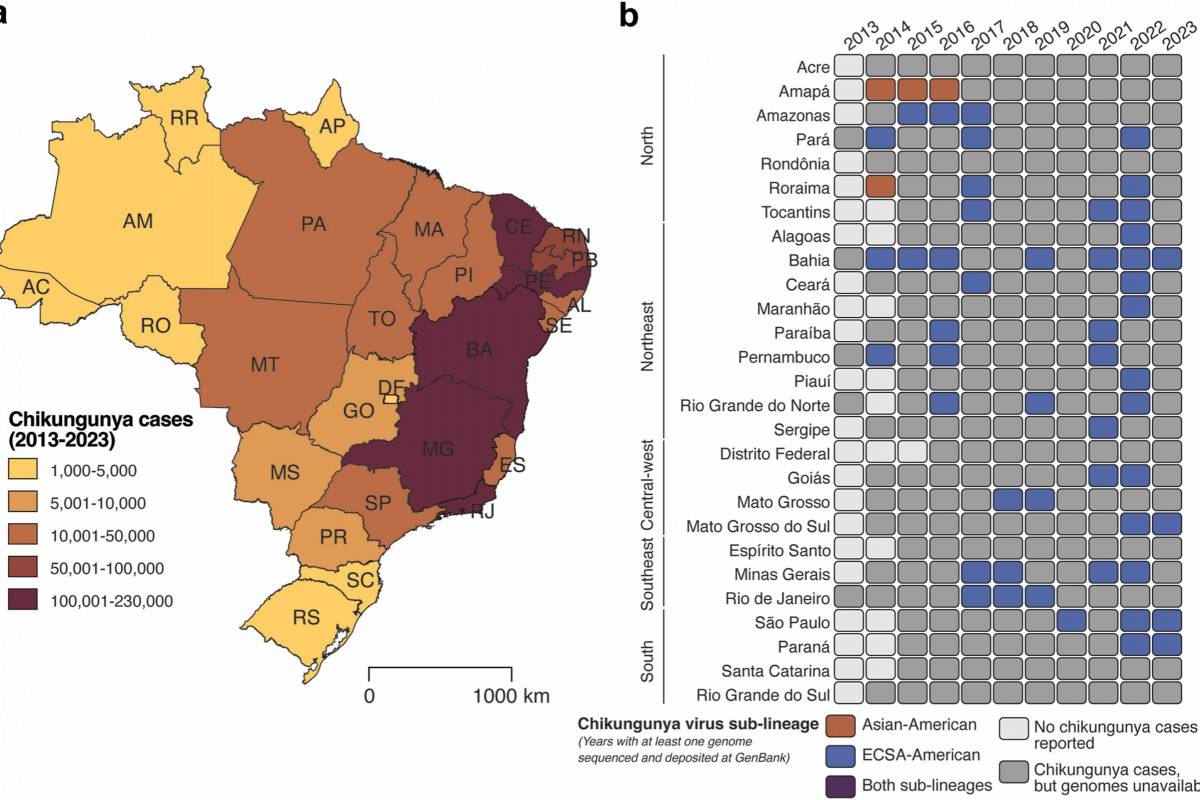
The World Health Organization (WHO) today announced updated figures on the chikungunya virus (CHIKV) outbreak, revealing a significant resurgence in 2025 with 502,264 reported cases, including 208,335 confirmed cases and 186 associated deaths.

As of December 29, 2025, this Rapid Risk Assessment says WHO regions have seen declines in cases compared to 2024, others are experiencing sharp increases, and the mosquito-transmitted virus is emerging in previously unaffected populations.

This uneven pattern makes it challenging to assess the overall global trend, but points to localized outbreaks and resurgences in specific areas.

The Region of the Americas recorded the highest number of confirmed cases, closely followed by the European Region, where the majority stem from French Overseas Departments in the Indian Ocean.

The WHO warns that the risk of further geographic spread remains high as infected travelers can introduce the virus to new areas, where local transmission can establish if competent Aedes mosquitoes are present.

In the United States, the leading states reporting travel-related chikungunya cases include southeast Florida (250) and Texas (6).

WHO advises travelers to affected areas to use insect repellent, wear protective clothing, and consider preventive measures such as vaccination.

Previously, the U.S. CDC has issued Level 2 - Practice Enhanced Precautions, Travel Health Notices focused on chikungunya outbreaks in China, Cuba, and France's overseas departments.

As of December 30, 2025, two chikungunya vaccines are available globally, including in the USA at travel clinics.

Dec 29, 2025 • 1:01 pm CST
by S. Nowak

In a step toward supporting patients living with recurrent genital herpes, a chronic and stigmatized sexually transmitted infection, Gilead Sciences, Inc. recently announced that it had exercised its option to exclusively license two investigational therapeutic candidates from its partner, Assembly Biosciences, Inc.

This agreement marks the first set of antiviral assets that Gilead will advance under its 2023 research and development collaboration with Assembly Biosciences.

This clinical program targets the sexually transmitted herpes simplex virus (HSV) helicase-primase enzyme. Over four million people in the U.S. and European countries experience recurrent genital herpes.

According to Gilead, no new therapies have been approved for HSV in the U.S. or Europe for more than 25 years.

The candidates, ABI-1179 and ABI-5366, are novel long-acting oral inhibitors designed to potentially offer once-weekly or even monthly dosing for chronic suppressive therapy, with the potential to improve chronic suppressive therapy for recurrent genital herpes.

Positive interim Phase 1b data for ABI-5366 and ABI-1179 demonstrated potent antiviral activity and improvements in clinical outcomes, including a significant reduction in virus-positive lesions. Both compounds also exhibit pharmacokinetic and safety profiles supportive of once-weekly oral dosing.

"At Gilead, we develop novel antiviral therapeutics that aim to deliver meaningful solutions that improve the lives of people affected by serious viral infections. Our research partnership with Assembly Bio has been highly fruitful, and we are excited to continue the clinical development of our herpes simplex virus candidates, "said Jared Baeten, MD, PhD, Senior Vice President, Clinical Development, Virology Therapeutic Area Head, Gilead Sciences, said in a press release on December 22, 2025.

Gilead Sciences, Inc. is a biopharmaceutical company that has pursued and achieved breakthroughs in medicine for more than three decades.

As of December 29, 2025, herpes vaccine candidate information is published by Vax-Before-Travel.com.

Dec 28, 2025 • 5:18 am CST
by Mario Renteria

Global vaccination programs have significantly reduced newborn deaths in the last 30 years. However, tetanus remains a public health problem in many countries.

In the U.S., approximately 10% of people diagnosed with tetanus die. 

According to recent data from the U.S. Centers for Disease Control and Prevention (CDC), 37 tetanus cases have been reported nationwide, the most in over a decade.

This CDC data is an increase from 33 in 2024 and 18 in 2023.

The leading states reporting cases include Florida, where the 8 cases occurred across five counties: Charlotte (2), Martin (1), Palm Beach (2), Seminole (2), and Walton (1).

"A booster of some form of tetanus shot should be updated every 10 years or sooner, especially if there is injury by stab, animal bite, or dirty wounds," Duellyn Pandis, DNP, APRN, FNP-C, CTM®, AFTM RCPS(Glasg), FAANP, informed Vax-Before-Travel on December 28, 2025.

Pandis, the CEO of PassportHealth-Tampa, added that local news recently reported that Florida may eliminate tetanus vaccination requirements for children.

Despite this global progress, recent data from the U.S. Centers for Disease Control and Prevention (CDC) underscore the ongoing importance of tetanus vaccination in the United States. 

The CDC says most reported tetanus cases occur in individuals who are unvaccinated, under-vaccinated, or have waning immunity, particularly among older adults and those with chronic conditions.

While tetanus is rare in the United States due to historically high vaccination coverage, these recent increases serve as a reminder that no one is fully protected without staying current on boosters, according to the CDC website. Vaccination not only prevents individual cases but also safeguards vulnerable populations.

In the U.S., three types of combination vaccines include protection against tetanus: DTaP, Tdap, and Td. These vaccines are offered at clinics and pharmacies.

Dec 28, 2025 • 4:26 am CST
WHO 2024

The Australian Technical Advisory Group on Immunisation (ATAGI) has been alerted to the circulation of counterfeit batches of the rabies vaccine Abhayrab® in India.

The counterfeit versions differ from the genuine product in formulation, packaging, labelling, and manufacturing. As a result, individuals who received counterfeit doses may not be fully protected against rabies.

Indian Immunologicals Limited manufactures this vaccine and is not registered or available for use in Australia.

As of December 28, 2026, the ATGI says Australia remains rabies-free, but travellers to endemic areas are at risk if exposed. 

However, Australian travellers or residents who received rabies vaccination in India may have received it as part of pre- or post-exposure prophylaxis.

ATAGI recommends that anyone who received Abhayrab® or any unknown rabies vaccine in India from November 2023 onwards consult their healthcare provider. Replacement doses using an Australian-registered rabies vaccine (such as Rabipur® or Verorab®) may be required to ensure adequate protection.

Healthcare providers are encouraged to review vaccination records for patients who have recently traveled to India and to offer replacement doses where appropriate.

Rabies is a rare but almost invariably fatal viral disease that affects the central nervous system. It is transmitted primarily through the bite or scratch of an infected animal and is prevalent in many countries, including India.

For more information, visit the Department of Health website or consult the Australian Immunisation Handbook.

In the United States, each year, 1.4 million Americans receive healthcare for a possible rabies exposure, 100,000 receive post-exposure prophylaxis, and fewer than 10 die from rabies.

In most countries, infected dogs are the source of rabies. However, the U.S. CDC says bats have been the leading carriers of the rabies virus, along with Raccoons, skunks, and foxes.

When departing abroad from the U.S, FDA-approved rabies vaccines are commercailly offered at travel clinics. They are recommended for travelers visiting high-risk areas in 2026, such as Africa, Haiti, and Southeast Asia.

Dec 28, 2025 • 3:49 am CST
Walgreens December 28, 2025

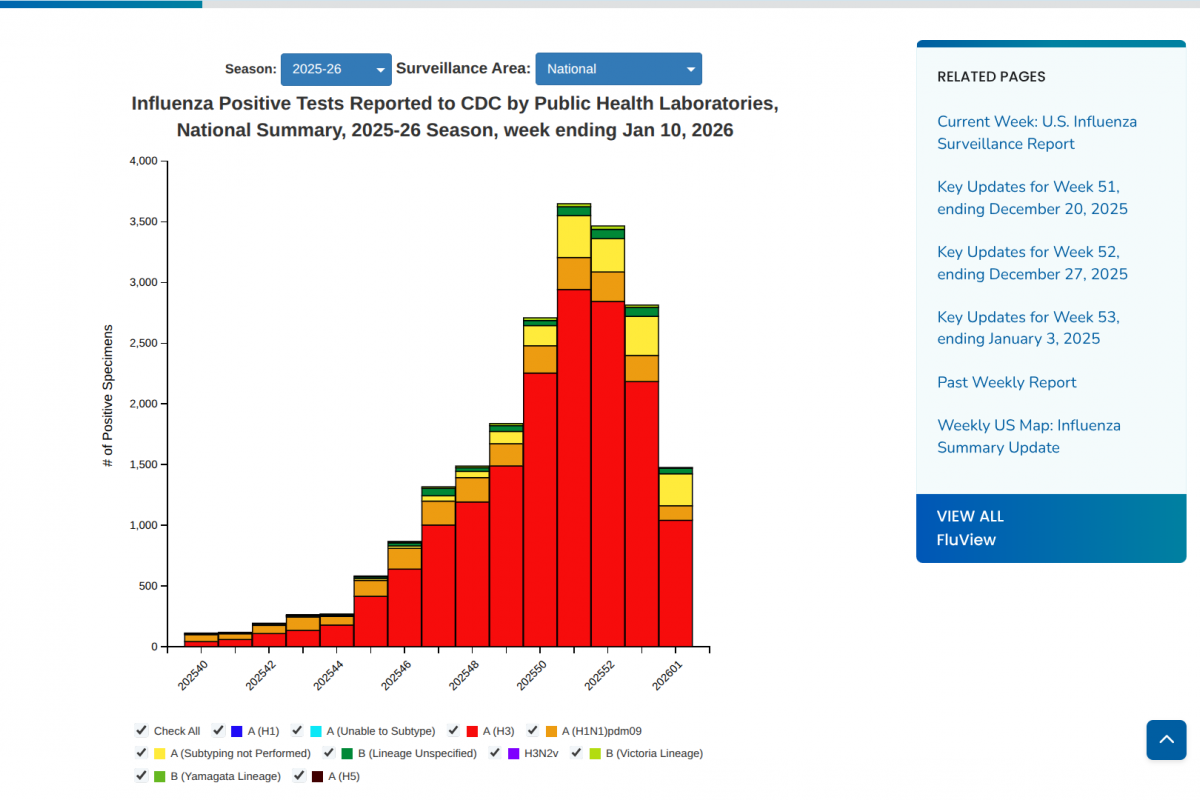
The Walgreens Respiratory Index recently reported that the United States has an overall Acute Respiratory Illness (ARI) score of 6.01 out of a possible 10.

This national score suggests that many pharmacies are seeing an increase in patients seeking medications and flu shots as seasonal influenza activity continues to increase across the U.S.

As of December 28, 2025, the states with the highest ARI scores include Colorado, Connecticut, Hawaii, and Idaho.

Separately, the U.S. Centers for Disease Control and Prevention (CDC) announced last week (#50) that prescription antiviral drugs for the flu can effectively treat flu illness. These medications should be started as soon as possible and are particularly important for patients at higher risk for complications related to the flu.

The CDC also recommends that everyone aged 6 months and older who has not yet received a vaccine this season get an annual influenza vaccine.

About 130 million doses of various influenza vaccines have been distributed to pharmacies and clinics in preparation for the peak of the flu season in early 2026.

Dec 27, 2025 • 2:51 pm CST
WHO 2025

The World Health Organization (WHO) is closely monitoring the situation of Nipah virus (NiV) infections in South Asia, where the virus continues to pose a public health challenge despite strong containment efforts by national authorities.

First identified after an outbreak in Malaysia, an outbreak occurred in Bangladesh in 2001, and human NiV cases have been confirmed nearly every year in the country.

To date, the WHO Disease Outbreak News (577) reports that Bangladesh has documented 347 cases through its established surveillance system, with a case fatality rate of 71.7%.

In 2025, Neighboring India reported four confirmed NiV cases in Kerala state, including two deaths, across Malappuram and Palakkad districts—the first recorded cases in Palakkad.

Kerala's health authorities, through the Information and Public Relations Department, promptly issued alerts, traced contacts, and intensified containment measures, preventing wider spread.

The WHO currently assesses the public health risk from NiV as moderate at national and regional levels, given the high fatality rate and challenges in early detection.

However, the risk of international spread remains low, with no confirmed cases outside the affected areas in Asia.

Furthermore, the WHO advises travelers and residents in affected regions to avoid raw date palm products during the season and to seek immediate medical care for symptoms such as fever, headache, or respiratory issues.

Unfortunately, as of December 27, 2025, the WHO reports that no specific drugs or vaccines exist.

In a significant advancement against the deadly virus, the University of Oxford announced on December 15, 2025, that it has launched the world's first Phase II clinical trial of its ChAdOx1 NipahB vaccine candidate in Bangladesh.

In recognition of the urgent need for a Nipah virus vaccine and the compelling early data, the European Medicines Agency granted the ChAdOx1 NipahB vaccine PRIME designation in June 2025. This designation aims to expedite the development and regulatory review processes for medicines that address unmet medical needs.

The ChAdOx NipahB vaccine was manufactured for this clinical trial by the Serum Institute of India Pvt. Ltd., the world's largest vaccine manufacturer, in collaboration with the Coalition for Epidemic Preparedness Innovations.

Vax-Before-Travel lists additional Nipah virus vaccine candidates.

Dec 27, 2025 • 5:28 am CST
Nigeria CDC December 2025

 The Federal Republic of Nigeria continues confronting a multi-year outbreak of Lassa fever that is causing substantial fatalities. According to the Nigeria Centre for Disease Control and Prevention (NCDC) Epidemiological Week 50, the Case Fatality Rate (CFR) rose to 18.2%

The CFR is higher than the 16.5% recorded during 2024.

As of December 14, 2025, a total of 1,097 confirmed cases with 201 deaths have been reported during 2025. Confirmed cases have been reported in 21 States, with most cases reported from Ondo, Bauchi, Edo, and Taraba.

The virus was later identified in the town of Lassa, Nigeria, in 1969, and has become endemic in parts of West Africa, particularly Guinea, Liberia, Nigeria, and Sierra Leone, where the animal reservoir, the Mastomys rat, is common. Infected rats shed the Lassa virus in their urine and faeces.

Without an approved Lassa fever vaccine candidate available in 2025, the U.S. CDC recommends various travel vaccinations before visiting the West African country of Nigeria.

Dec 26, 2025 • 4:28 pm CST
US State Dept. December 2025

The Government of Canada recently updated its Travel Health Notice with various information Canadians should consider when planning a visit to the United States.

On December 24, 2025, Canada advised travelers to take normal security precautions in the USA. And within large urban areas, violent crime more commonly occurs in specific neighbourhoods.

From a health perspective, Canada recommends talking to a healthcare provider or visiting a travel health clinic, preferably 6 weeks before your trip, to get personalized health advice. Even if your travel date is coming up soon, it's still worthwhile to make an appointment.

Previously, Canada issued measles travel advice on November 13, 2025.

And regarding routine vaccinations, Canada says make sure you are up-to-date before you travel, no matter where you're going in the USA.

These may include vaccines for measles, mumps, and rubella, diphtheria, tetanus, pertussis, polio, varicella, meningococcal, and others.

Conversely, the U.S. Department of State maintains a Level 1, Exercise normal precautions when visiting Canada in 2025. Travelers can review the latest Travel Advisory about Canada at this link.

However, before traveling north this winter, the U.S. CDC has highlighted Canada's extensive measles outbreaks in 2025, and recommends vaccinations before visiting outbreak areas.

Dec 26, 2025 • 3:56 pm CST
US CDC December 2025

Florida's detections of international travel-associated Chikungunya Fever cases increased last week, with 44 new cases.

According to the Florida Department of Health's Arbovirus Surveillance Week #51 report, 250 travel-associated Chikungunya cases have been reported in 2025.

The leading Florida counties reporting these cases are Broward (23) and Miami-Dade (159).

The vast majority of Chikungunya cases had visited Cuba (238).

The positive news from Florida Health is that, as of December 26, 2025, no locally acquired, mosquito-transmitted Chikungunya cases have been reported.

To alert travelers of this serious health risk, the U.S. CDC has issued a Level 2 - Practice Enhanced Precautions, Travel Health Notice regarding Cuba's multi-month Chikungunya outbreak in 2025.

The CDC says that if travelers plan to visit an area with a Chikungunya outbreak in 2025 or 2026, they should speak with a travel vaccine advisor about immunization options since Chikungunya is a vaccine-preventable disease.


Dec 26, 2025 • 10:35 am CST
Google Maps December 2025

The first detection of Japanese encephalitis virus (JEV) for the 2025-2026 summer season has been confirmed in a mosquito near Horsham Rural City Council, Victoria. 

While rare, the Australian Centre for Disease Control (ACDC) says JEV spreads through bites from infected mosquitoes and can cause severe brain inflammation (encephalitis). It is fatal in about 1 in 250 patients.

Victoria's Chief Health Officer, Dr Caroline McElnay, said in a press release, "Mosquitoes can bite anyone, but people living, working or spending time outdoors in northern Victoria – especially near rivers – may be at higher risk."

"Simple actions like wearing repellent, covering up, and limiting outdoor activities at dawn and dusk can help reduce your risk."

JEV is the leading cause of viral encephalitis in 24 countries in the Pacific/Oceania Regions, exposing more than 3 billion people to infection risks.

As of December 24, 2025, nine JEV cases and five deaths were reported in Australia during the 2024–25 summer, with many more cases likely going unreported because, in most instances, people don't have any symptoms.

In 2022, JEV was detected in south-eastern Australia for the first time, with 45 human cases and seven deaths reported.

The ACDC has written that an effective preventive vaccine for JEV is available for people at higher risk of contracting the virus in Australia. If you are not eligible for a free JEV vaccine but are at higher risk, you can talk to your healthcare professional about buying one privately.

When departing from the United States, JEV vaccines are commercially offered at travel vaccine clinics.

Furthermore, the risk of JE introduction into the U.S. may be highest in California due to the frequency of international arrivals from Asia and Australia and the abundance of mosquitoes.

Dec 26, 2025 • 8:43 am CST
by Tiago Gomes

Chicago Health Officials recently confirmed that a dog living in a Chicago household tested positive for rabies, a fatal but vaccine-preventable viral disease.

This marks the first rabid dog identified in Cook County since before 1964 and the first in the state of Illinois since 1994. The last human case of rabies in Illinois was reported in 2021.

On December 19, 2025, the Chicago Department of Public Health, Cook County Department of Animal and Rabies Control, and the Illinois Department of Public Health stated they are actively investigating the case and coordinating all necessary follow-up actions.

The risk to the general public and to pets remains low, wrote CDPH.

However, as a preventive measure, CDPH recommends rabies post-exposure prophylaxis (PEP) when appropriate for those in direct contact with individuals who may have been exposed to the dog.

The health department says rabies is a disease that affects the nervous system and is typically transmitted through the saliva of infected animals, most commonly via bat bites in the United States. Normally, about 3-4% of tested bats are positive for rabies each year in Illinois.

Health officials emphasize the importance of vaccinating pets against rabies and avoiding contact with unfamiliar or stray animals. Residents are reminded to ensure all dogs, cats, and ferrets are up-to-date on rabies vaccinations as required by law.

Rabies vaccines for PEP are offered at pharmacies and clinics in the USA.

For more information on rabies prevention, visit the CDPH website at www.chicago.gov/cdph or contact CCARC at (708) 974-6140.