Parasite that Causes Chagas Disease Found Along the Texas-Mexico Border
Researchers at The University of Texas at El Paso (UTEP) have discovered unusually high levels of parasitic infection in the insects that transmit Chagas disease along the U.S.-Mexico border.
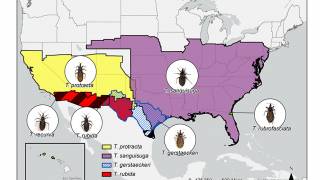
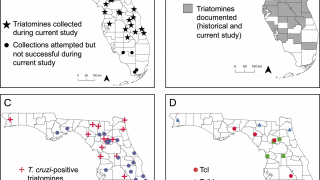
The kissing bugs were collected near homes and natural areas, raising concerns about the potential for local transmission of the disease in the Southwestern United States.
Led by Dr. Rosa Maldonado, a professor of biological sciences, the research team found that the infection prevalence in kissing bugs has significantly increased, from 63.3% in a study conducted in 2021 to 88.5% in the current study.
This alarming trend indicates that T. cruzi infections, which cause Chagas disease, are on the rise. It remains alongside dengue fever as one of the neglected diseases with the highest burden in the Americas.
"The infection prevalence in kissing bugs has risen significantly, indicating a marked upward trend for T. cruzi infections," Dr. Maldonado mentioned in a press release on January 6, 2026.
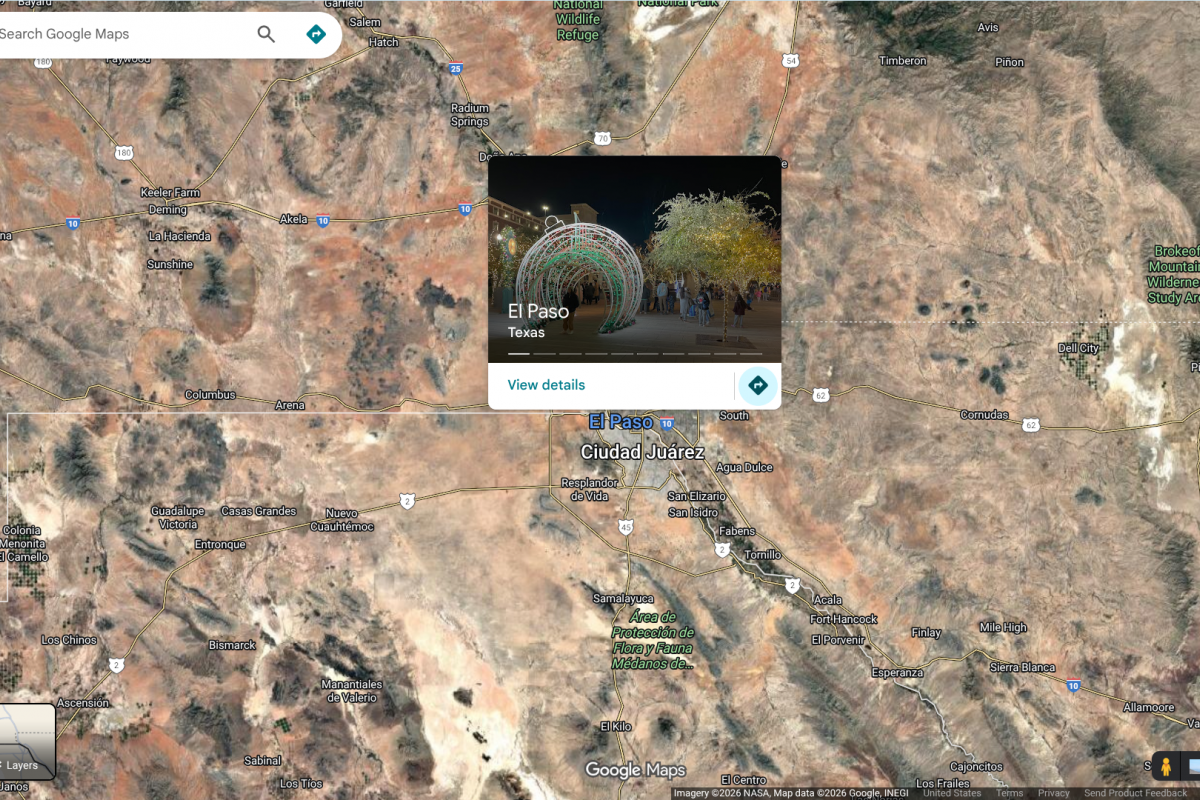
For this study, researchers collected kissing bugs from various locations, including El Paso County, Texas, and southern New Mexico, as well as from Franklin Mountains State Park, Central El Paso, and Canutillo.
The findings from this study suggest that Chagas disease is becoming an increasing public health issue in the Southwest. In this region, the disease was previously confined primarily to Latin America.
However, in 2025, Texas reported 22 human cases of Chagas disease, both imported and locally acquired.
Chagas disease is caused by the parasite Trypanosoma cruzi (T. cruzi) and is primarily spread by blood-feeding insects known as kissing bugs. This debilitating illness affects approximately 6 million people worldwide and can persist for decades in its chronic phase, often without symptoms.
However, it can lead to severe heart and gastrointestinal complications over time.
Previously, on March 20, 2025, researchers at UTEP successfully tested a faster, more sensitive, and more reliable method for diagnosing Chagas disease.
Furthermore, according to the World Health Organization, no approved vaccine exists to prevent Chagas disease. However, vaccine development is ongoing in 2026.
The current study, published in the journal Epidemiology & Infection, was conducted in collaboration with Dr. Priscila S. G. Farani, an assistant professor in UTEP's School of Pharmacy.
Our Trust Standards: Medical Advisory Committee