Another Invasive Meningococcal Disease Outbreak in Chicago
Health officials in Chicago are investigating a concerning cluster of invasive meningococcal disease (IMD) cases since January 15, 2026. This investigation is essential as IMD, caused by Neisseria meningitidis, has a case-fatality rate of 10–15%.
The Chicago Department of Public Health (CDPH) recently reported that four patients developed septicemia, with one also showing symptoms of meningitis. Three individuals required intensive care due to septic shock.
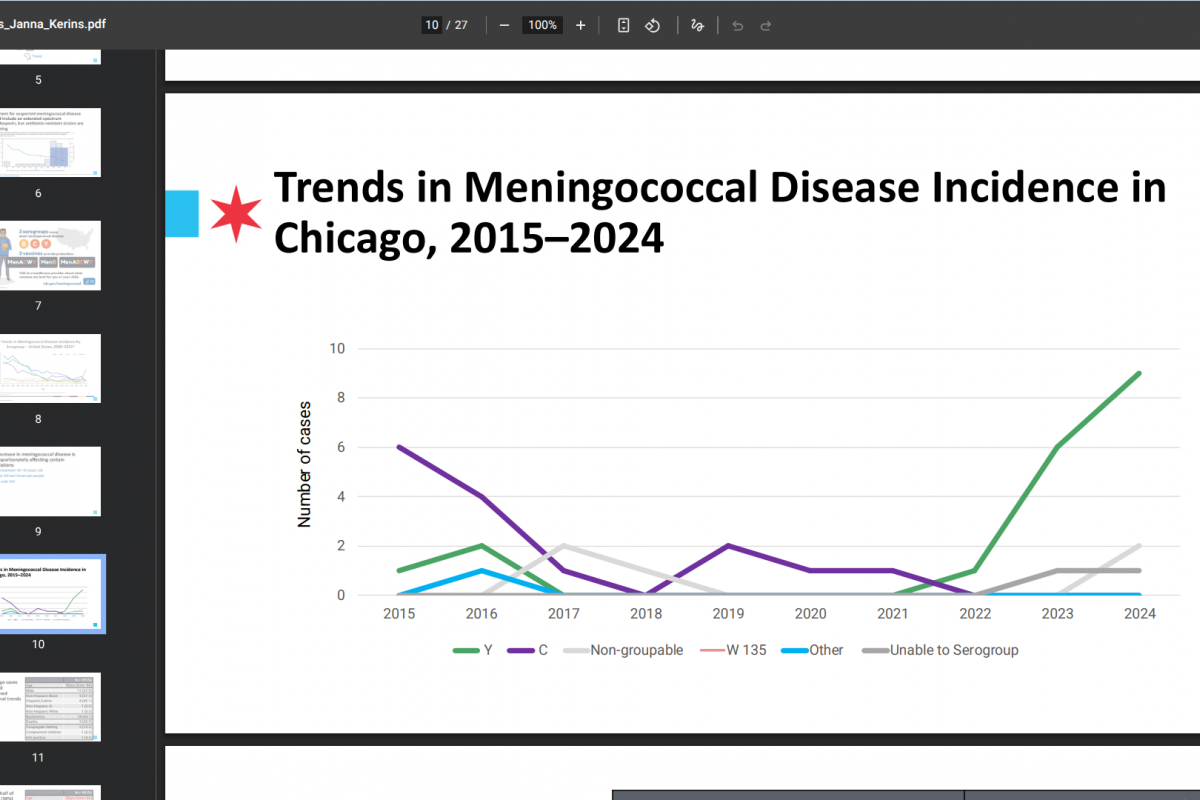
Importantly, the two community-acquired cases have no known links to each other or a temporary shelter, prompting ongoing investigations. Laboratory analysis confirmed that three cases belong to serogroup Y, the predominant strain in Chicago since 2022.
Previously, Janna Kerins, VMD, MPH, Medical Director at CDPH, reported 19 cases of N. meningitidis among Chicago residents in 2022-2024, compared with 1–3 cases annually from 2017 to 2022.
The Health Alert advised healthcare providers to maintain a high index of suspicion for N. meningitidis in individuals presenting with clinically compatible symptoms.
To contain the outbreak in late January 2026, the CDPH is providing post-exposure prophylaxis to close contacts of the affected individuals and coordinating educational efforts and vaccination clinics at the shelter and a newly relocated facility.
Seperately, the U.S. Centers for Disease Control and Prevention (CDC) says cases of meningococcal disease have increased sharply since 2021. In 2024, 503 confirmed and probable cases were reported, according to preliminary data.
As of January 28, 206, this is the most significant number of U.S. meningococcal disease cases reported since 2013.
The CDC confirms meningococcal vaccines are the best way to protect people against meningococcal disease, but side effects can occur.
For more information about Chicago's latest outbreak, visit the CDPH website or contact local health services.
Our Trust Standards: Medical Advisory Committee