Is Cancun Safe to Depart or Visit Amid U.S. Embassy Travel Alert
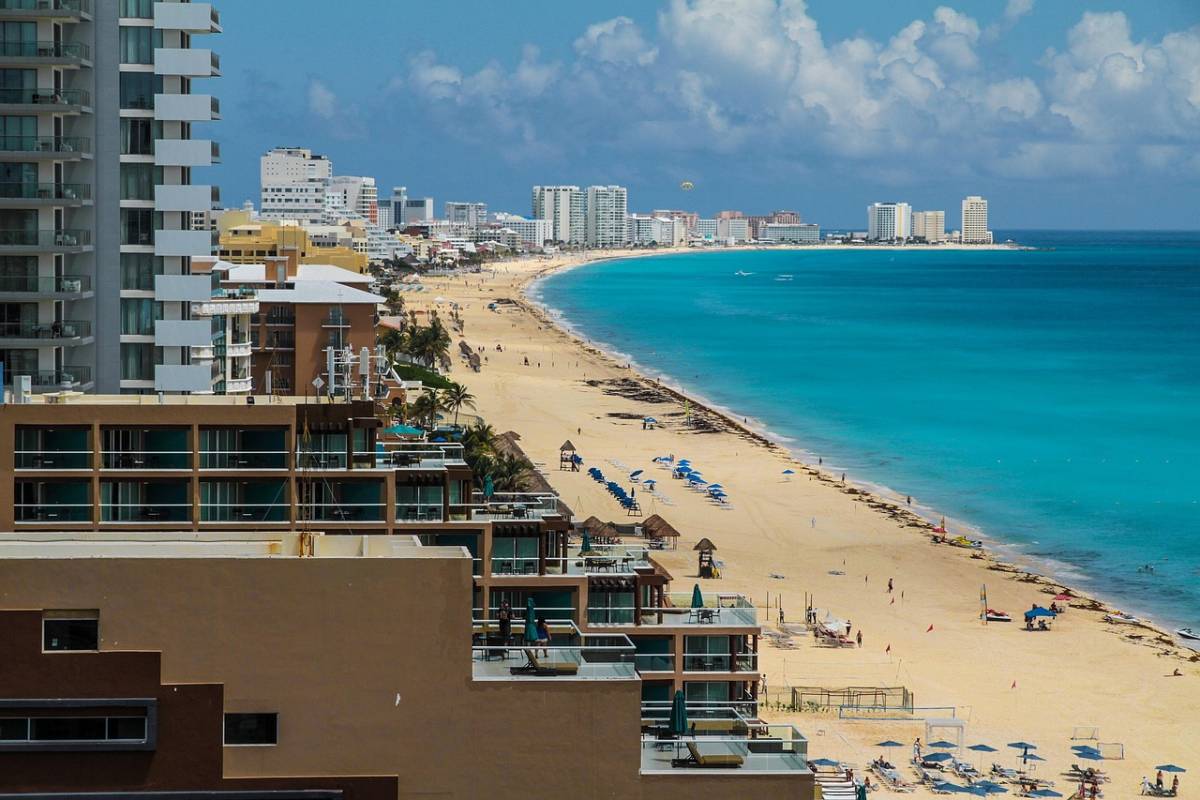
With just a few weeks left until Spring Break 2026 in the United States, one of Mexico's most popular tourist destinations is facing concerns among travelers.
On February 23, 2026, travelers at Cancun International Airport faced significant disruptions, with dozens of flights delayed or canceled, leaving hundreds stranded amid heightened security measures. Airport officials have confirmed that Cancun International Airport (CUN) remains operational, with no reported closures.
The chaos at CUN stems from broader regional instability, prompting urgent security warnings from the U.S. Embassy in the area.
The disruptions are linked to road blockages and criminal activity across multiple Mexican states, which have indirectly impacted airline operations by complicating crew movements and logistics.
According to the U.S. government, while the most severe flight cancellations have hit airports in Puerto Vallarta and Guadalajara—where roadblocks have led to the suspension of most services—Cancun has not been spared. Reinforced security presence at the airport has helped maintain functionality, but airlines are working to stabilize schedules as ripple effects continue throughout the day.
Compounding the travel woes, the U.S. Embassy in Mexico issued an updated security alert on February 22, 2026, urging American citizens in Cancun and other parts of Quintana Roo state—including Cozumel, Playa del Carmen, and Tulum—to shelter in place until further notice.
The alert cites ongoing security operations, road blockages, and heightened criminal activity as the primary concerns.
The State Department's travel advisory for Quintana Roo remains at Level 2: Exercise Increased Caution, warning of risks from civil unrest. The local U.S. embassy emphasized that while no airports have been closed nationwide, travelers should monitor local media, check road conditions, and keep family informed of their whereabouts.
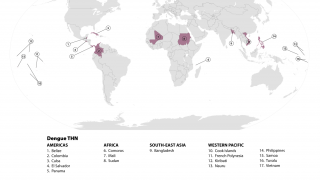
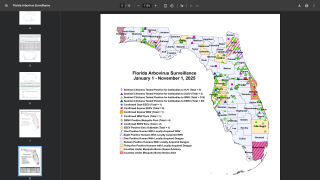
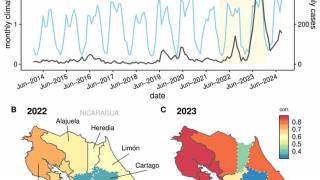
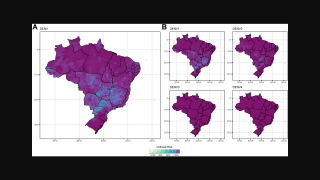
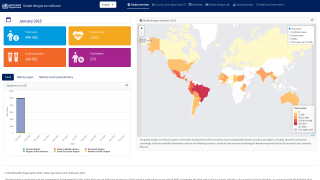
In addition to security concerns, travelers to Cancun and the surrounding areas in Quintana Roo should be aware of ongoing risks from mosquito-borne illnesses, including dengue, chikungunya, and Zika. These diseases, transmitted primarily by Aedes mosquitoes, have seen varying levels of activity in Mexico over the past two years.
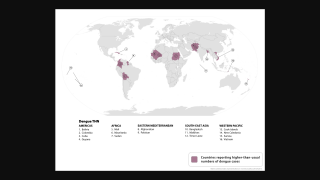
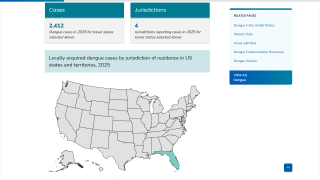
Dengue remains endemic in Mexico, with significant fluctuations in case numbers. In 2025, Mexico reported approximately 141,421 totalcases, resulting in 85 deaths nationwide.
Quintana Roo and neighboring states such as Veracruz and Sonora accounted for a notable share of cases last year.
As of early 2026 (through epidemiological week 4), Mexico has seen low activity, with 185 confirmed cases and 1,972 probable cases reported in the first two weeks alone.
This is an 83% decrease compared to the same period in 2025, but experts warn of potential seasonal increases as the year progresses.
Chikungunya transmission in Mexico has been sporadic and low in recent years. In 2025, only a handful of cases were documented nationwide, with reports indicating just four confirmed infections, primarily in southern states like Quintana Roo, Chiapas, and Yucatan.
The Pan American Health Organization (PAHO) notes that Zika virus activity in Mexico has declined sharply since the 2015-2016 epidemic. In 2025, only four confirmed cases were reported nationwide, a significant drop from 30 in 2024.
The PAHO says Zika poses particular risks to pregnant women due to potential birth defects.
The U.S. CDC and PAHO emphasize mosquito bite prevention as the primary defense against dengue, chikungunya, and Zika, given the lack of widespread vaccines for all three.
While the World Health Organization recommends the second-generation Qdenga vaccine, it is unavailable in the USA.
However, chikungunya vaccines are available and may be considered for travelers planning extended stays (e.g., 6 months or more) in areas with elevated risk, such as Quintana Roo.
Travelers with underlying health conditions and who are undervaccinated should seek pre-travel medical advice from a travel vaccine expert.
As the safety and health situations in Mexico evolve, travelers are urged to prioritize safety and heed official guidance from both Mexican authorities, the U.S. Embassy, the PAHO, and the CDC.
Our Trust Standards: Medical Advisory Committee