Cancer Vaccine Breaking News

Cancer vaccine breaking news brought to you by Vax Before Cancer.

Feb 7, 2026 • 4:29 pm CST
PAHO February 2026

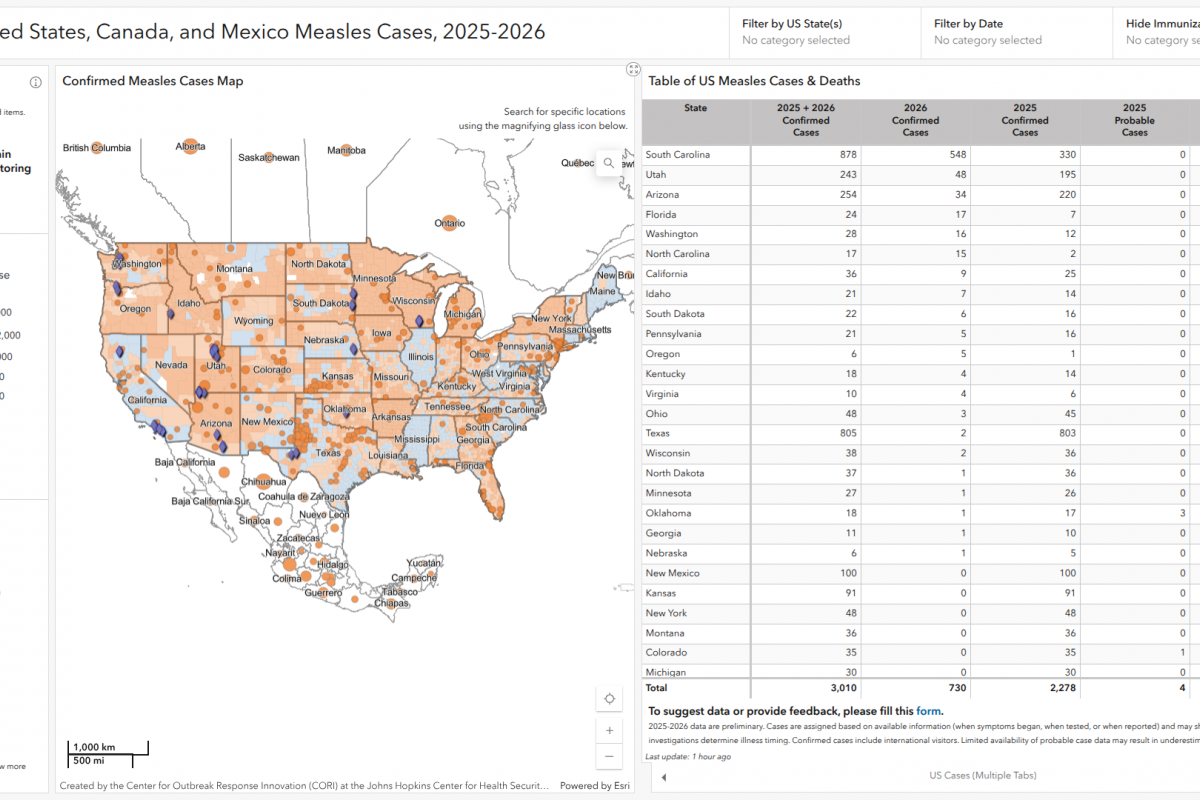
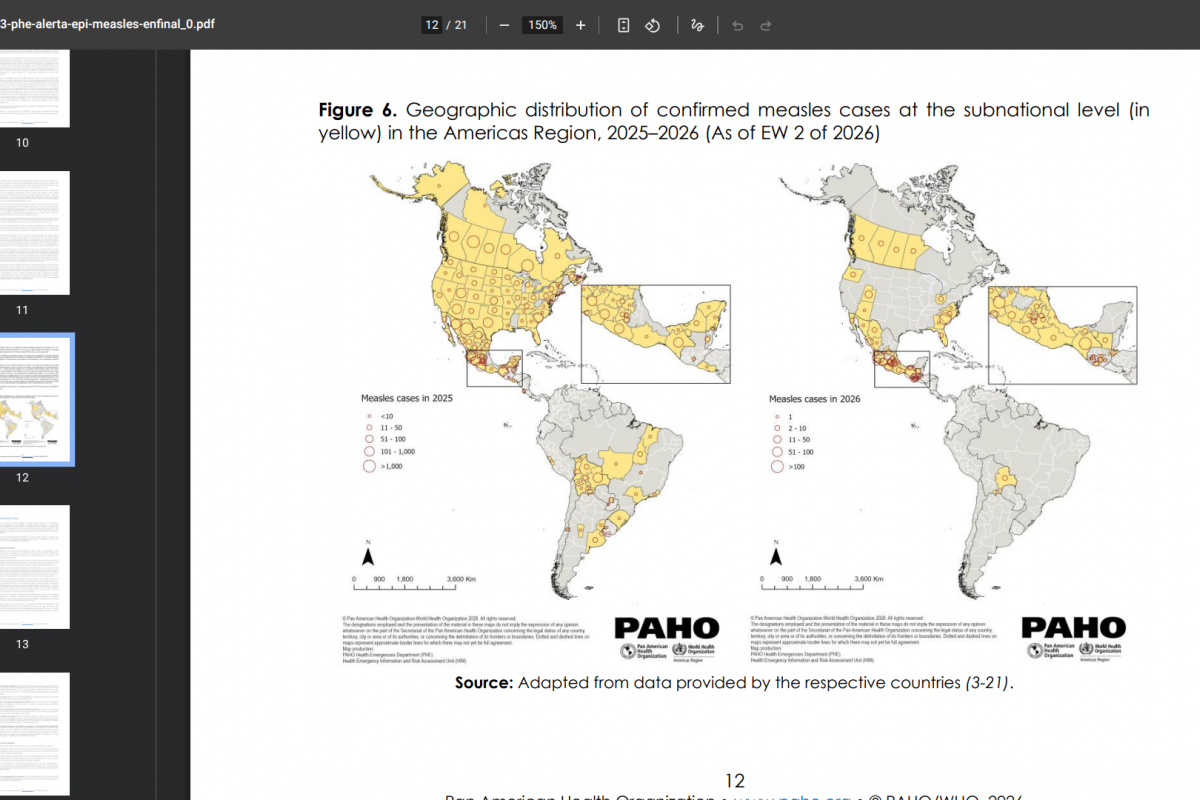
The Pan American Health Organization (PAHO) is urgently calling for coordinated action by Member States in Region #3 in response to a significant resurgence of measles in the Region of the Americas, including the United States.

While most Americans are focusing on measles outbreaks in Florida and South Carolina in February 2026, six countries are affected: Bolivia (10 cases), Canada (67 cases), Chile (1 case), Guatemala (41 cases), Mexico (740 cases), and Uruguay (1 case).

"Measles elimination in the Americas was a historic achievement, but recent events (in Canada and Mexico) demonstrate that this progress is fragile and can be reversed without consistently high vaccination coverage," stated the PAHO Director in a report issued on February 3, 2026.

"Coordinated action now can save lives, prevent further outbreaks, and ensure the health security of the region."

The PAHO emphasizes that measles is a highly contagious yet entirely preventable disease through vaccination. The current surge in cases highlights significant gaps in routine immunization.

To alert international travelers to this serious health risk in 2026, the U.S. CDC continues to issue a Level 1 Travel Health Notice, which identifies numerious countries facing measles outbreaks.

The dramatic increase in cases during 2025 and into early 2026 serves as a warning sign of vulnerabilities in vaccination coverage, says the PAHO.

As of February 7, 2026, measles vaccination services are offered to international travelers at local clinics.

Feb 7, 2026 • 3:21 pm CST
Pixabay 2026

Over the past two decades, coronaviruses (CoV) have caused three significant disease outbreaks: severe acute respiratory syndrome (SARS), Middle East respiratory syndrome (MERS), and coronavirus disease 2019.

Diseases such as MERS continue to cause severe outcomes. There have been a total of 19 MERS-CoV cases reported worldwide since the beginning of 2025, including four fatalities.

To address these diseases with a single vaccine, a candidate designed to provide broad protection against coronaviruses has entered clinical testing.

The vaccine, named GBP511, is built on a self-assembling nanoparticle technology developed by researchers at UW Medicine and the Institute for Protein Design. The South Korean pharmaceutical company SK bioscience is conducting human clinical trials for this vaccine.

GBP511 builds on technology validated through SKYCovione, a vaccine that became the world's first computer-designed medicine to achieve regulatory approval.

In preclinical studies, GBP511 has shown the ability to protect animals from related viruses not directly targeted by the vaccine.

"The beauty of this approach is that by presenting the immune system with multiple related antigens at once, we can train it to recognize features that are conserved across the entire sarbecovirus family," explained David Veesler, a professor of biochemistry at UW Medicine and a Howard Hughes Medical Institute Investigator, who led the preclinical studies, in a press release on February 3, 2026.

He added, "That's exactly what you need to prepare for unpredictable future threats."

The international Phase 1/2 trial began enrolling participants in January 2026 and will assess safety and immune responses in approximately 368 healthy adults in Perth, Western Australia. The study's results are expected by 2028.

The Coalition for Epidemic Preparedness Innovations has supported the GBP511 program with approximately $65 million in funding. 

Feb 7, 2026 • 5:19 am CST
Tropical Medicine and Infectious Disease

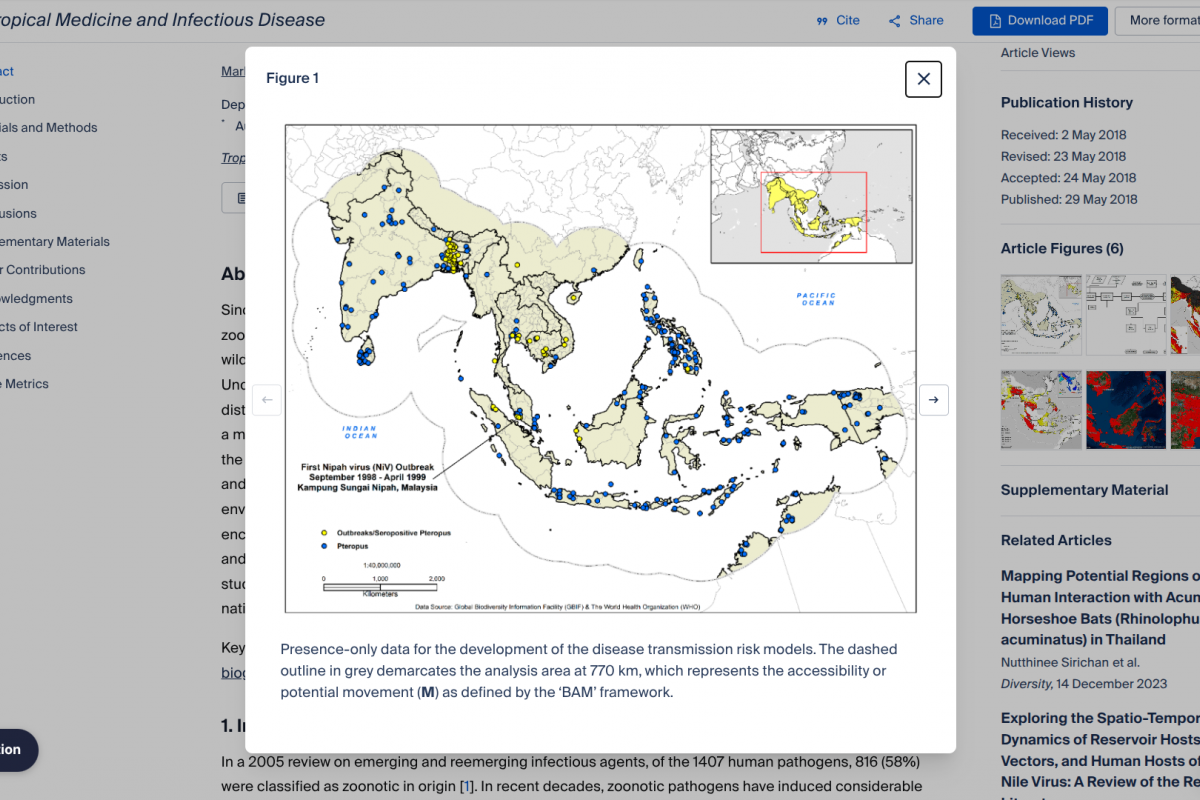
The Ministry of Health and Family Welfare of Bangladesh, in collaboration with the World Health Organization (WHO), announced today a laboratory-confirmed case of Nipah virus (NiV) infection in the Rajshahi Division of northwestern Bangladesh.

As of February 3, 2026, a middle-aged woman from Naogaon District had been experiencing symptoms including fever, headache, muscle cramps, loss of appetite, weakness, and vomiting since late January 2026, when the NiV infection was confirmed. The patient had no travel history outside the area but reported repeatedly consuming raw date palm sap in early January 2026, a known transmission route for the virus due to contamination from fruit bats.

On February 6, 2026, the WHO stated that there are currently no specific treatments or vaccines approved for Nipah, making prevention through public awareness and good hygiene practices essential.

Fortunately, NiV vaccine candidates are being tested in clinical research in 2026.

Since 1998, NiV outbreaks across Bangladesh, India, Malaysia, the Philippines, and Singapore experienced very high fatality rates, ranging from 40% to 75%.

Furthermore, the WHO assessed the overall public health risk posed by this NiV event as low at the national, regional, and global levels. The risk of international disease spread is also considered low, and no travel or trade restrictions are recommended.

Feb 6, 2026 • 1:57 pm CST
Johns Hopkins University February 2026

An unexpected measles outbreak at Ave Maria University in Collier County, Florida, has intensified, with at least 20 students now confirmed to have contracted the highly contagious viral infection.

As of February 6, 2026, three of these Florida students have been hospitalized due to complications from the illness.

Located northeast of Naples, the school officials stated on their website that they continue to provide care for all students, regardless of test results, and are closely monitoring the situation. In addition to the Padre Pio Campus Health Clinic, a second on-campus clinic has been established to support routine student care.

This outbreak represents the first significant measles activity in Collier County in nearly a decade, as there have been no reported cases during that time.

Alarmingly, university officials have noted that approximately 98% of the student population is vaccinated against measles, which exceeds the U.S. CDC recommendations.

The CDC reports data from 2025-2026, indicating that about 3% to 4% of total reported breakthrough measles cases in the U.S. occurred among people who had received 2 doses.

According to the Florida Department of Health (DOH), there were around 10 confirmed measles cases in southeast Florida (Broward County) in early 2024.

As of early February, the Florida DOH in Collier County is providing additional resources to monitor for suspected measles cases and to minimize further transmission.

Unfortunately, in a potentially related matter, further north in Florida, the administration of St. Petersburg Catholic High School confirmed on Friday, February 4, 2026, that a student has a confirmed case of measles.

The DOH says measles vaccination services are offered at public and commercial locations throughout Florida.

Feb 6, 2026 • 12:15 pm CST
US CDC February 2026

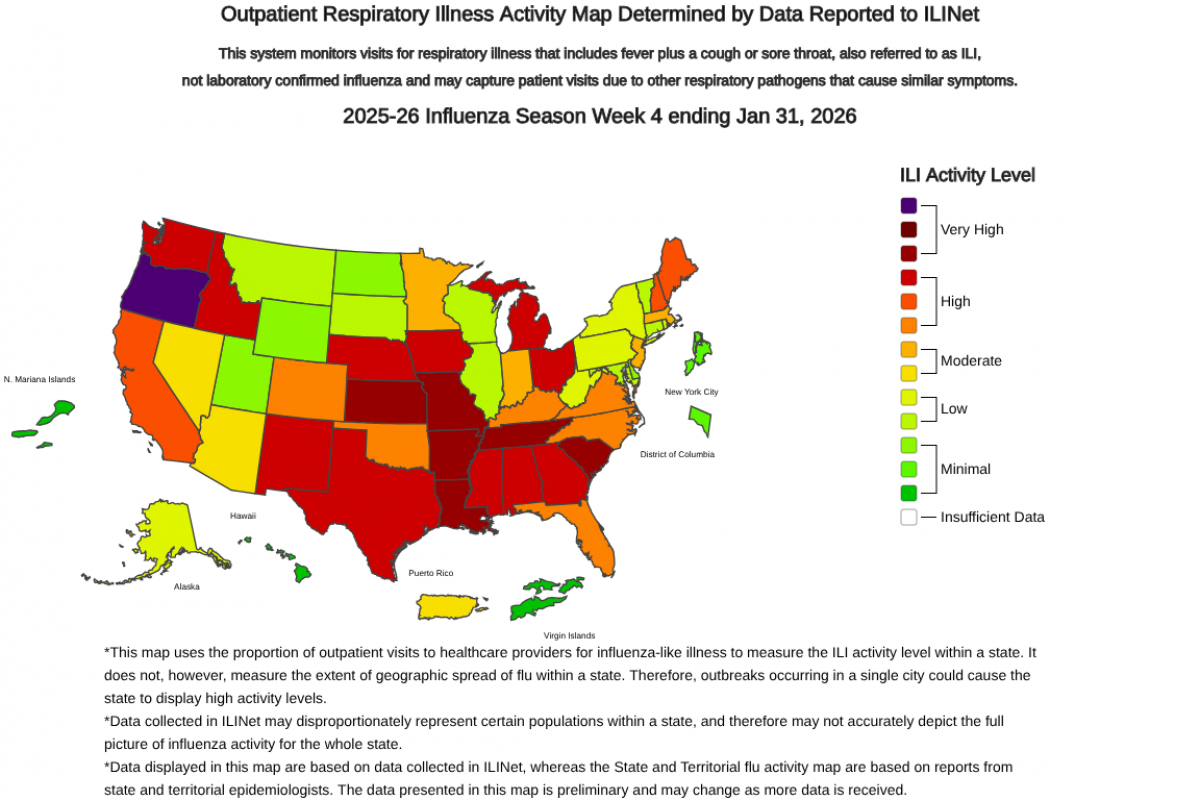
The U.S. Centers for Disease Control and Prevention (CDC) is continuing to monitor elevated levels of seasonal influenza activity across the nation, as detailed in the FluView surveillance report #4.

The CDC's in-season severity assessment framework classified the 2025-2026 flu season as moderate across all ages.

As of February 6, 2026, the CDC reports that influenza activity remains high nationally, although some areas are seeing stabilization or a decline in flu cases.

Most regions are reporting stable or decreasing overall flu activity.

However, influenza activity is still on the rise, with high infection rates driven by an influenza A(H3N2) strain in HHS Region 10, which includes the Pacific Northwest states: Alaska, Idaho, Oregon, and Washington.

The CDC emphasizes that getting vaccinated is a crucial preventive measure, even late in the current flu season, as it significantly reduces the risk of severe illness, hospitalization, and death.

The CDC strongly advises those who have not yet been vaccinated to do so as soon as possible. Various flu vaccines are still available at local clinics throughout the USA.

Approximately 134 million doses of influenza vaccine have been distributed in the United States this season.

For the most up-to-date information, including interactive maps and detailed regional data, please visit the CDC's FluView portal at cdc.gov/fluview.

Feb 5, 2026 • 12:48 pm CST
Google Maps 2026

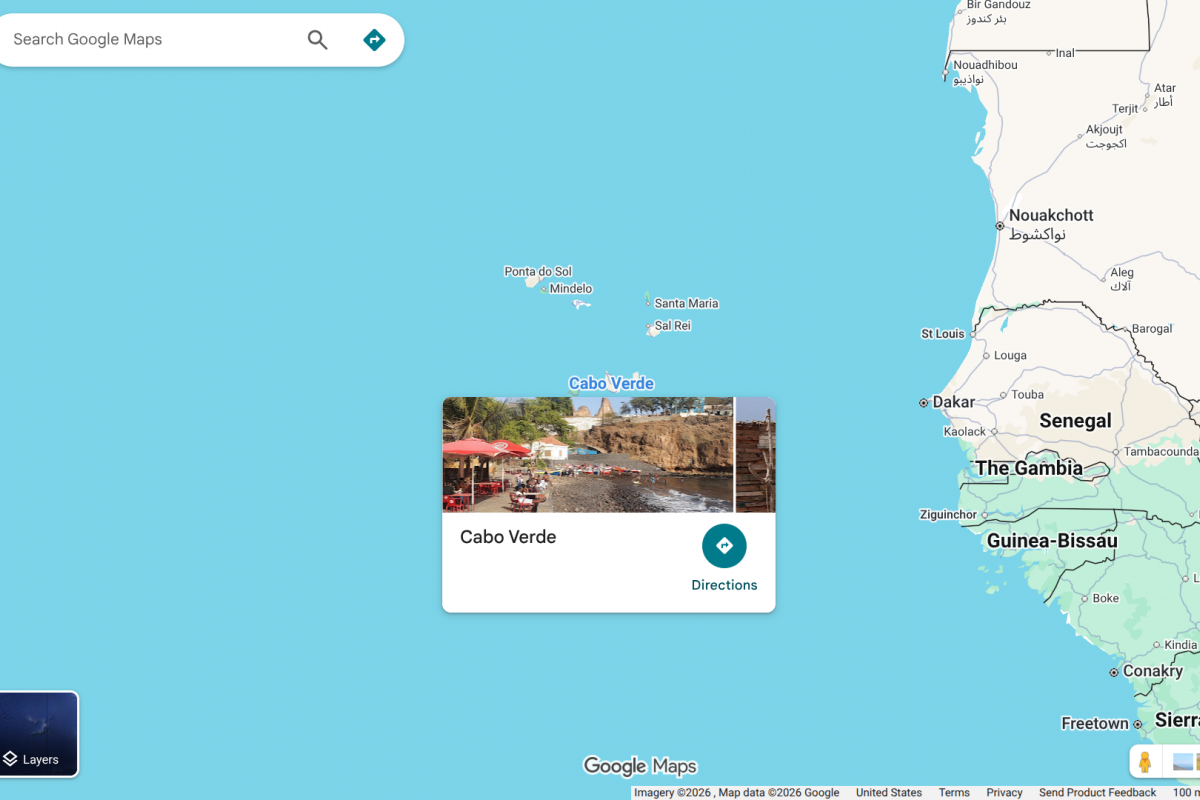
As the February 2026 vaccination plans are being formed, the UK Health Security Agency (UKHSA) has issued an important reminder for travelers heading to Cape Verde to take extra precautions against gastrointestinal infections when visiting the West African archipelago.

As of February 5, 2026, recent UKHSA data indicate a significant cluster of Shigella sonnei cases, a bacterial cause of severe dysentery-like illness, along with multiple clusters of non-typhoidal Salmonella infections strongly linked to recent travel to Cape Verde.

Since October 1, 2025, the UKHSA has confirmed 158 cases of Shigella sonnei in travelers returning to England, Scotland, and Wales. Of the 118 cases where international travel was reported, 112 (94.9%).

Many travelers to Cape Verde have visited the Santa Maria area on Sal Island and the Boa Vista area, popular resorts known for their beaches.

The UKHSA says this strain of Shigella sonnei shows no genomic resistance to the common antimicrobials typically used to treat traveler's diarrhea, which could facilitate treatment if an infection occurs.

Additionally, 32 cases were linked to travel to Cape Verde during the same period.

Investigations into the outbreaks are ongoing and involve international health partners. Cases have also been reported in other European countries, particularly from September to November 2025.

Shigella and Salmonella are primarily transmitted through contaminated food and water, poor hygiene practices, and person-to-person contact. The risk of infection is especially heightened in resort settings.

Symptoms typically appear within a few days, and while most people recover within a week with supportive care (with hydration being crucial), severe cases can lead to dehydration, hospitalization, or complications. This is particularly concerning for vulnerable groups such as young children, the elderly, and individuals with weakened immune systems.

The UKHSA emphasizes that while Cape Verde is a popular travel destination, increased vigilance can help prevent illness and ensure a safe holiday. Travelers who experience symptoms upon returning should seek medical advice and inform their doctor about their travel history.

From a prevention standpoint, no Shigella vaccine has received regulatory approval from any health authority as of February 2026.

However, the Shigella4V (S4V or S4V2) vaccine candidate received U.S. FDA Fast Track designation in 2024. Phase 2 studies (including in infants) are underway, but no Phase 3 completion or approval has been achieved yet.

Feb 5, 2026 • 9:03 am CST
Pixabay 2026

In a recent update from the U.S. Centers for Disease Control and Prevention (CDC), details were released about a gastrointestinal illness (GI) outbreak aboard the Regent Seven Seas cruise ship, Seven Seas Mariner.

The CDC reported this incident on February 2, 2026, which affected a small percentage of passengers and crew, underscoring the ongoing challenges of maintaining health standards on luxury cruises in the travel environment.

According to the CDC's Vessel Sanitation Program (VSP), the final case counts showed that 21 of 631 passengers (3.3%) reported illness, and 6 of 458 crew members (1.3%).

The predominant symptom among those affected was diarrhea, and the specific causative agent remained unknown despite testing.

In response to the outbreak, Regent Seven Seas and the ship's crew implemented several measures as outlined in the CDC report. These included enhancing cleaning and disinfection procedures in accordance with their established outbreak prevention and response plan. Stool specimens were collected from affected individuals for laboratory testing, and ill passengers and crew members were isolated to prevent further spread.

The cruise line consulted directly with VSP officials to enhance sanitation protocols and improve case reporting.

Regent Seven Seas has consistently received high scores from the VSP, often exceeding 95 out of 100 in routine inspections. This strong track record may have helped in the swift containment of the recent outbreak.

The CDC says GI outbreaks are common in close-quarters environments, such as cruise ships, and are often linked to norovirus or other pathogens. However, the relatively low infection rate in this case indicates that the situation was effectively managed.

In 2025, there were 23 reported outbreaks, of which 17 were attributed to norovirus. This virus is the most common cause of confirmed GI outbreaks on cruise ships because it spreads easily in tight spaces.

For those planning cruise ship voyages in 2026, Vax-Before-Travel.com reports that no vaccine is currently available for norovirus.

Feb 5, 2026 • 4:16 am CST
Israel MOH February 4, 2026

Measles is an ongoing risk around the world, and children are at serious risk for the highly transmissible disease in most countries. Since 2023, measles incidence has been rising in many countries worldwide, including in Europe.

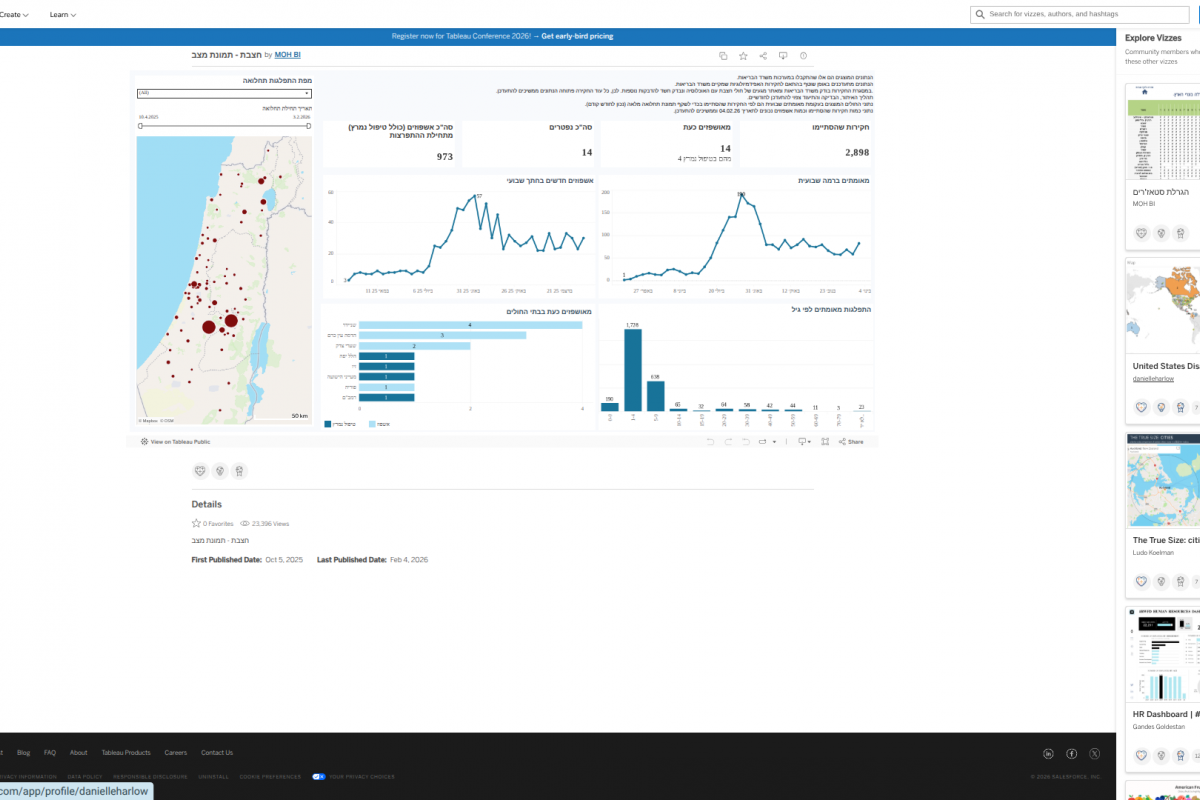
The Israeli Ministry of Health recently reported the 14th pediatric fatality due to measles since an outbreak began in mid-April 2025, partially from imported cases and others of unknown origin.

The Ministry's announcement on February 2, 2026, confirmed that the affected individual was a one-year-old who had not been vaccinated. The baby was brought to Hadassah Mount Scopus Hospital in Jerusalem in critical condition. 

Similar to previous cases, most of the deceased were healthy infants without any underlying conditions and had also not received vaccinations.

The Ministry emphasizes that measles is a preventable disease and advises that all children should receive their first vaccine dose at the age of one. In areas affected by the outbreak in Israel, the Health Ministry recommends administering the second dose of the measles vaccine at 18 months.

Additionally, an extra vaccine dose is recommended for infants aged 6 to 11 months in outbreak areas and for those traveling to outbreak areas.

As of February 5, 2026, the areas in Israel that have been classified as experiencing a measles outbreak are Jerusalem, Beit Shemesh, Bnei Brak, Harish, Modi'in Illit, Nof HaGalil, Kiryat Gat, Ashdod, Safed, Netivot, Haifa, Tiberias, the Mateh Binyamin Regional Council, and the settlement of Tekoa.

To alert international travelers to their health risk, the U.S. CDC has maintained a Level 1, Travel Health Notice, that identifies measles outbreaks in numerious countries. The CDC advises all travelers to speak with a local travel vaccine expert about measles immunization options and other vaccine-preventable diseases.

Feb 4, 2026 • 1:17 pm CST
Florida DOH 2026

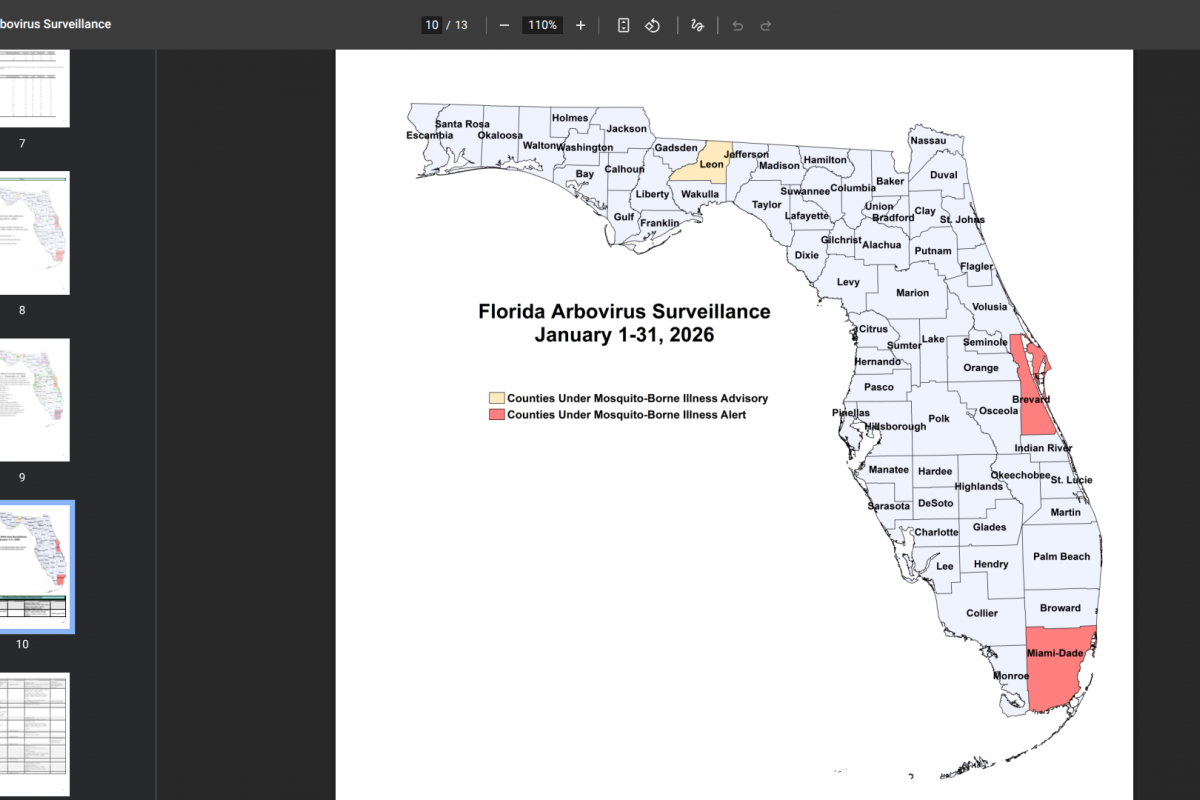
The Florida Department of Health (DOH) today announced updated surveillance data on chikungunya fever cases in the state.

As of February 4, 2026, the data emphasize the ongoing risks associated with travel to chikungunya-endemic areas, particularly Cuba, as well as the rare but noteworthy occurrence of local transmission in Florida.

As of the latest reporting period (#4) in 2026, nine cases have been confirmed among individuals with travel history to chikungunya-endemic areas within two weeks before onset, all linked to travel to Cuba.

And one case of locally acquired chikungunya fever was reported in Miami-Dade County, with symptom onset in December 2025. 

In 2025, a total of 350 chikungunya cases were reported among individuals who had recently traveled to chikungunya-endemic areas. These cases were distributed across multiple Florida counties, with Miami-Dade County reporting the highest number at 229.

Chikungunya fever is a viral illness primarily transmitted by Aedes mosquitoes. Symptoms include high fever, severe joint pain, muscle pain, headache, nausea, fatigue, and rash. Most individuals recover completely; however, joint pain can be debilitating and may persist for months in some cases. There is no specific antiviral treatment, but supportive care can help relieve symptoms.

The DOH and the U.S. CDC advise travelers to endemic areas to consult local healthcare clinics about preventive strategies, including vaccination options. In Florida and most states, U.S. FDA-approved chikungunya vaccines are available in 2026.

Feb 4, 2026 • 12:41 pm CST
ECDC 2026

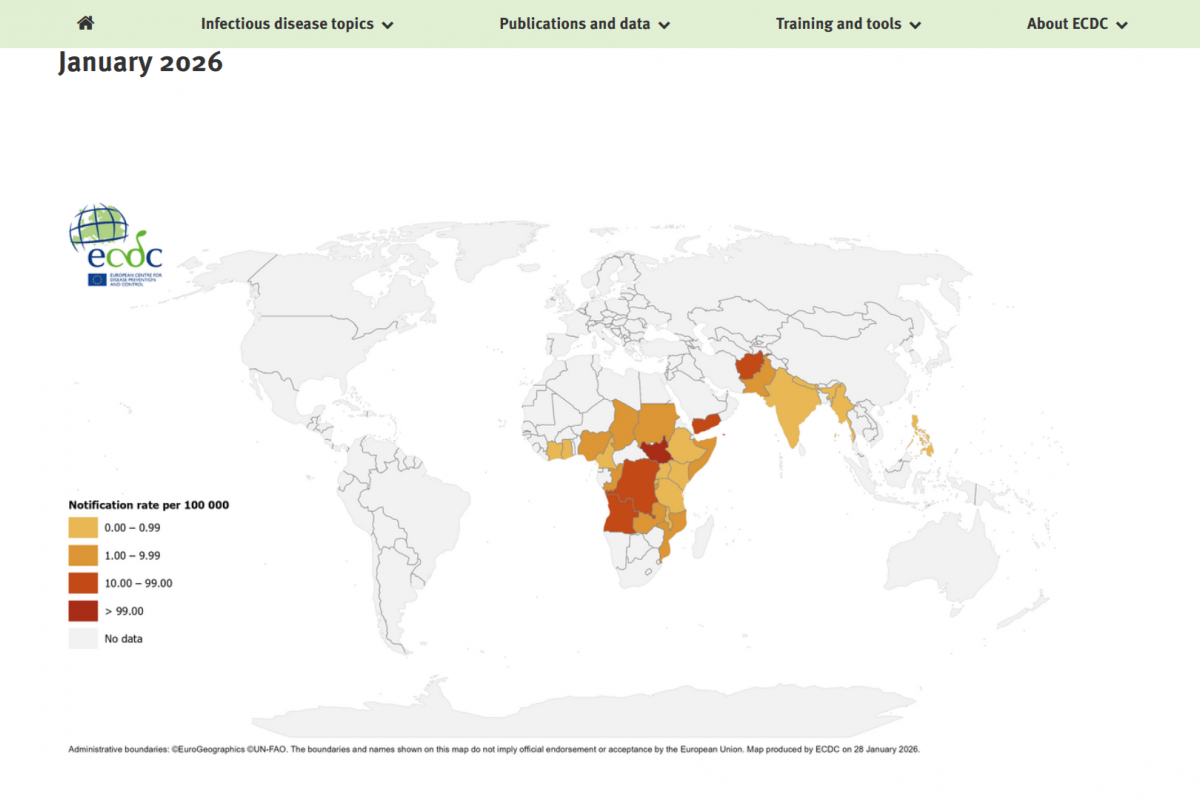
In the past year, the World Health Organization (WHO) reported over 600,000 cases of cholera or acute watery diarrhea and nearly 7,600 deaths across 33 countries.

However, these figures are likely underreported, as cholera cases often go unrecorded.

Today, Gavi, the Vaccine Alliance, UNICEF, and the WHO announced that the global supply of oral cholera vaccine (OCV) has increased sufficiently to resume life-saving preventive vaccination campaigns for the first time in over three years.

A first allocation of 20 million doses is being deployed for preventive campaigns.

Of these, 3.6 million doses were delivered to Mozambique; 6.1 million to the Democratic Republic of the Congo, which is also experiencing significant outbreaks; and 10.3 million doses are planned for delivery to Bangladesh.

"Global vaccine shortages forced us into a cycle of reacting to cholera outbreaks instead of preventing them. We are now in a stronger position to break that cycle. I thank EUBiologics, currently the only manufacturer producing cholera vaccines at the scale needed for mass vaccination campaigns, for its efforts, and urge others to enter this vital space. These vaccines will save lives," said Dr Tedros Adhanom Ghebreyesus, WHO Director-General, in a press release on February 4, 2026.

Over the last few years, the annual global supply of OCV has doubled from 35 million doses in 2022 to nearly 70 million doses in 2025. The doses are being financed by Gavi and procured and delivered to countries by UNICEF.

"The multi-year surge in cholera cases and resulting unprecedented demand for vaccines were stark reminders that sustainable, accessible vaccine supply is a global public good – and the world cannot afford complacency," added Dr Sania Nishtar, CEO of Gavi, the Vaccine Alliance.

"For the first time in years, this increase in vaccines will allow us to prevent large-scale cholera emergencies better," said Catherine Russell, UNICEF Executive Director. "Resuming preventive cholera vaccination will protect children and help stop this highly contagious disease in its tracks. But it must go hand in hand with other efforts, including better access to safe water and basic sanitation."

While global vaccine supply steadily improves, the one-dose strategy will remain the standard for outbreak responses, with the use of two doses considered on a case-by-case basis.

Cholera spreads through contaminated food and water, causing severe diarrhoea and dehydration. It can lead to death if it is not treated quickly. It is found in places without safe water and sanitation, mainly in localities affected by conflict and poverty.

The WHO says vaccination is only one aspect of cholera prevention and response. Long-term investments in safe water, sanitation, and hygiene infrastructure, alongside disease surveillance, rapid treatment, and community engagement, remain essential to prevent outbreaks from starting and spreading, and to reduce deaths in the long term.

In the United States, OCVs are offered at travel vaccine clinics, located in every state.
Feb 3, 2026 • 4:44 pm CST
Google Maps 2026

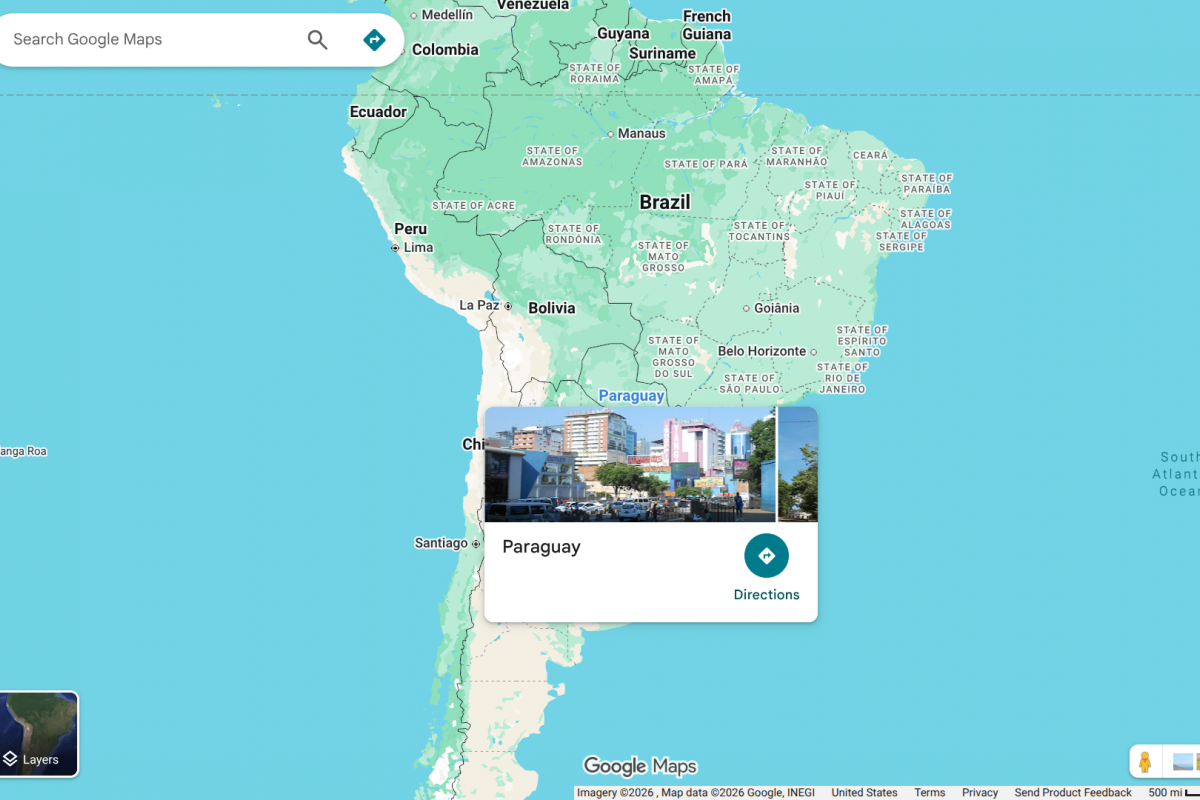
The Republic of Paraguay's Ministry of Public Health and Social Welfare announced today that the Dengue vaccination strategy, initially targeted at children in priority municipalities, is now being expanded to include individuals aged 39 and younger.

Announced on February 3, 2026, this decision is based on an epidemiological analysis conducted over recent years, which indicates a significant burden of Dengue not only among children but also among adolescents and young adults.

Between 2019 and 2024, the 20 to 39-year-old age group accounted for more than 108,000 Dengue cases in this South American country, reflecting one of the highest incidence rates recorded.

These findings support the extension of the second-generation, two-dose, Qdenga (TAK-003) vaccine, which protects against all four serotypes of the Dengue virus.

Paraguay says vaccination is a critical component of a comprehensive strategy that includes epidemiological surveillance and preventive measures to mitigate the impact of Dengue in the country.

Paraguay's neighbor, Brazil, recently announced it would focus on a newly approved third-generation, single-dose Butantan-DV vaccine for its residents.

Currently, Dengue vaccines are unavailable in the continental United States.

Feb 3, 2026 • 4:18 pm CST
by Hong Manh

As of February 2026, the U.S. Food and Drug Administration (FDA) has not yet approved any vaccine for the herpes simplex virus (HSV). However, several candidates are currently undergoing clinical trials.

These efforts aim to tackle the global impact of HSV-1 and HSV-2 infections, which cause oral and genital herpes in millions of people annually.

Unfortunately, the FDA states that there is currently no cure for HSV infections.

However, antiviral medications can help shorten the duration of herpes outbreaks. A significant advancement in HSV treatment is currently attracting attention.

AiCuris Anti-infective Cures AG is set to present detailed results from its pivotal Phase 3 clinical trial of pritelivir as a late-breaking oral presentation at the Tandem Meetings 2026, held February 4-7 in Salt Lake City, Utah.

Pritelivir, a novel oral helicase-primase inhibitor, targets both HSV-1 and HSV-2 by blocking viral DNA synthesis through a mechanism distinct from traditional nucleoside analogs like acyclovir or valacyclovir.

This unique mode of action makes it effective against strains resistant to current standard therapies, addressing a critical unmet need—particularly in immunocompromised patients, where resistant or refractory HSV infections can lead to severe complications and limited treatment options.

The PRIOH-1 trial focused on immunocompromised individuals with acyclovir-refractory (and sometimes foscarnet-resistant) mucocutaneous HSV infections. In October 2025, AiCuris announced that pritelivir met its primary endpoint, demonstrating statistically significant superiority in lesion healing compared to the investigator's choice of standard-of-care treatments (such as foscarnet, cidofovir, or topical options).

Superiority was shown for treatment up to 28 days (p=0.0047), with even stronger results extending to 42 days (p<0.0001).

Earlier Phase 2 data supported a favorable safety profile, and pritelivir has held an FDA Breakthrough Therapy designation for this indication since 2020. AiCuris expects to file for FDA marketing authorization in 2026, potentially offering the first new HSV therapy in decades that is active against resistant strains.

Full abstracts will be released on February 4, 2026, and will be available via the conference website here

This development highlights progress in managing HSV complications in high-risk groups, even as preventive vaccines remain further on the horizon. Ongoing research and presentations like this at major conferences continue to drive hope for improved options against this widespread virus.

Feb 3, 2026 • 1:07 pm CST
US CDC 2026

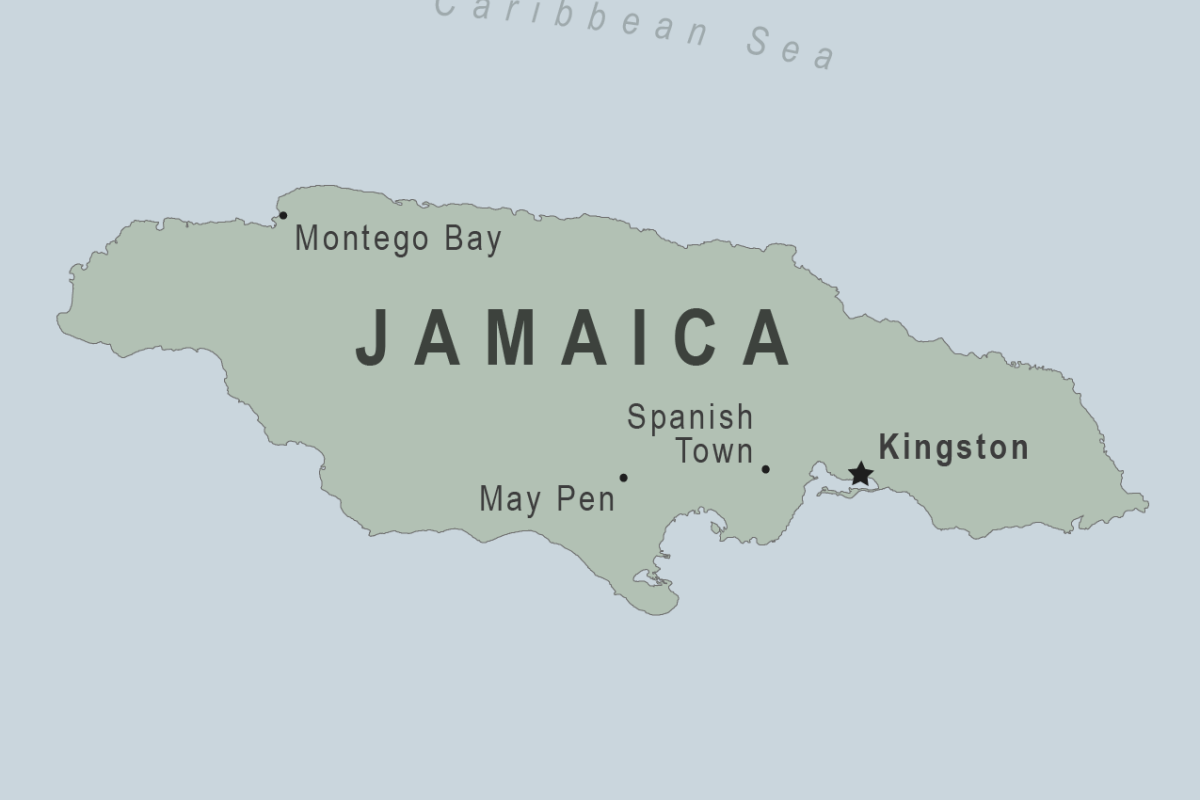
Three months after Hurricane Melissa made landfall in Jamaica on October 28, 2025, as the strongest Category 5 storm ever to hit the Caribbean island, the country's health system is still in the process of recovery.

The aftermath has resulted in widespread damage and ongoing public health risks.

In this interview, published on February 2, 2026, Ian Stein, the Pan American Health Organization/World Health Organization country representative in Jamaica, shares insights into the realities of recovery, lessons learned, and what success looks like in a complex emergency.

As of 2026, the U.S. CDC website states that, in the wake of Hurricane Melissa, travel by land may be dangerous in flood zones, and the healthcare infrastructure has been damaged in these areas.

There may be an increased risk of waterborne (including leptospirosis), vector-borne, and fungal diseases. And avoid contact with floodwater.

Furthermore, before visiting Jamaica in 2026, check the list of recommended vaccines and medications and see your travel health provider at least a month before your trip to get any you may need. 

From a security perspective, the U.S. Department of State lowered its advisory for Jamaica to Level 2: Exercise Increased Caution on January 17, 2026, citing crime, health, and natural-disaster risks.

The State Department advisory clarifies that some areas have an increased risk. The U.S. advises against traveling to these areas for any reason.

Feb 3, 2026 • 10:08 am CST
Google Maps February 2026

The Republic of Costa Rica's tourism sector has started the 2026 winter vacation season on a positive note, with reports of strong international arrivals.

By early February 2026, Costa Rican tourism authorities had noted bustling activity at the country's main airports: Juan Santamaría International Airport in the Central Valley and Daniel Oduber Quirós International Airport.

Like past seasons, snowbirds are attracted to Costa Rica's sunny beaches, volcanoes, rainforests, and eco-tourism options.

However, amidst this promising tourism rebound, health authorities have issued a warning regarding mosquito-borne diseases.

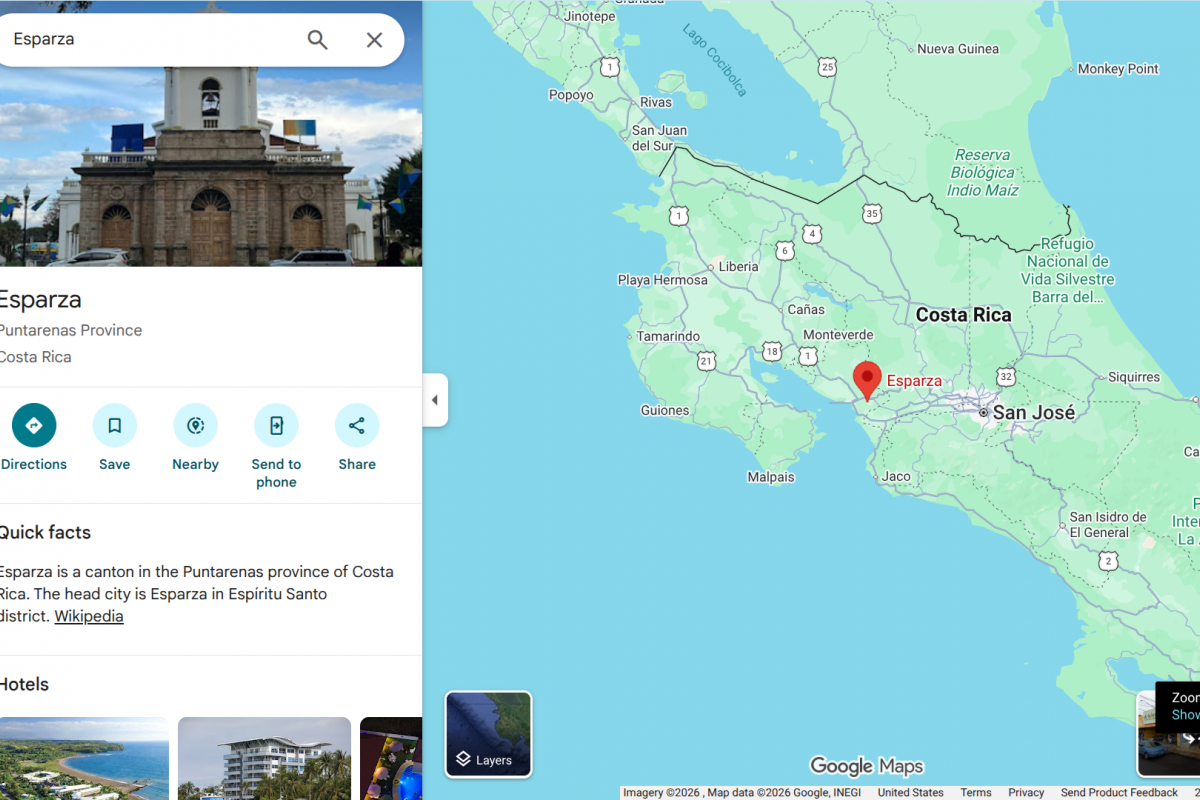
On January 29, 2026, the Ministry of Health confirmed a second case of Chikungunya in a resident of Esparza, Puntarenas province—the same canton where the first case was confirmed earlier in January.

Based on the onset of symptoms, the second patient may have been infected around the same time as the initial case.

Puntarenas is located in the western part of the country, covering most of Costa Rica's Pacific Ocean coast. And Esparza is situated between the mouths of the Río Barranca and the Río Jesús María rivers.

Vector control efforts in Esparza are ramping up, with teams having already fumigated 10,210 homes and buildings, applied insecticides using LECO sprayers and tractor-mounted foggers, and conducted thorough searches for individuals exhibiting fever symptoms.

These measures will continue over the next few weeks to prevent further spread of the virus.

Last year, eight cases of Chikungunya were reported, a marked improvement from 2024, when over 400 cases were reported.

The Ministry of Health has reminded the public that Chikungunya is transmitted by the same Aedes mosquitoes that spread Dengue and Zika.

Symptoms typically include fever, severe joint pain, muscle pain, headache, nausea, fatigue, and rash. While most cases are mild and resolve within weeks, joint pain can persist.

While no vaccines are required for entry into Costa Rica when traveling from the United States, chikungunya vaccines are available at travel vaccination clinics before departure abroad.

Travelers are advised to stay informed about health recommendations from the Ministry of Health, the U.S. CDC, or reliable sources such as vax-before-travel.com.

Feb 3, 2026 • 5:30 am CST
PAHO February 3, 2026

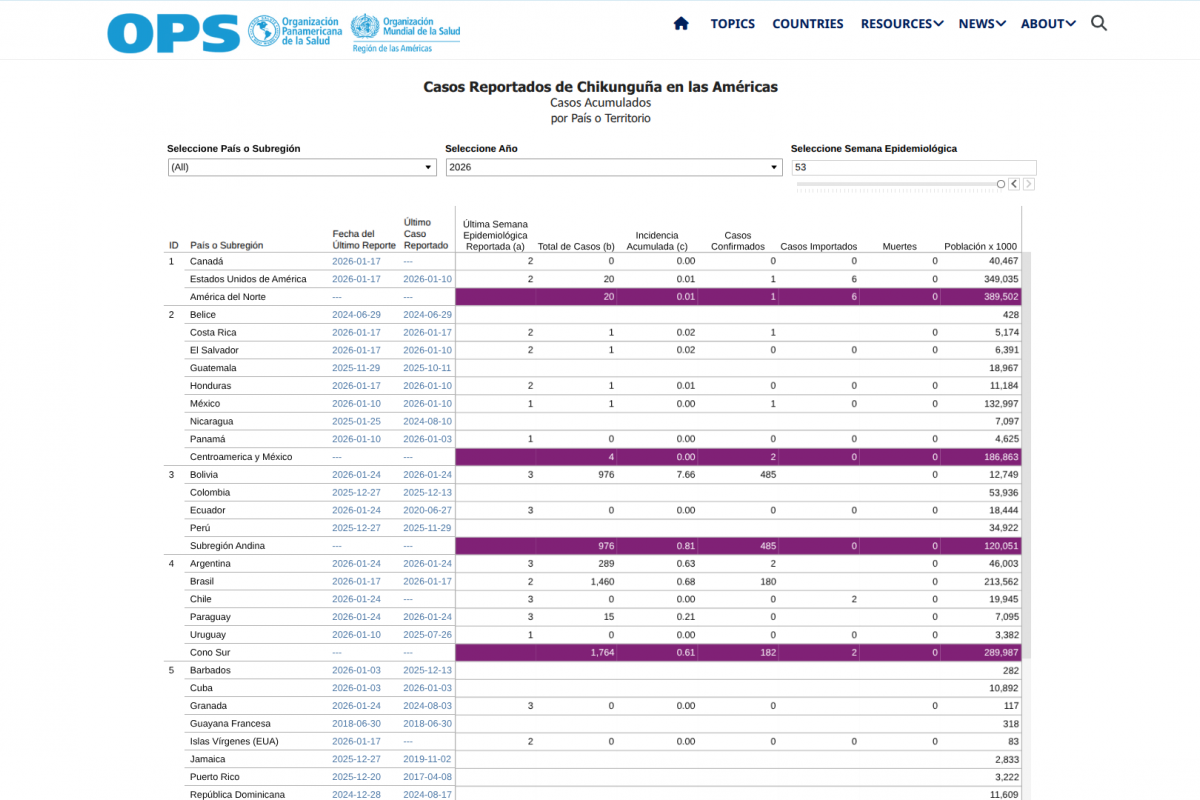
Chikungunya is a viral disease spread through the bites of infected mosquitoes. Since 2013, the virus has been detected in the Americas, and it has rapidly spread throughout Brazil.

Brazil has reported the highest number of chikungunya cases worldwide, including 246 related fatalities in 2024.

As of early February 2026, Brazil has reported 1,480 suspected and 180 confirmed cases of chikungunya.

In response to this serious public health issue, Brazil is taking additional measures to secure access to chikungunya vaccines.

Valneva SE today announced the launch of a Pilot Vaccination Strategy (PVS) in Brazil in collaboration with Instituto Butantan, one of the world's largest biomedical research centers. The companies initially signed a technology transfer agreement in January 2021.

This new PVS program will utilize Valneva's single-dose chikungunya vaccine, IXCHIQ®.

The goal of this program is to support post-marketing commitment studies that will assess the effectiveness and safety of IXCHIQ® in real-world conditions, providing valuable data from a large population.

Esper Kallas, M.D., Ph.D., The Director of the Instituto Butantan outlined the path toward the PVS program on February 3, 2026, stating: "With ongoing engagement from the Ministry of Health, regional health secretaries, and ANVISA, I am confident that we have established a program that is both robust and compliant with regulatory standards."

"These combined efforts are expected to ensure timely access to vaccination and alleviate the significant public health burden associated with this arboviral disease."

This initiative follows an announcement in January 2026 by Eurofarma. This Brazilian pharmaceutical company stated that it had acquired the rights to sell and distribute Bavarian Nordic's chikungunya vaccine, CHIKV VLP (VIMKUNYA®), in Brazil.

These actions in Brazil may help the state of Florida reduce the number of travel-related chikungunya cases. As of December 2025, 328 travel-related chikungunya cases have been confirmed, many in Miami-Dade County.

Furthermore, 14 cases of chikungunya fever were reported in 2026 among persons who had traveled internationally, with one local case in southeastern Florida.