Argentina Confronts Chikungunya Outbreak in Salta Province, Again
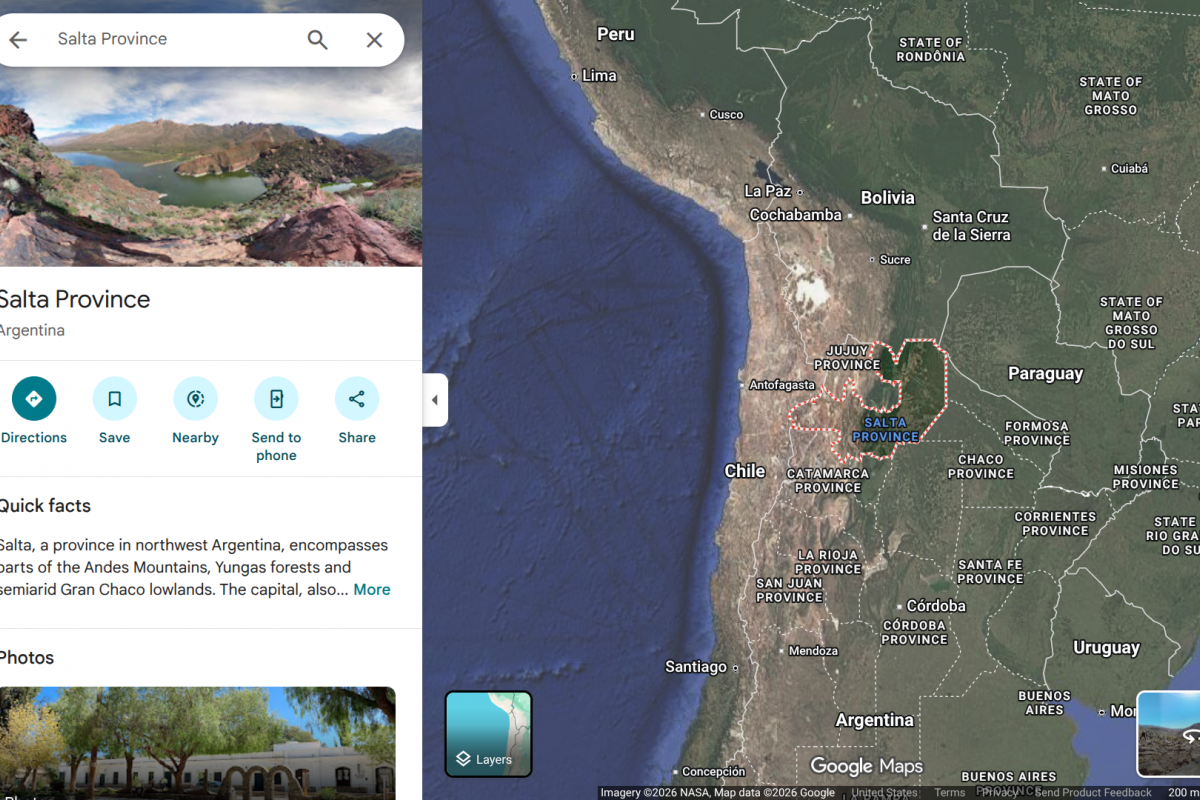
Argentine health authorities recently confirmed a total of 433 chikungunya cases nationwide as of mid-April 2026, with the northern province of Salta being identified as the epicenter of the outbreak.
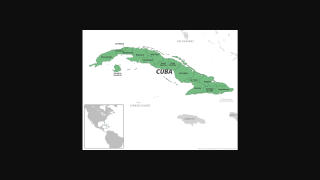
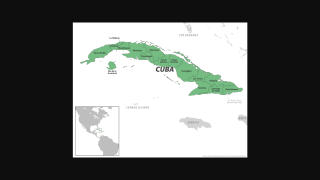
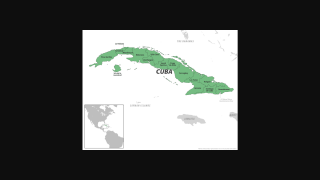
Among these cases, 357 were acquired locally through mosquito transmission, while 76 were imported—linked to travelers returning from Bolivia, Brazil, Paraguay, and Cuba, according to the National Epidemiological Bulletin N802.
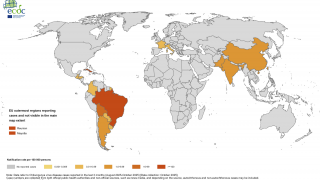
The current 2025–2026 season marks another escalation of the outbreak, fueled by sustained transmission in neighboring countries and favorable climatic conditions that contribute to regional trends in arboviral diseases.
Salta, located in northwestern Argentina along the border with Bolivia, has reported the majority of infections. The cases are concentrated in border municipalities such as Profesor Salvador Mazza in the General José de San Martín Department, Aguas Blancas and San Ramón de la Nueva Orán in the Orán Department, and Tartagal.
These areas lie in the subtropical lowlands of the Chaco and Lerma Valley regions, where elevations range from 200 to 2,000 meters. The warm, humid climate, characterized by heavy summer rainfall, creates ideal breeding grounds for the Aedes aegypti and Aedes albopictus mosquitoes, which are the primary vectors of the chikungunya virus.
The 2026 outbreak reflects Argentina's history with chikungunya, a mosquito-borne alphavirus that was first detected in the country through imported cases in 2014. Argentina recorded its first instance of autochthonous transmission in 2016, which was mostly confined to the provinces of Salta and Jujuy.
The Asian genotype of the virus drove that early outbreak. Still, genetic sequencing has revealed a shift to the East/Central/South African genotype, which aligns with strains circulating in Paraguay and Bolivia during regional surges.
Health officials note that access to chikungunya vaccines in Argentina is limited.
Two vaccines have recently reached the global market: Valneva SE's live-attenuated Ixchiq (approved in 2023 but later suspended in the United States due to rare adverse events) and Bavarian Nordic's virus-like particle vaccine, VIMKUNYA.
VIMKUNYA was approved in the United States and Europe in early 2025 for individuals aged 12 and older who are at elevated risk. While VIMKUNYA has become available in select markets, including partnerships for potential distribution in Brazil and Latin America, it is not yet included in Argentina's routine national immunization program.
The U.S. Centers for Disease Control and Prevention (CDC) advises that chikungunya vaccination is generally not recommended for most travelers to Argentina but may be considered for those at higher risk, such as long-term visitors to outbreak zones or laboratory workers handling the virus.
The CDC recommends that travelers to northern Argentina consult healthcare providers about personal prevention strategies and seek medical attention promptly if symptoms develop after visiting affected areas. In the USA, chikungunya vaccines are commercially offered at travel vaccine clinics.
Our Trust Standards: Medical Advisory Committee