Travelers From Seychelles Are Spreading Chikungunya in 2026
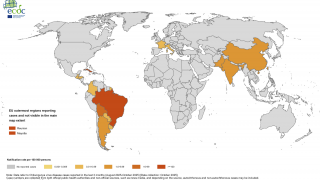
The European Centre for Disease Prevention and Control (ECDC) has reported a significant increase in travel-related cases of chikungunya virus disease among individuals returning from the Republic of the Seychelles, indicating an ongoing outbreak in this popular Indian Ocean destination.
Since November 2025 and as of March 13, 2026, over 110 travel-related cases have been documented across 13 EU/EEA countries among travelers returning from the Seychelles.
According to the ECDC report, this marks a notable rise compared to earlier months in 2025, with no cases linked to the Seychelles reported in previous years.
Local health authorities in the Seychelles have indicated that chikungunya is now more prevalent than other circulating arboviruses such as dengue or malaria.
Chikungunya is a viral illness primarily transmitted by Aedes mosquitoes, leading to symptoms such as high fever, severe joint pain, muscle pain, headache, nausea, fatigue, and rash. Although deaths from chikungunya are rare, the disease can cause debilitating long-term joint issues for some patients, and there is no person-to-person transmission, says the ECDC.
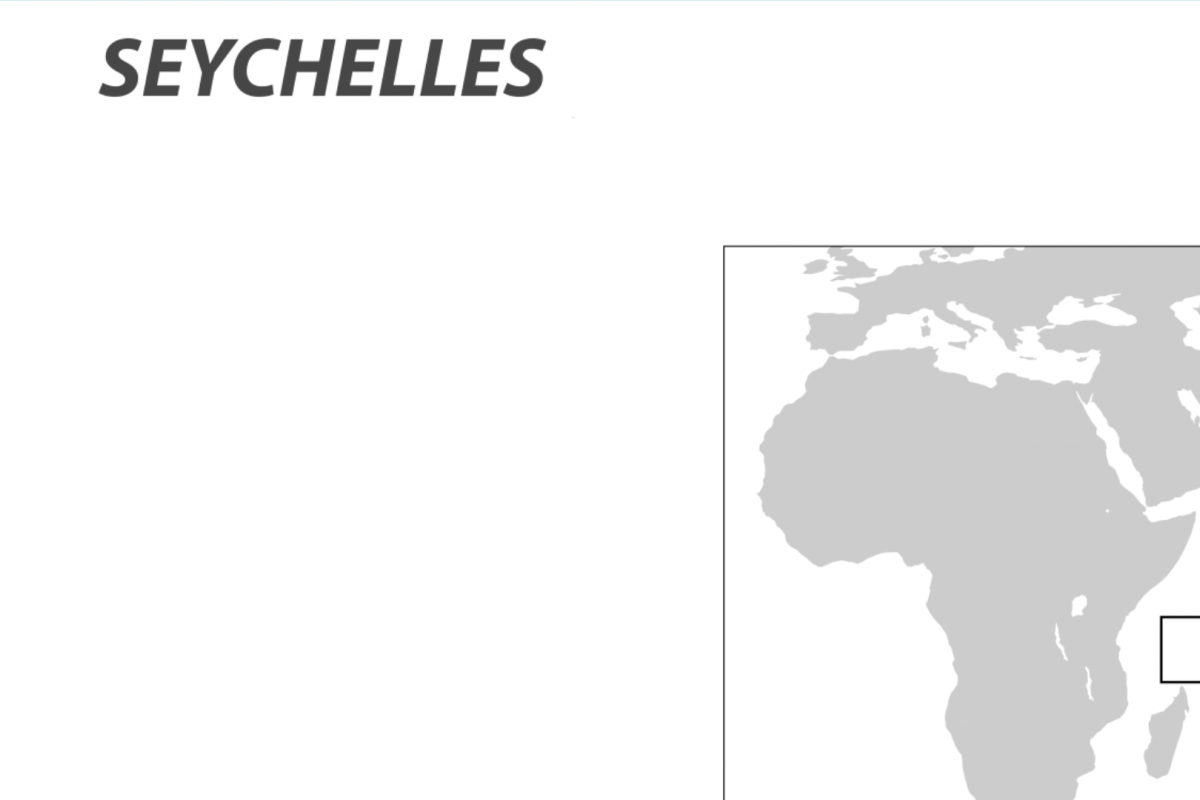
The Seychelles, a tropical island nation in the Indian Ocean located east of Africa, welcomed approximately 350,000 visitors last year.
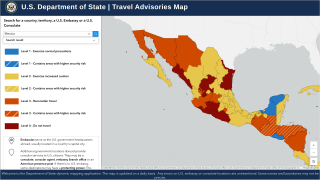
Currently, the U.S. Department of State maintains a Level 1 travel advisory for the Seychelles for 2026.
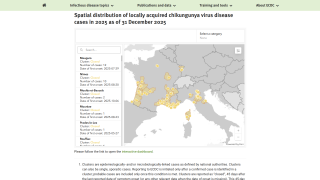
The emergence of chikungunya in the Seychelles aligns with a broader regional spread throughout the Indian Ocean, particularly following a major outbreak in the French overseas department of Réunion in 2025.
In response to these concerns, the U.S. Centers for Disease Control and Prevention (CDC) issued a Level 2 Travel Health Notice — "Practice Enhanced Precautions" — for chikungunya in the Seychelles on February 5, 2026.
The CDC confirms an active outbreak in the country and emphasizes that protecting against mosquito bites is the primary line of defense. Additionally, if you are pregnant, reconsider travel to the affected areas, particularly if you are close to delivering your baby.
In the United States, Florida continues to report chikungunya cases.
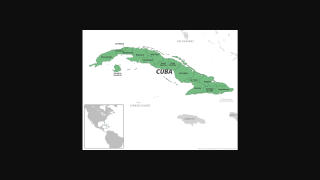
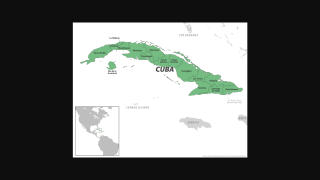
This year, 21 cases of travel-related chikungunya fever have been reported among persons who traveled internationally. In 2025, 328 travel-related chikungunya cases, most from people who had visited Cuba.
While no specific antiviral treatment is available for chikungunya, supportive care can help manage symptoms, and approved vaccines became available in 2026.
International travelers are advised to consult healthcare providers or travel vaccine clinics before departure for personalized advice, including vaccination eligibility.
Our Trust Standards: Medical Advisory Committee