France's Indian Ocean Department Confirms Chikungunya Outbreak in 2026
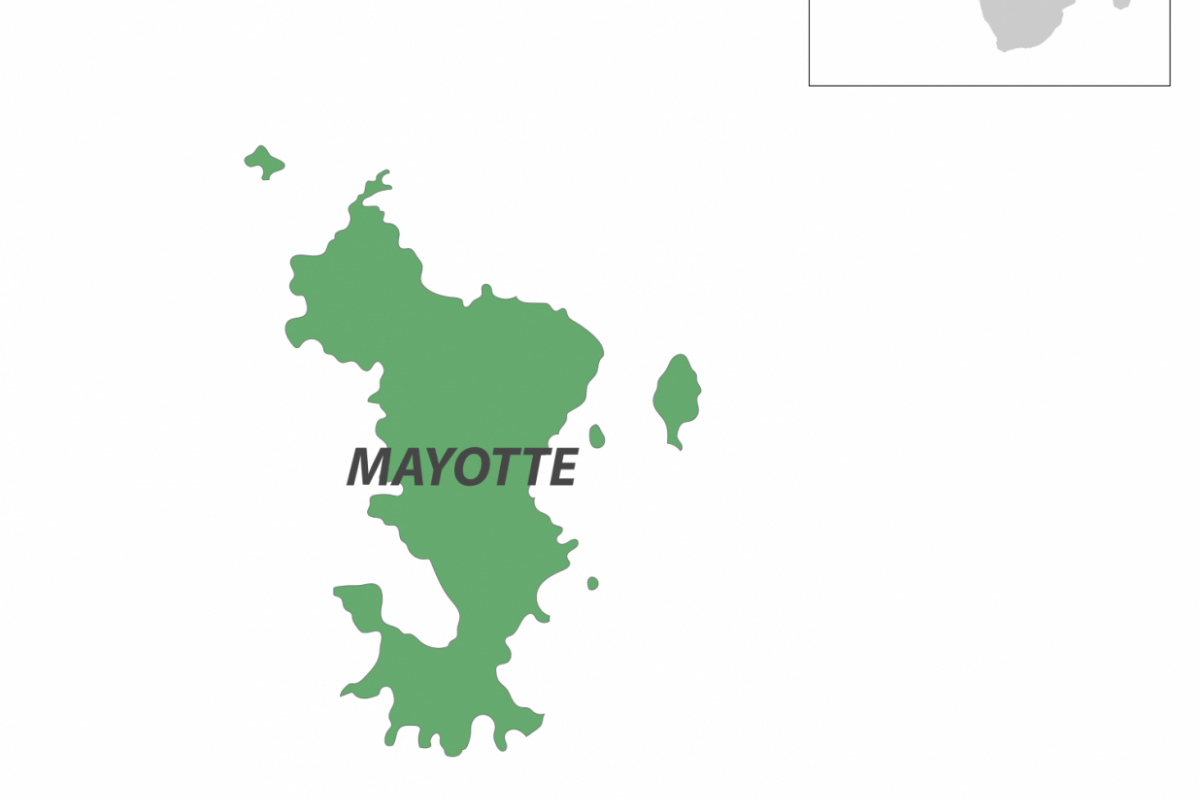
French health authorities are reporting a significant increase in cases of chikungunya virus disease in Mayotte, an overseas department in the Indian Ocean. Since the beginning of 2026, more than 270 confirmed cases have been recorded.
This surge indicates a concerning resurgence of the mosquito-borne illness on the island, following a major outbreak in 2025 that affected thousands across the Indian Ocean region, including neighboring departments such as La Réunion.
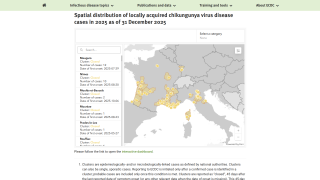
According to the French Regional Health Agency, Mayotte reported approximately 1,270 cases last year, primarily in Grande-Terre. Surveillance data from Santé Publique France and the European Centre for Disease Prevention and Control (ECDC) show that the weekly average of cases in the last two weeks of February 2026 was around 65.
Most chikungunya cases are believed to be locally transmitted, influenced by favorable conditions for the Aedes mosquito vectors during the current rainy season, which typically supports higher mosquito populations and the spread of the virus until about April.
As of March 11, 2026, the ECDC has assessed the risk of chikungunya infection for travelers to Mayotte as moderate. In its recent Communicable Disease Threats Report, the agency highlighted the ongoing circulation of the virus and recommended enhanced preventive measures.
"Travelers should be advised to take enhanced measures to prevent mosquito bites."
ECDC recommendations include using insect repellents containing DEET or other approved ingredients, wearing long-sleeved clothing and long pants, and sleeping under insecticide-treated bed nets, especially during daytime hours when Aedes mosquitoes are most active.
Santé Publique France indicated that the outbreak is expected to continue in the coming months unless conditions change significantly. Travelers planning visits to Mayotte are encouraged to consult travel health clinics. In 2025, Santé Publique France reported about 800 locally acquired chikungunya cases on the mainland.
The U.S. CDC, which issued a Level 2 – Practice Enhanced Precautions Notice on March 10, 2026, continues to monitor the situation closely and will update guidance as needed to protect both residents and the expected 75,000 visitors from this preventable but debilitating disease.
The CDC writes, "If you are pregnant, reconsider travel to the affected areas, particularly if you are close to delivering your baby. Mothers infected around the time of delivery can pass the virus to their baby before or during delivery. Newborns infected in this way or by a mosquito bite are at risk for severe illness."
Both the ECDC and CDC say vaccination against chikungunya may be recommended for travelers based on national guidelines and individual risk assessments. In some countries, such as the United States, vaccines are available for at-risk groups.
Our Trust Standards: Medical Advisory Committee