Can Southeast Florida Eliminate Disease-Carrying Mosquitoes
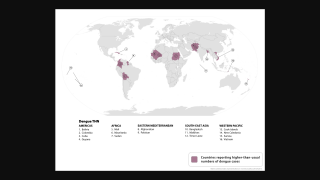
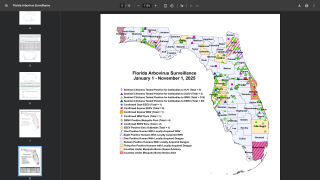
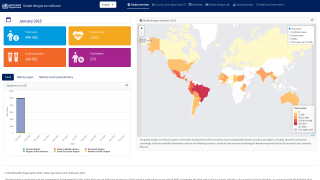
The Florida Department of Health (FDH) published its Arbovirus Surveillance update #23, disclosing that mosquito-borne diseases, such as Dengue, continue to be detected in international travelers and Floridians.
On June 7, 2025, FDH reported 88 cases of Dengue fever among individuals who had traveled internationally, with 40 cases from Cuba.
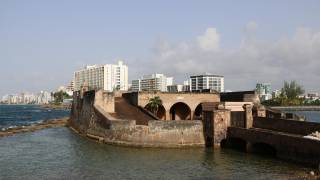
Last year, Florida reported 1,016 travel-associated dengue cases, primarily among travelers from Brazil, Cuba (567), and Puerto Rico.
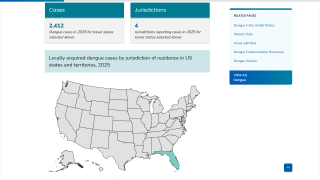
So far in 2025, one locally acquired dengue case (DEN-3) has been reported in Miami-Dade County. In 2024, 91 locally acquired dengue cases were reported from ten counties, with Miami-Dade leading the way with 50 cases.
Since the state of Florida has identified 14 mosquito species as vectors of infectious diseases that can transmit to humans, one country has recently taken action to protect its residents by reducing the population of mosquitoes and their habitats.
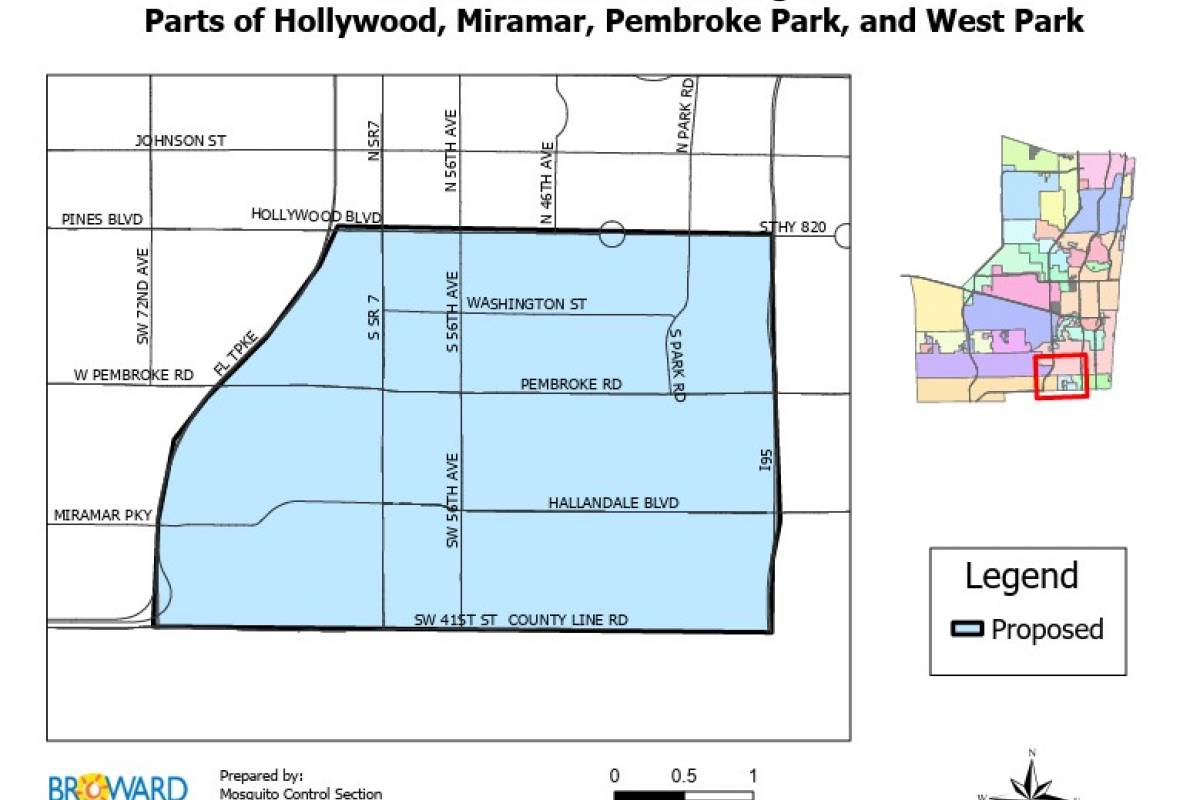
On May 1, 2025, Broward County's Mosquito Control Section announced it began spraying larvicide in areas of Hollywood, Miramar, Pembroke Park, and West Park as a proactive measure to kill the larvae of Aedes aegypti and Aedes albopictus mosquitoes, known to potentially spread diseases such as Dengue, yellow fever, and chikungunya.
According to the County, the larvicide, VectoBac WDG, is not harmful to humans, pets, bees, aquatic habitats, or environmentally sensitive areas. The active ingredient is Bacillus thuringiensis israelensis (Bti, strain AM6552), a naturally occurring, biodegradable bacterial mosquito larvicide.
While this area of Broward County is limited, and local cases of Dengue and malaria have been detected in other Florida counties, this effort is a good step in reducing the number of preventable diseases in 2025.
Our Trust Standards: Medical Advisory Committee